


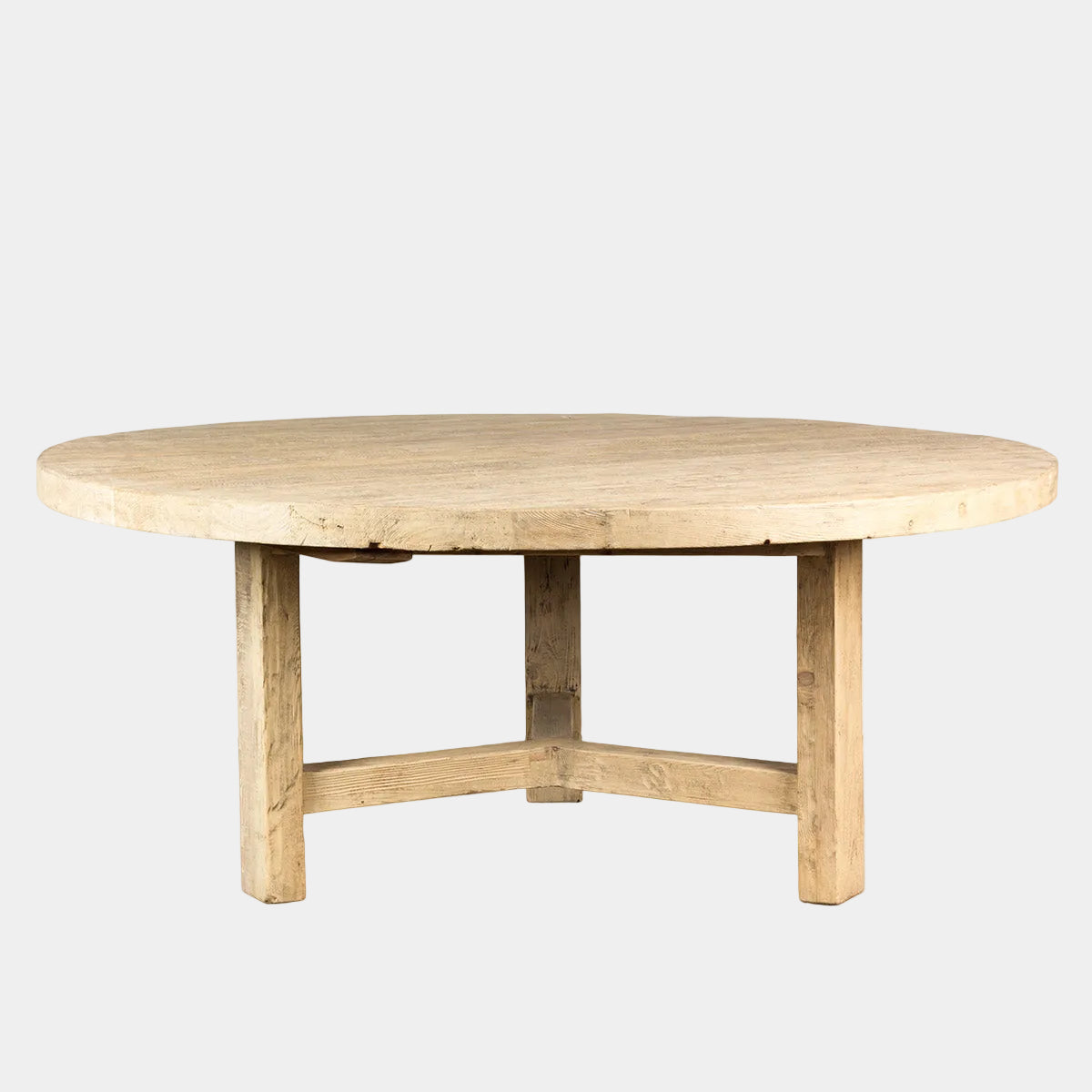
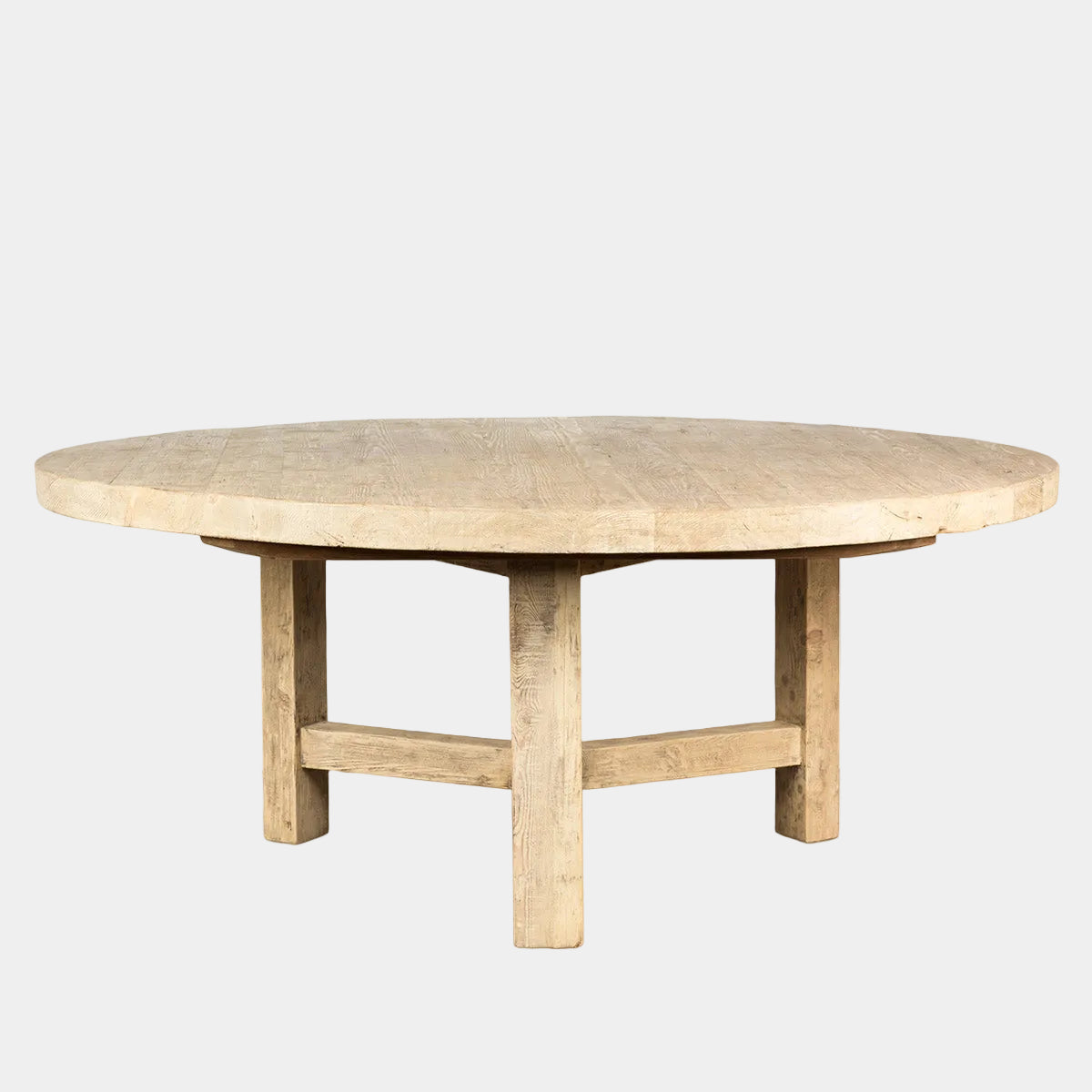
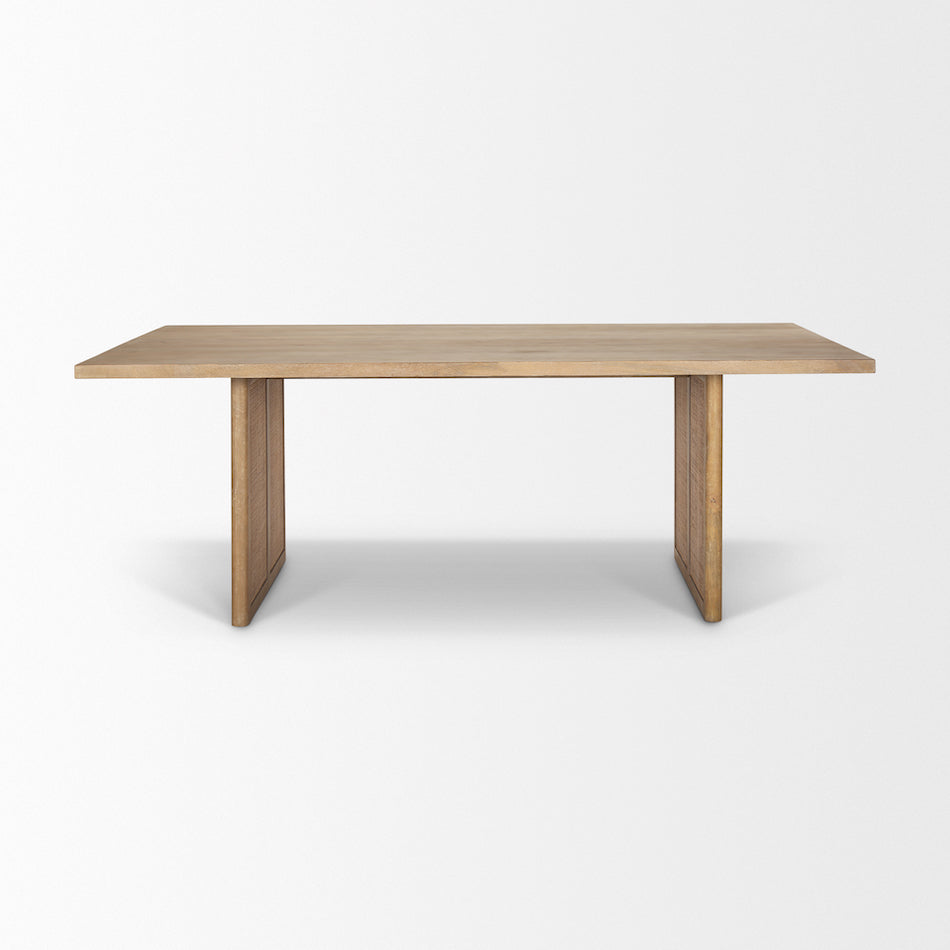
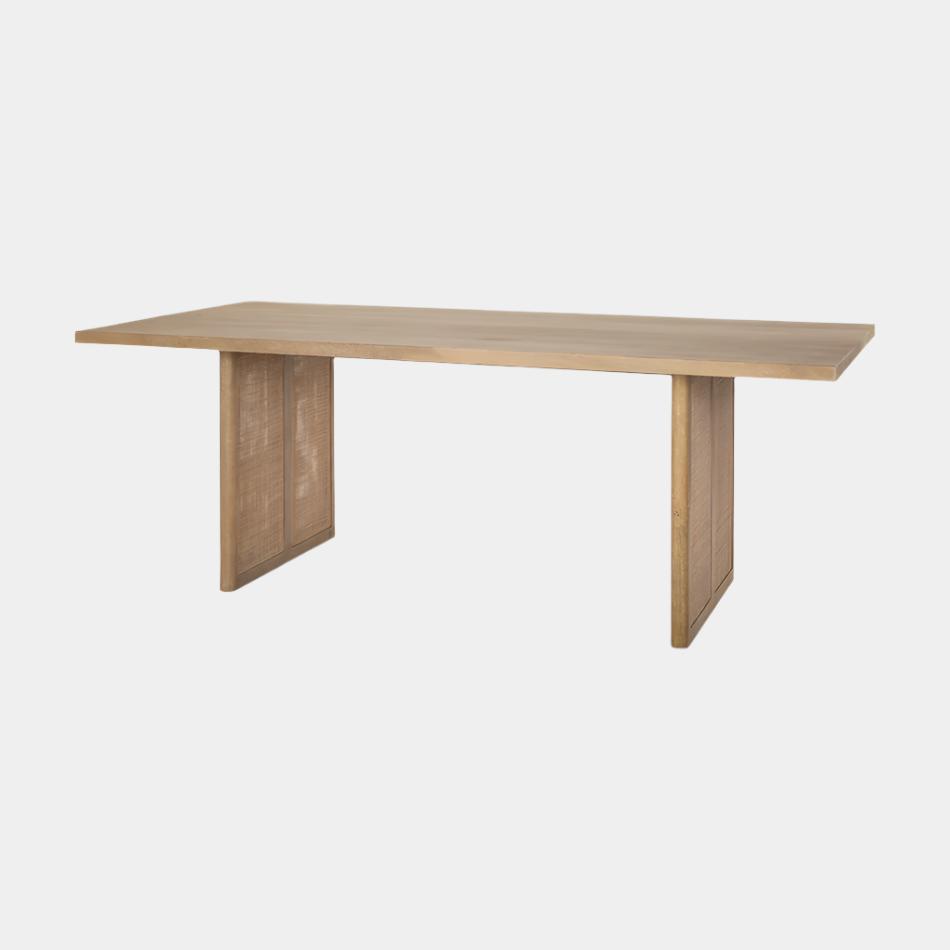
Japandi Dining Tables
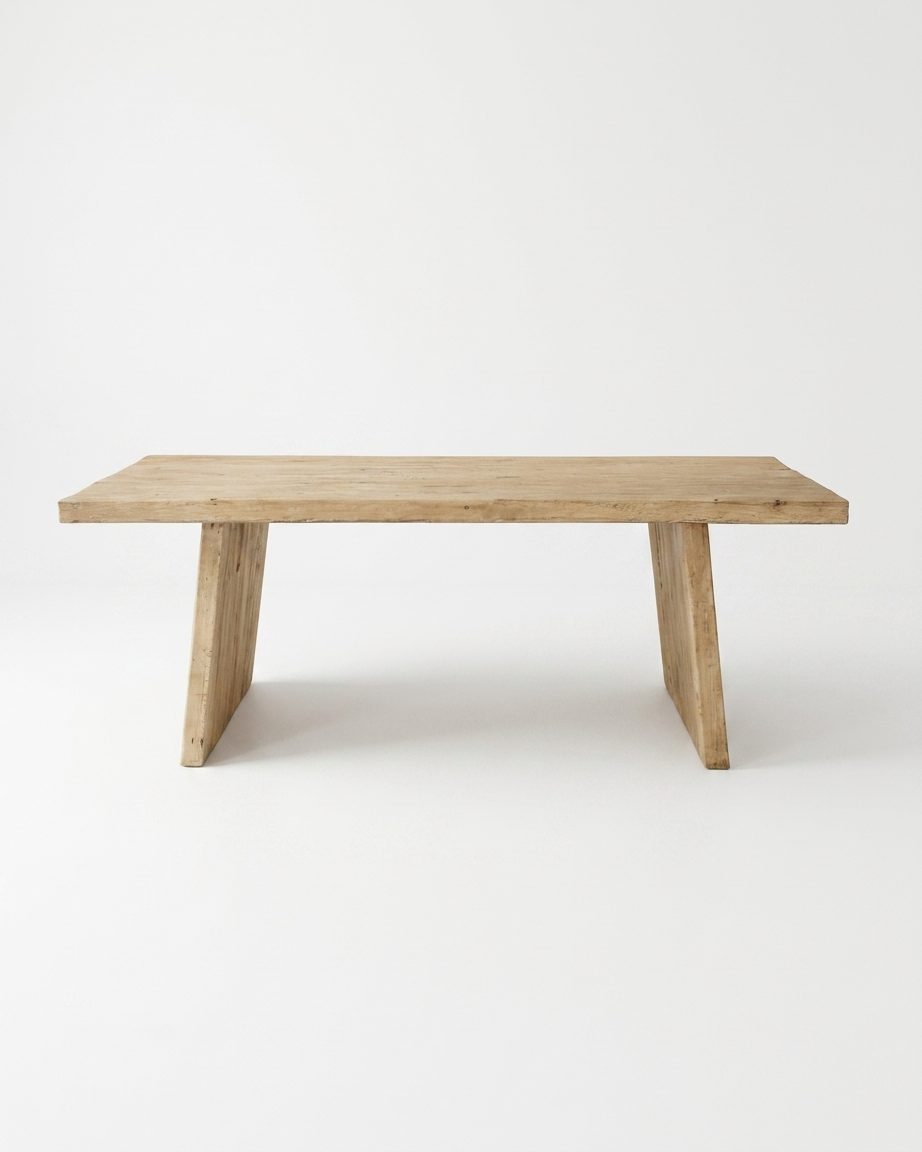
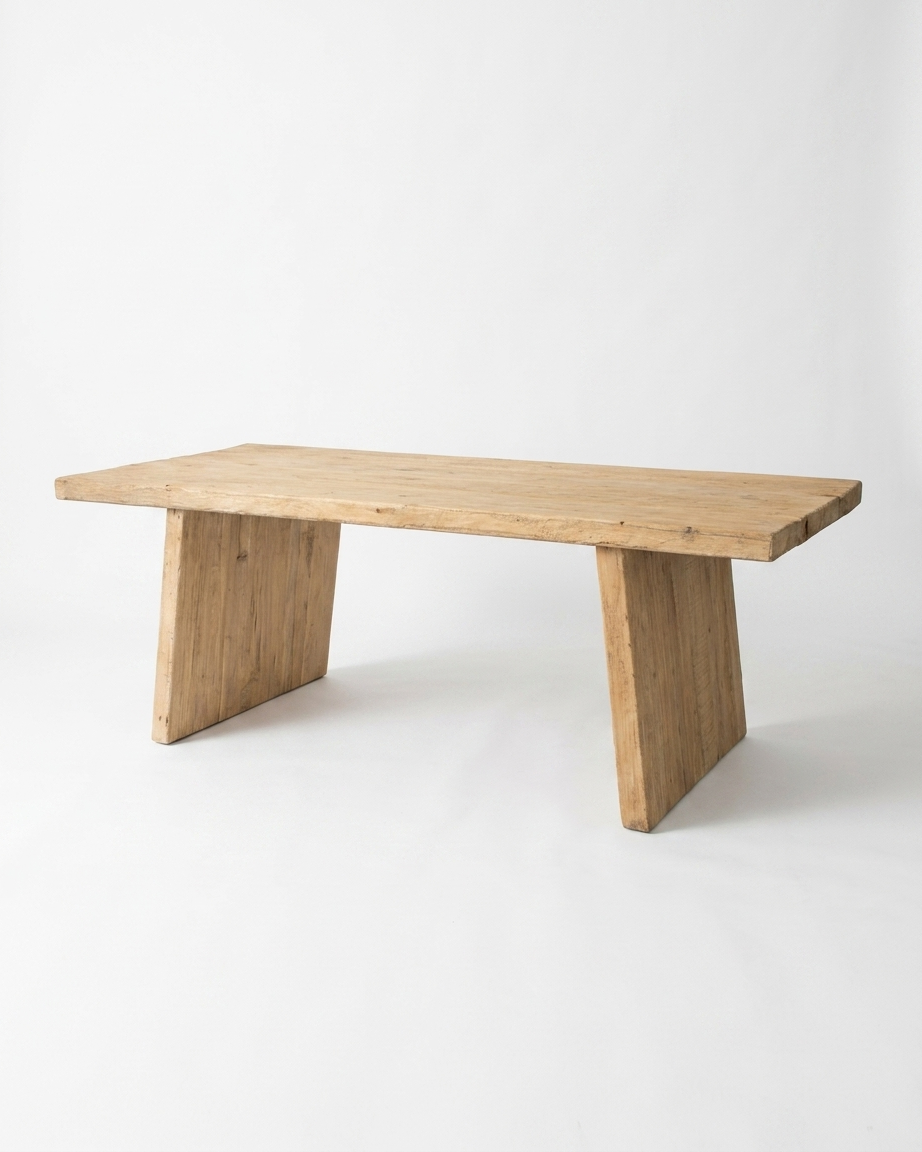
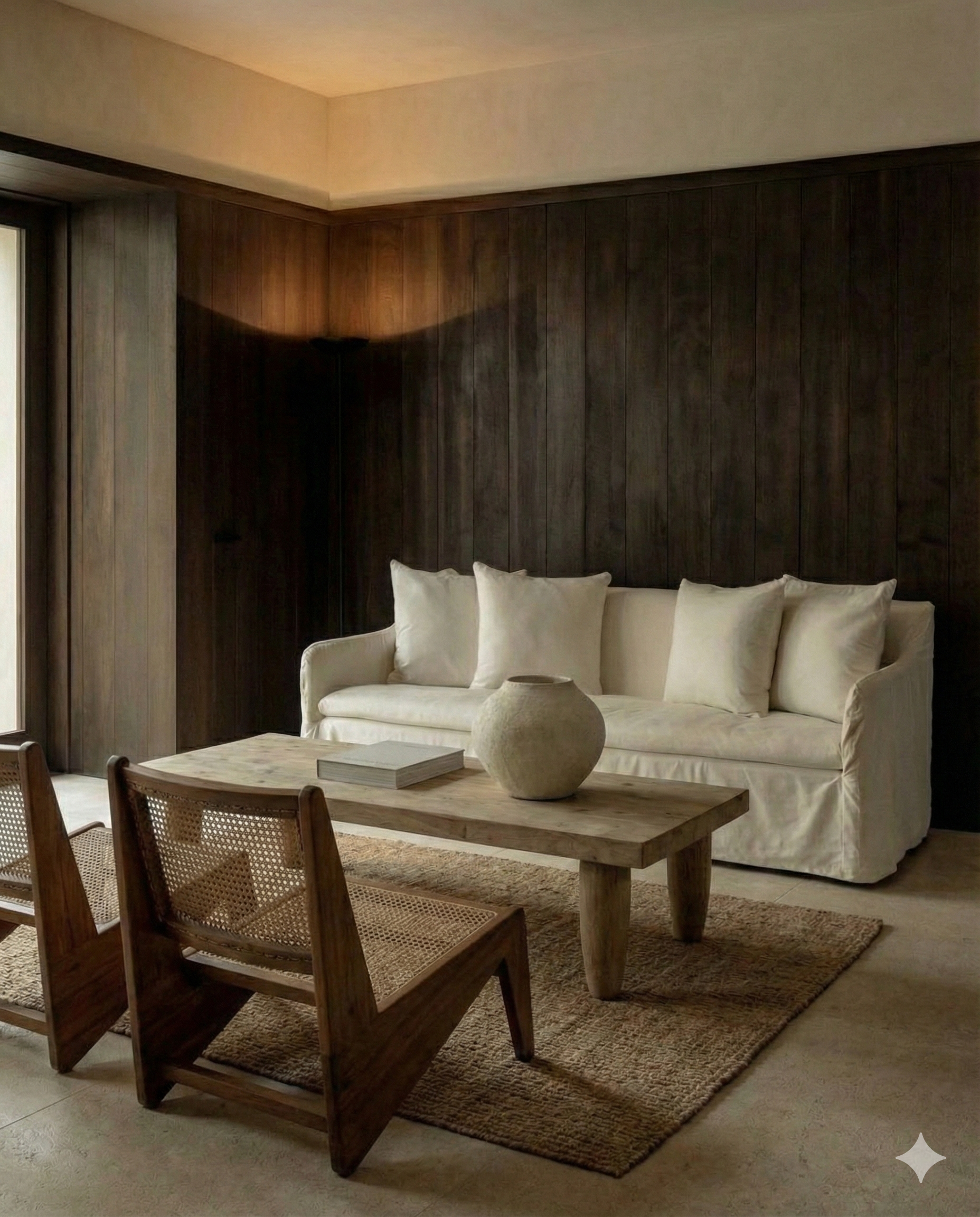
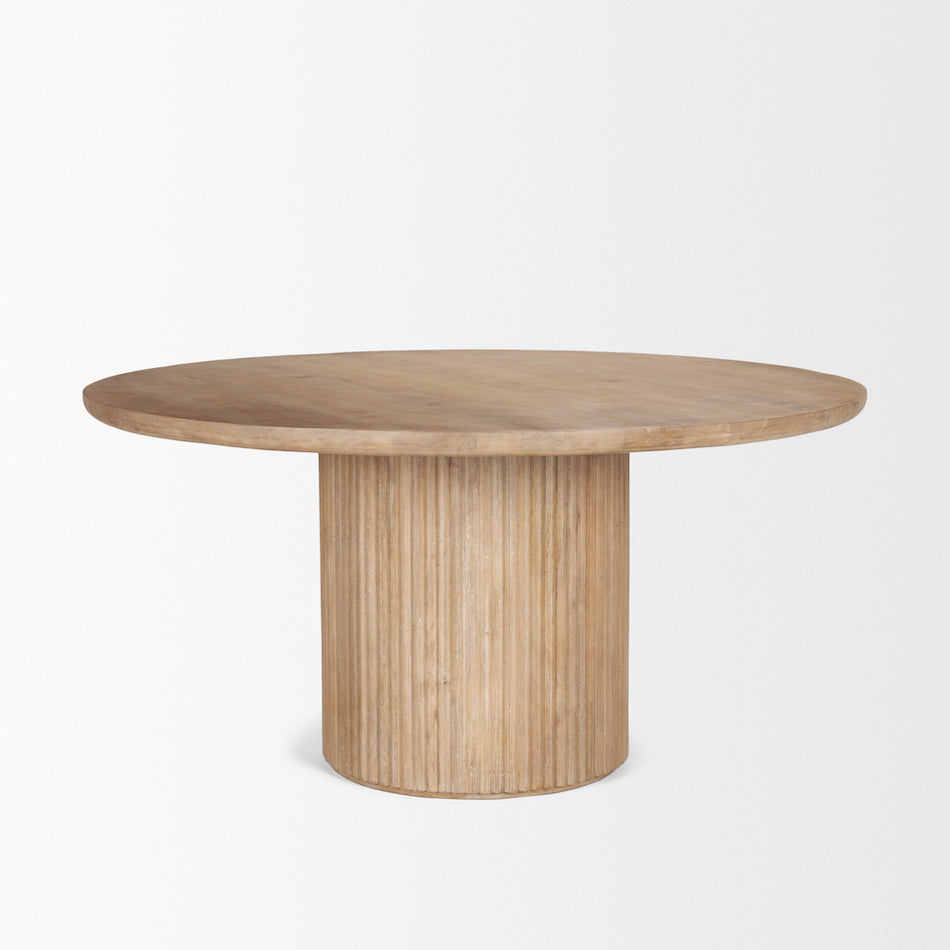
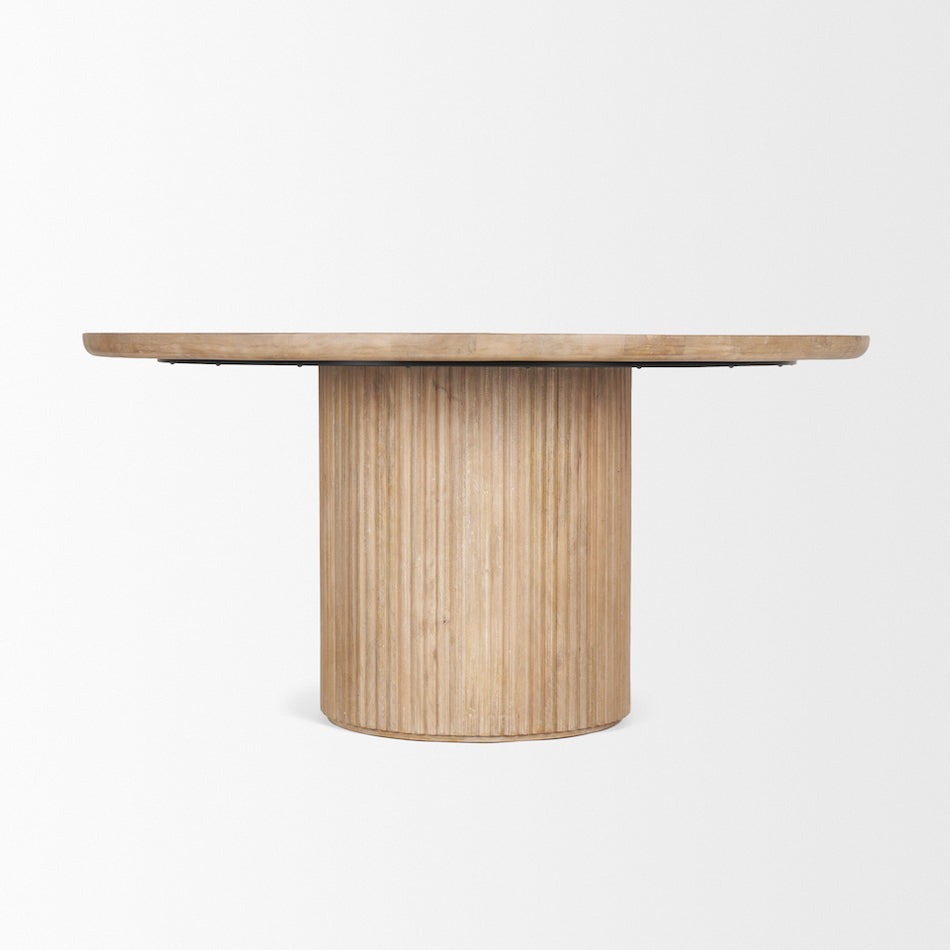
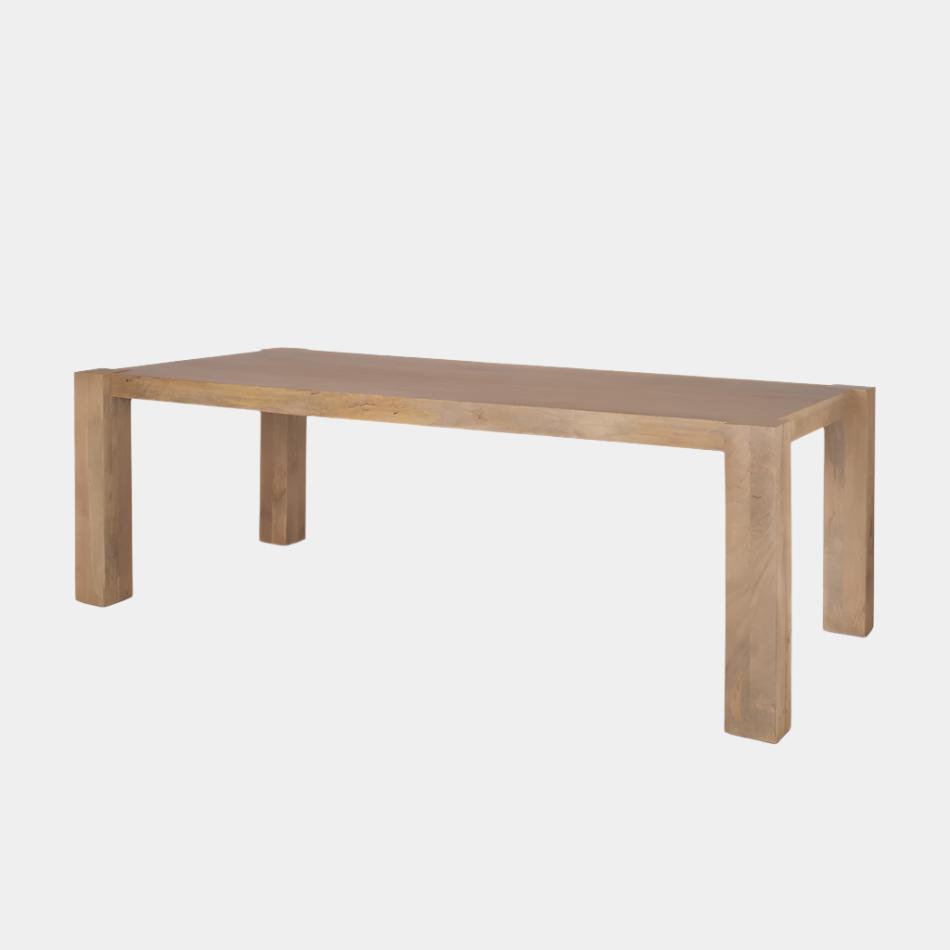
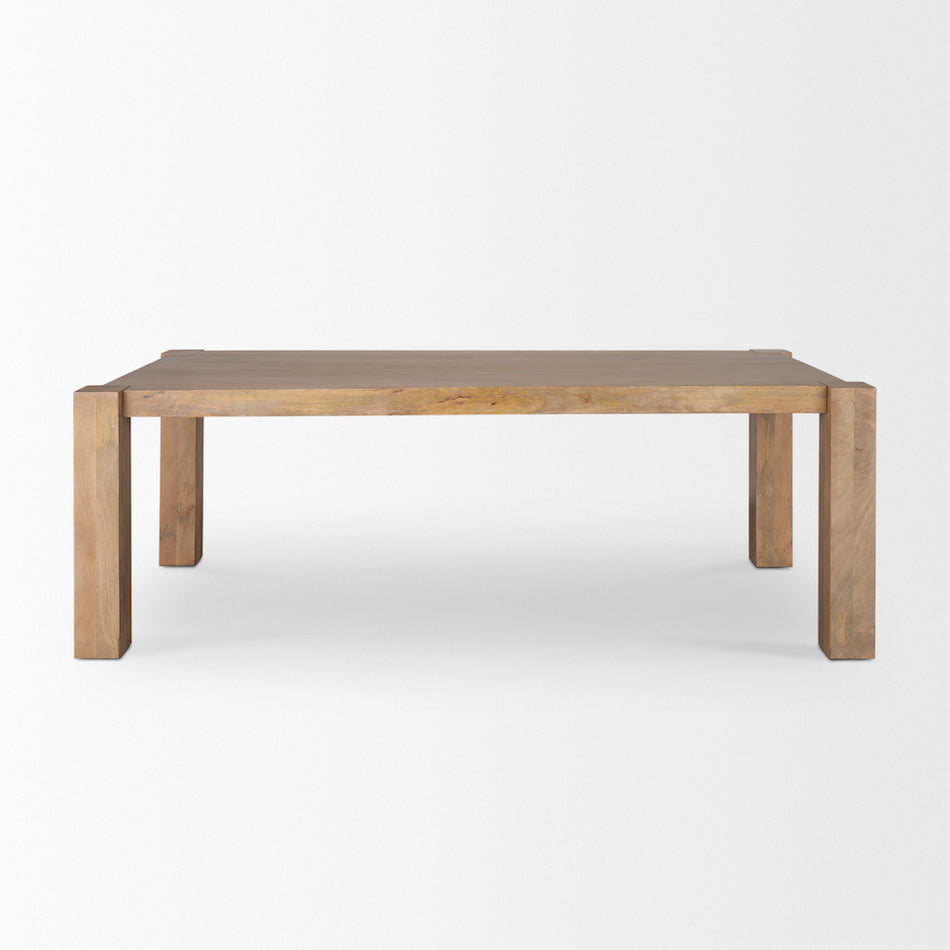
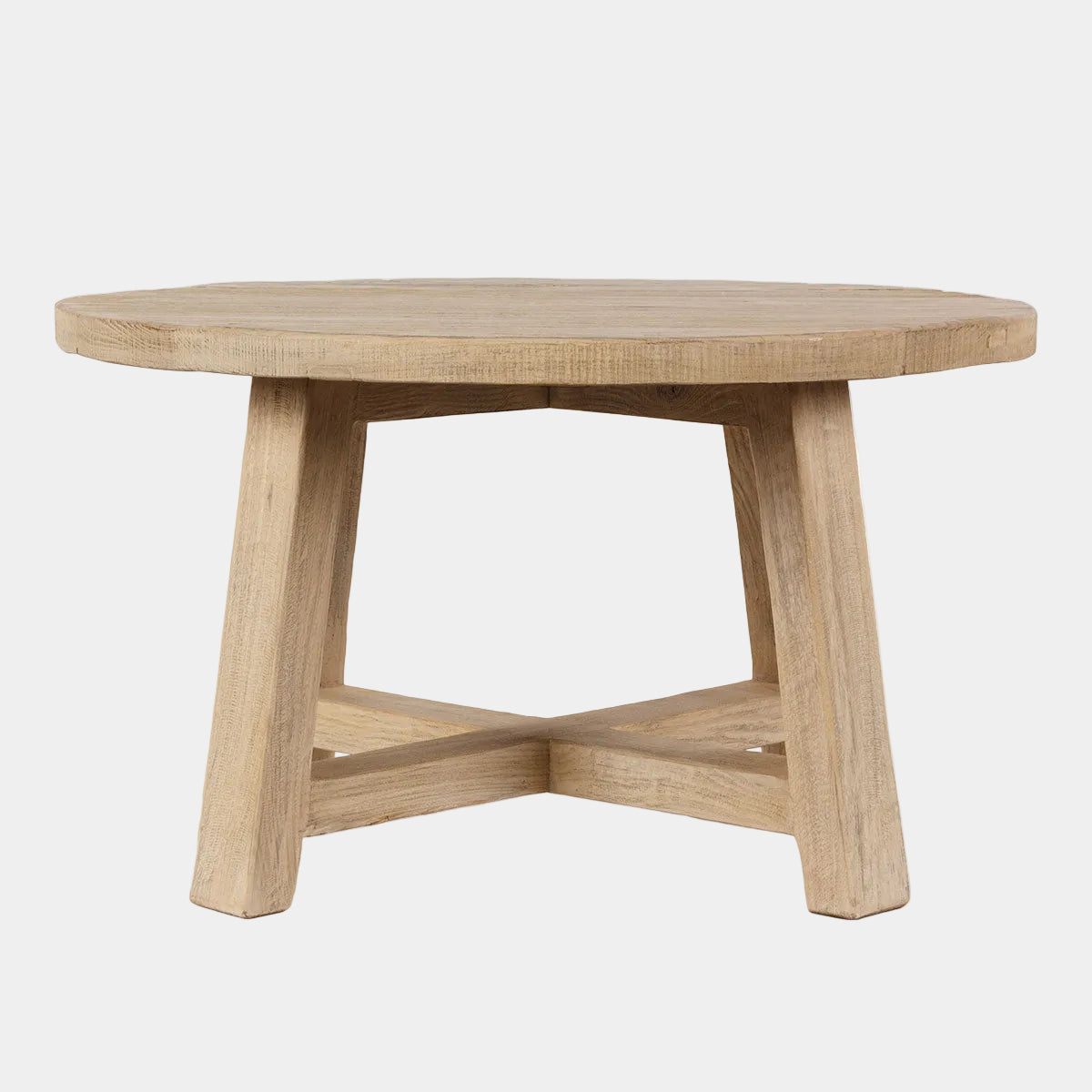
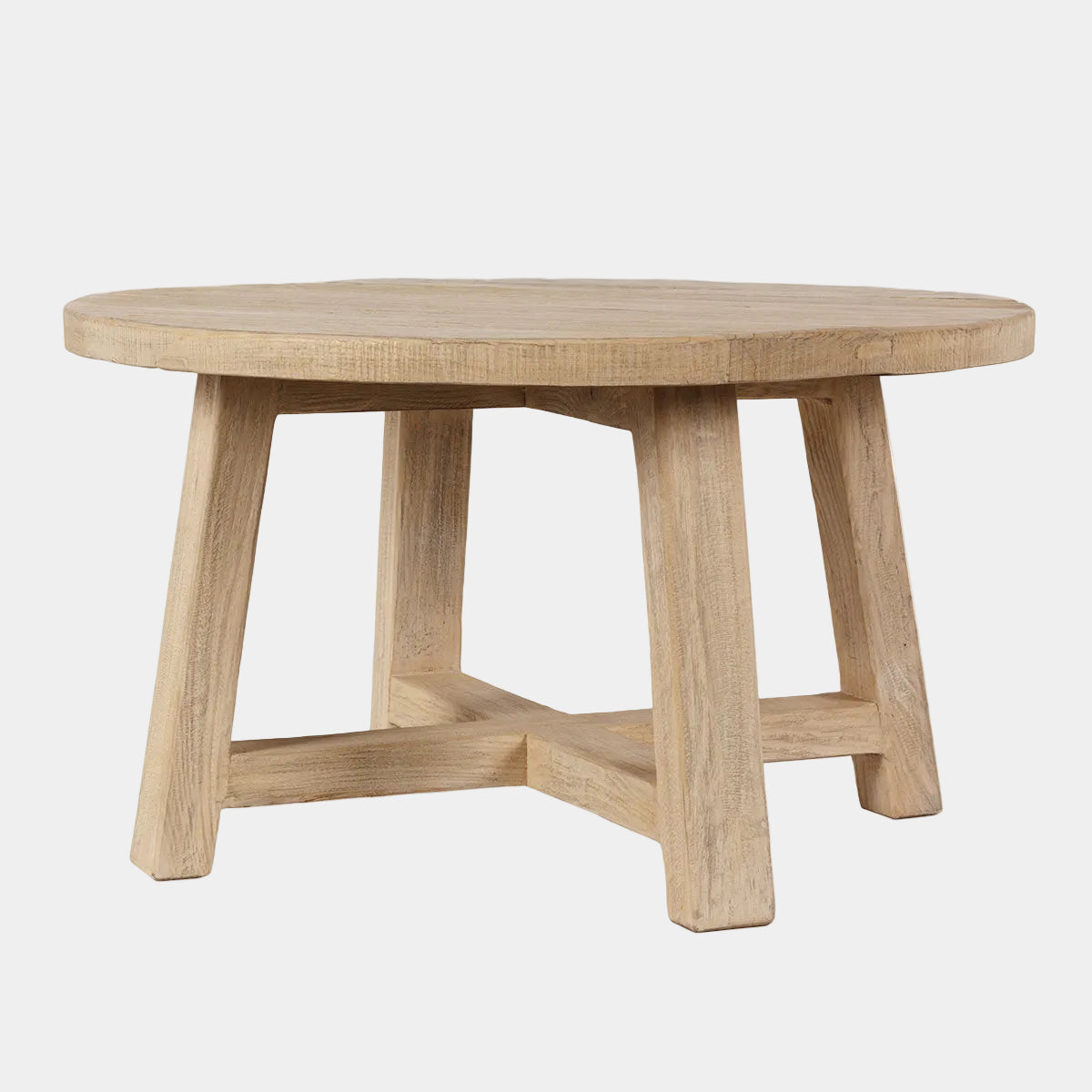
Explore our stunning Japandi dining table collection, a perfect blend of Japanese minimalism and Scandinavian elegance. Designed for modern, tranquil interiors, these tables feature clean lines and natural materials.
Enjoy soothing color tones like light oak, ash, and soft walnut, enhancing the peaceful ambiance of your dining area. Each table embodies simplicity and sophistication, offering timeless beauty and exceptional craftsmanship.
Whether you seek a minimalist dining table or a Scandinavian-Japanese style table, our collection will elevate your dining space with serene and stylish charm.
FAQ
What makes a dining table Japandi?
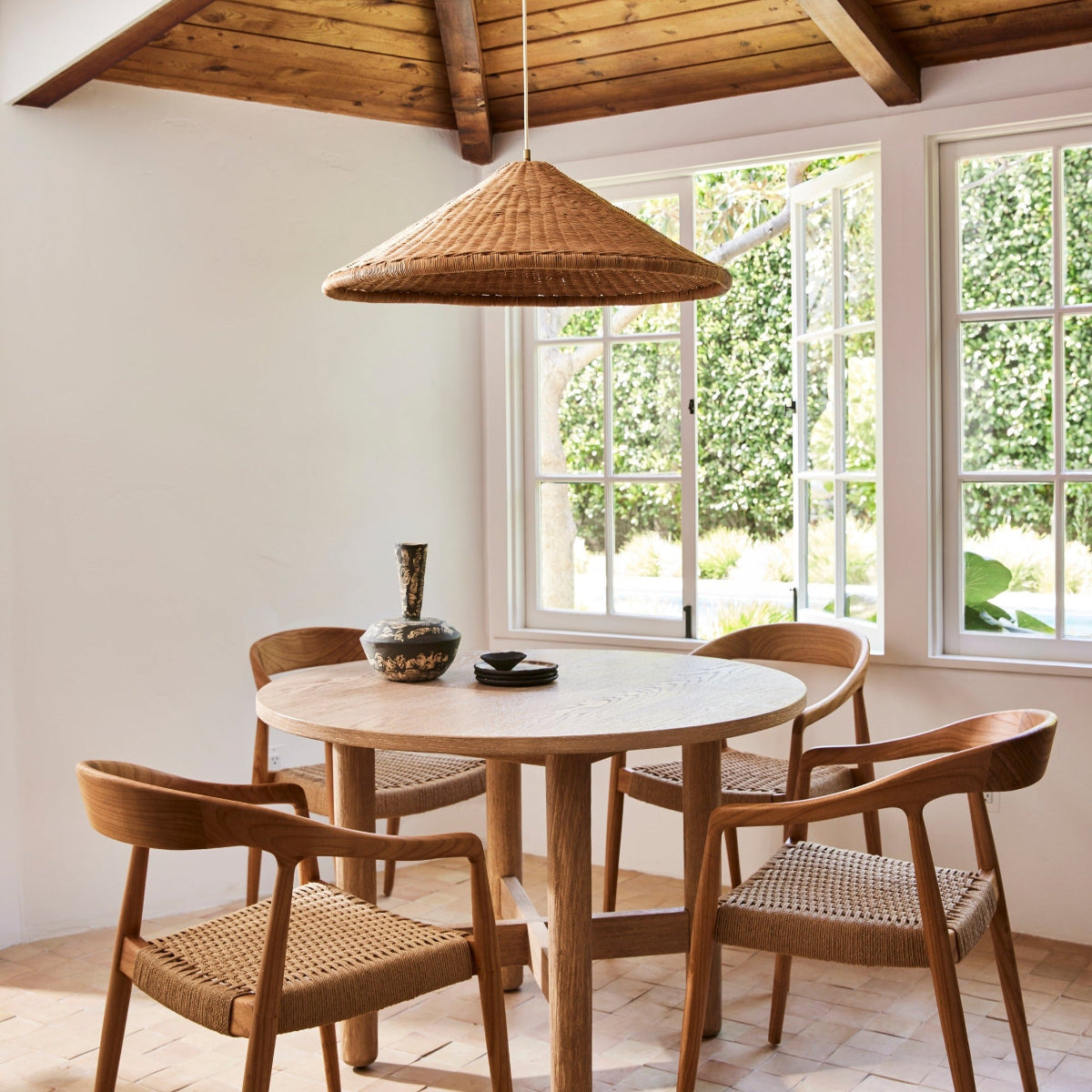
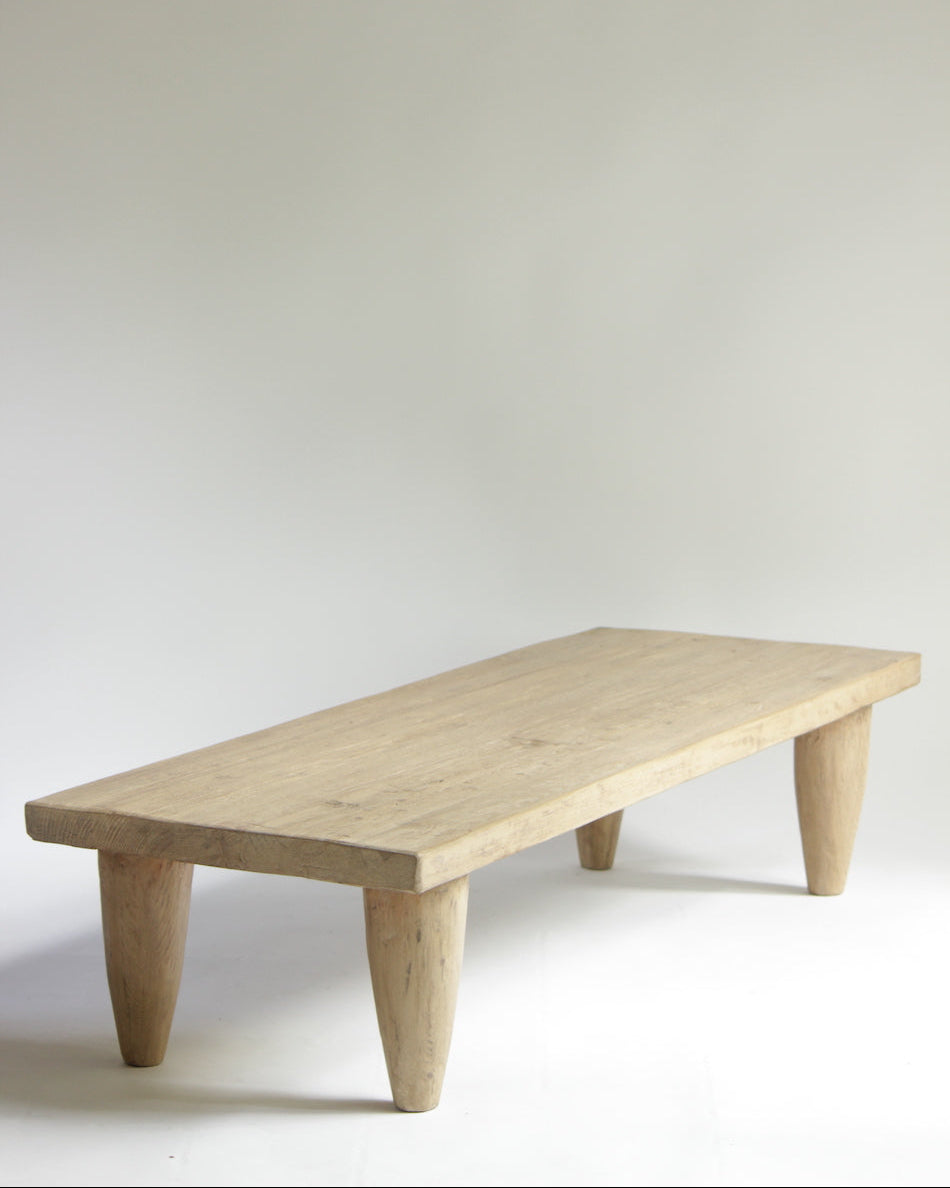
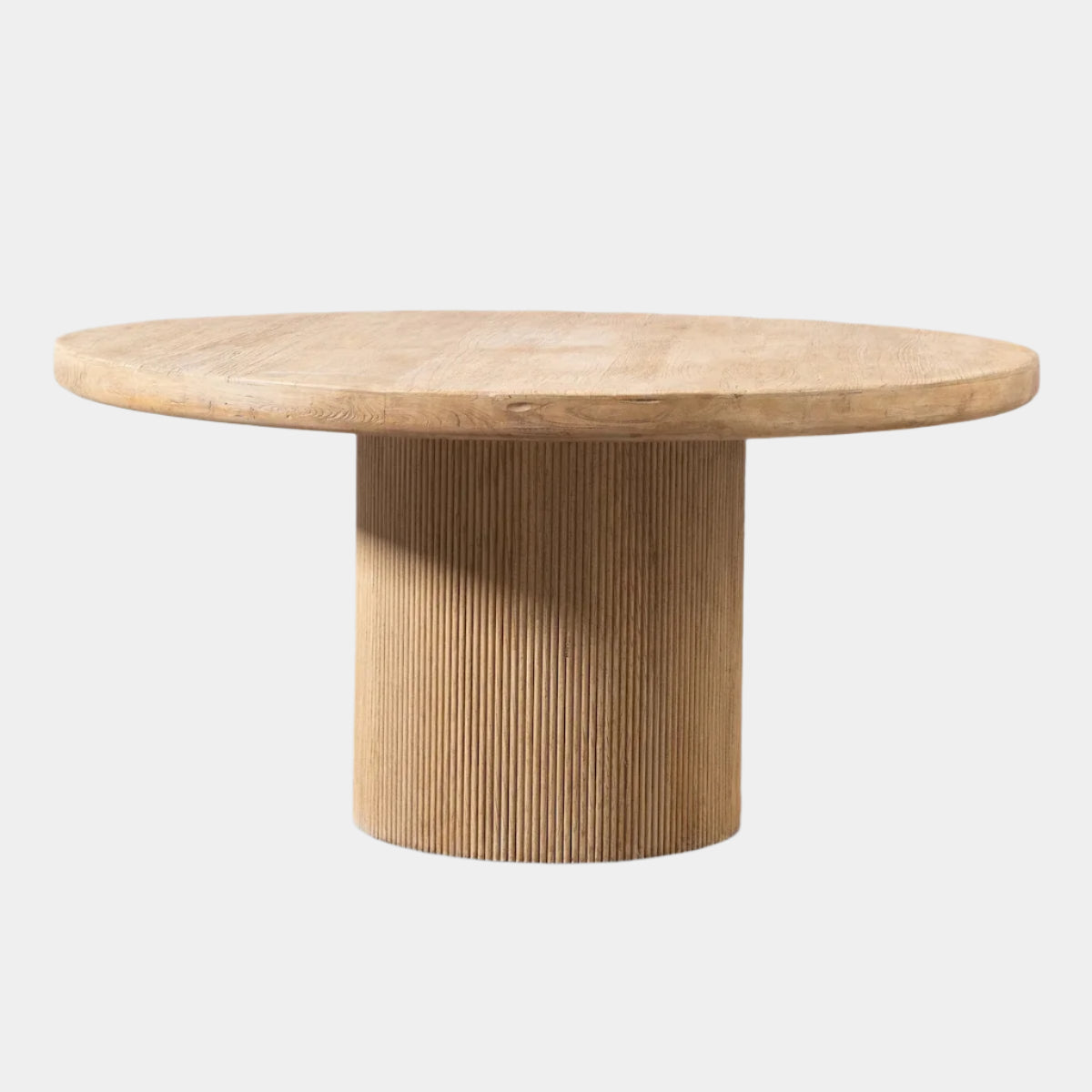
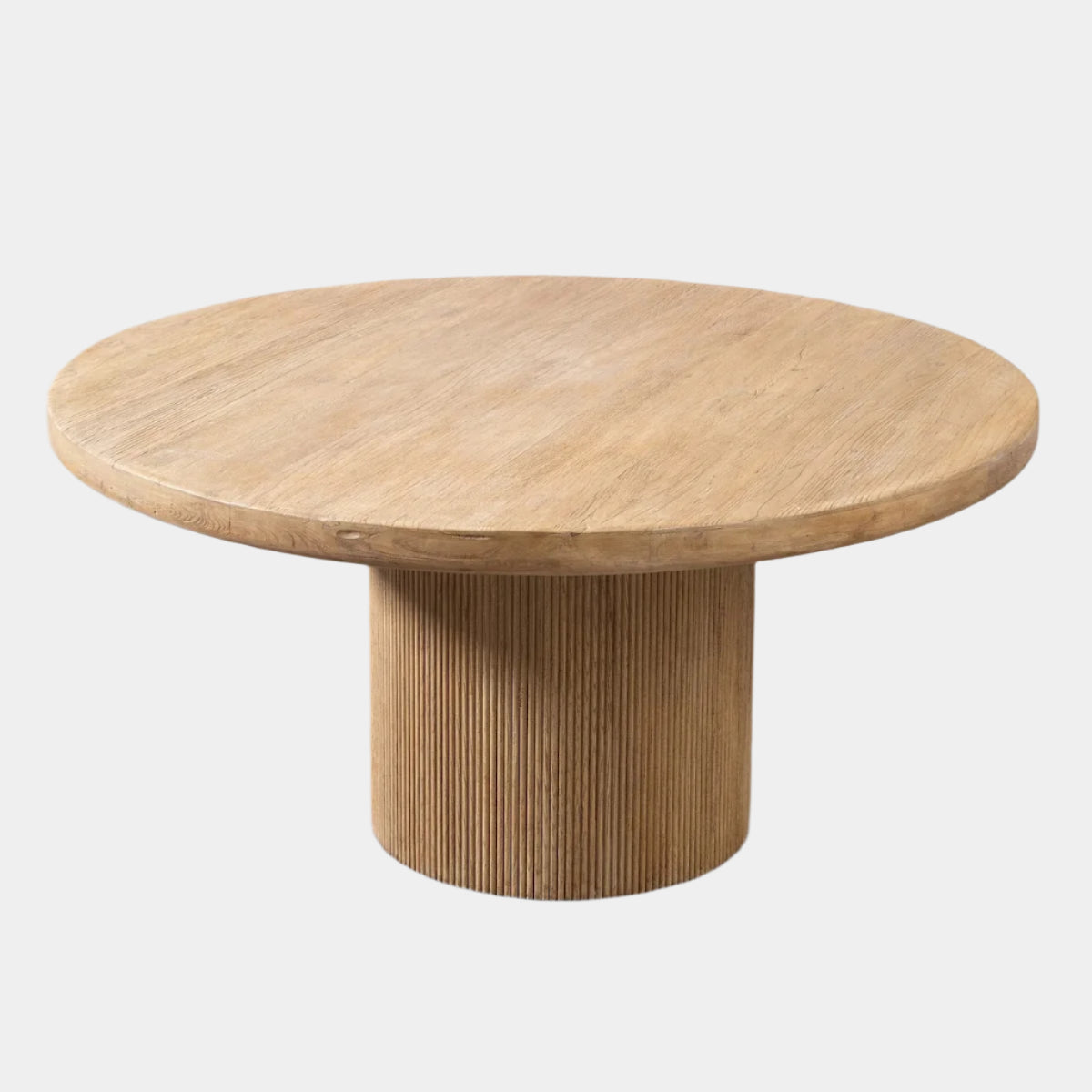
A Japandi dining table borrows the restraint of Japanese design and the warmth of Scandinavian living. In practice that means a simple silhouette with no carving or heavy ornament, natural wood with the grain left visible, and a muted, earthy finish. Thick tops, solid legs or slab bases and soft, slightly rounded edges are common. The table is meant to feel calm and grounded, so the material does the decorating rather than the details.
What size dining table do I need for 4, 6 or 8 people?
Plan on about 24" of table edge per person. A 48" round seats 4 comfortably and works well in kitchens and smaller dining rooms. A 60" round seats 6 and keeps everyone in the same conversation. For rectangular tables, an 87" top seats 6 to 8, and a 110" top seats 8 to 10. Leave at least 36" between the table edge and the nearest wall or furniture so chairs can pull out easily.
Round or rectangular, which works better in a Japandi dining room?
Both fit the style. A round table softens a room full of straight lines, takes up less visual space and suits square rooms, breakfast nooks and open-plan kitchens. A long rectangular table reads more architectural and is the better choice if you host often or have a narrow dining room. If your space allows, a good rule is to echo the shape of the room, round for square spaces and rectangular for long ones.
Which wood works best for a Japandi dining table?
Elm, oak and ash are the classic choices. Oak and ash tend to read lighter and more Scandinavian. Elm has a stronger, more expressive grain and a warmer tone, which leans toward the softer, wabi-sabi side of Japandi. Reclaimed elm adds another layer, with knots, color variation and natural character marks that make every table one of a kind.
How do I care for a solid or reclaimed elm dining table?
Wipe the surface with a soft, slightly damp cloth and dry it right away. Avoid harsh cleaners, and use coasters and placemats under hot dishes and glasses. Keep the table out of direct sun and away from heating vents, since big swings in temperature and humidity make any solid wood move. Reclaimed elm can show small surface cracks or natural fissures over time. These are part of the wood's character and don't affect the table's strength.