
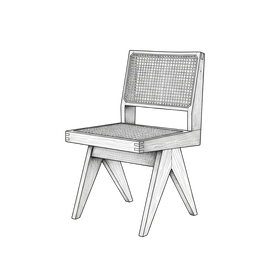
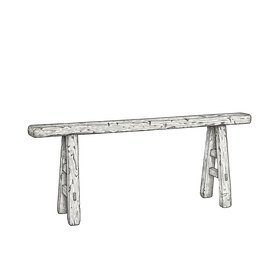
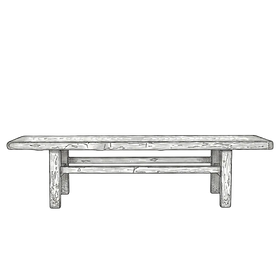
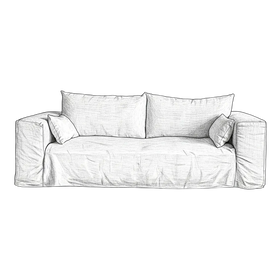











Japandi Furniture
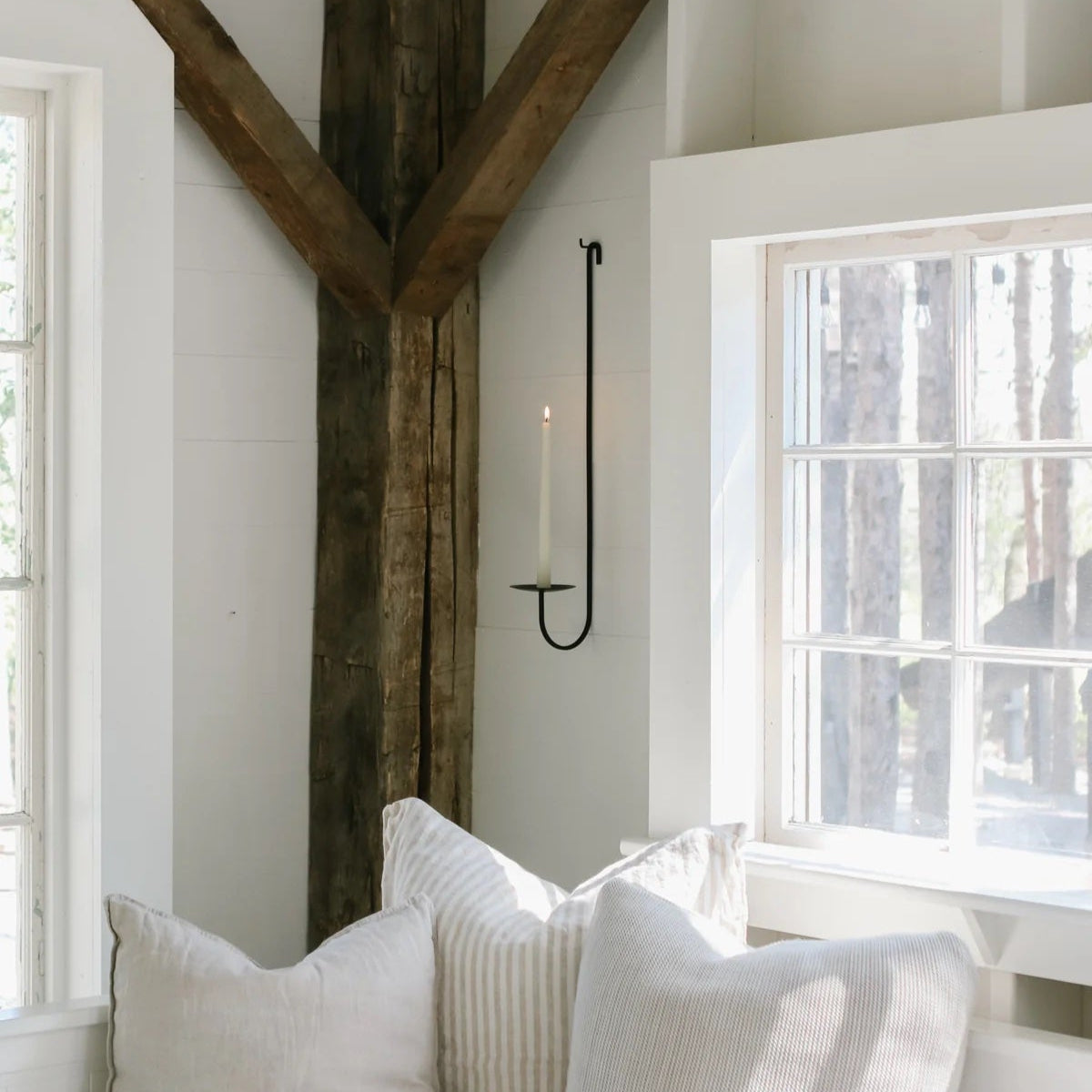
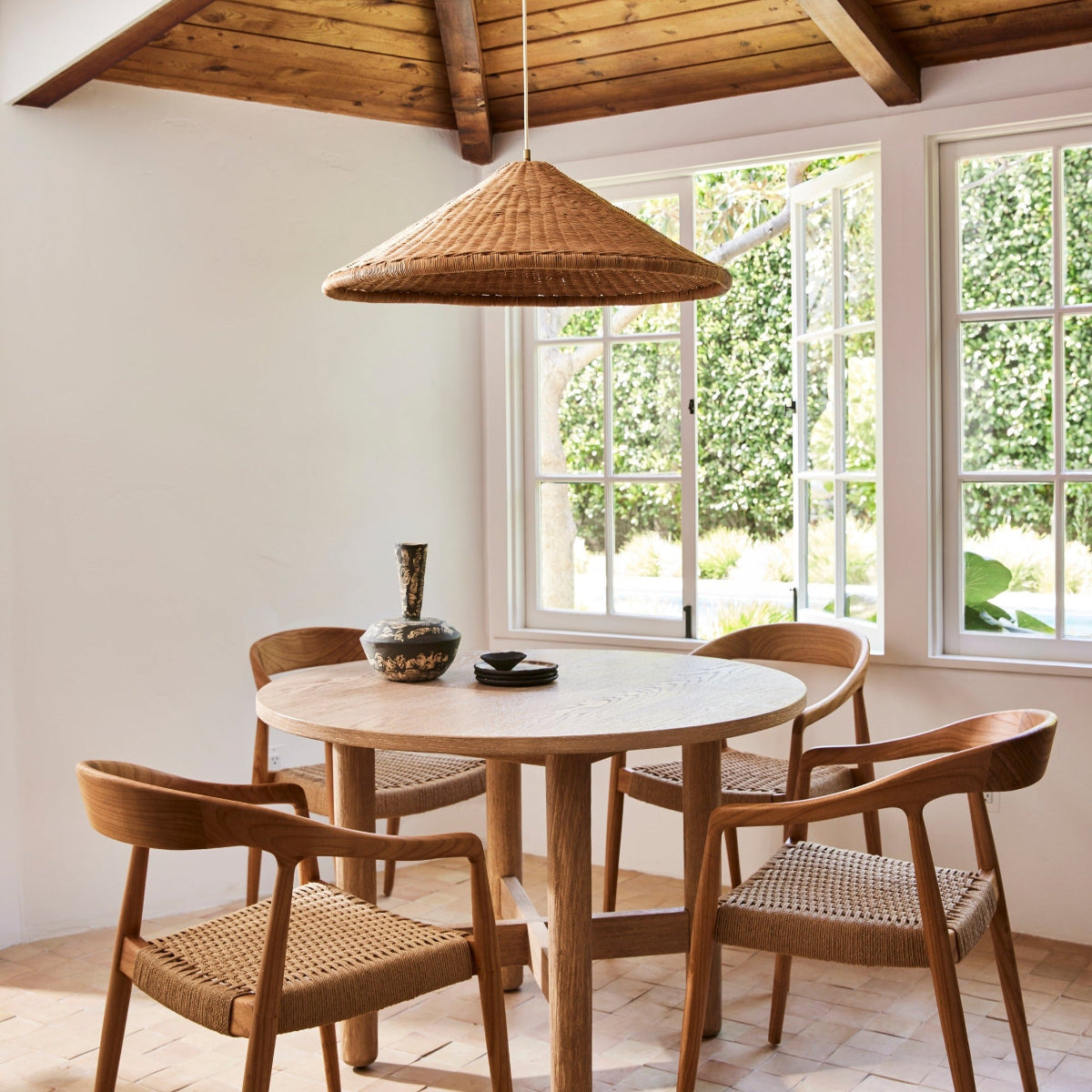
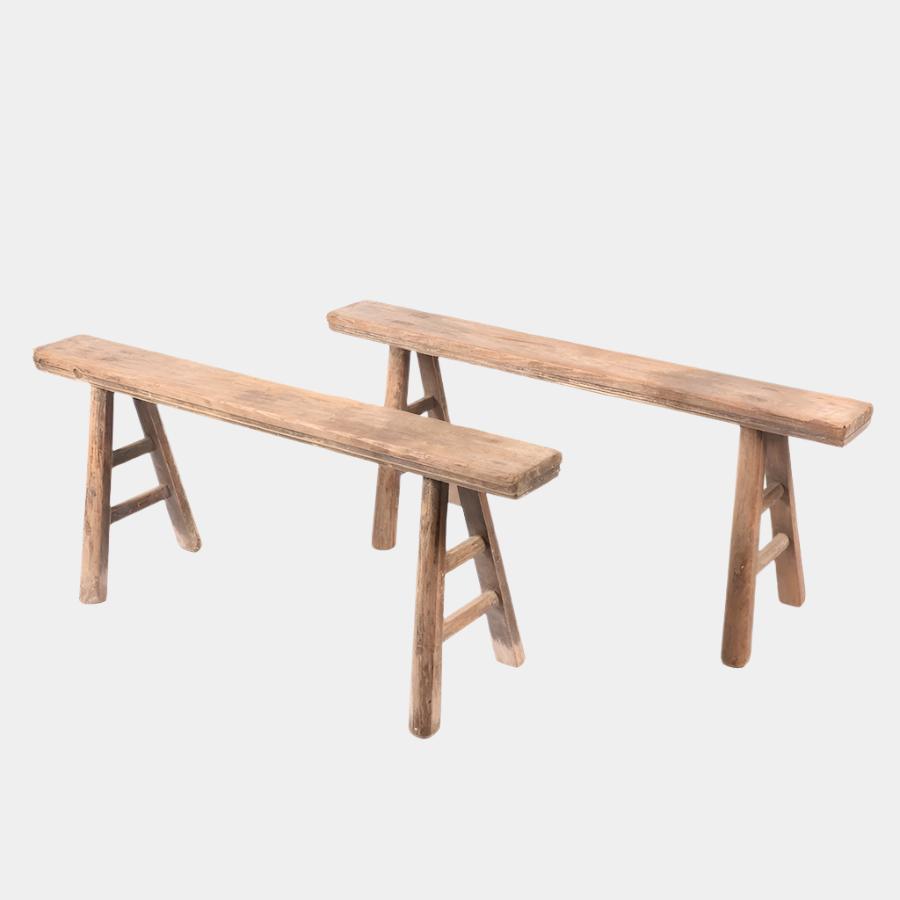
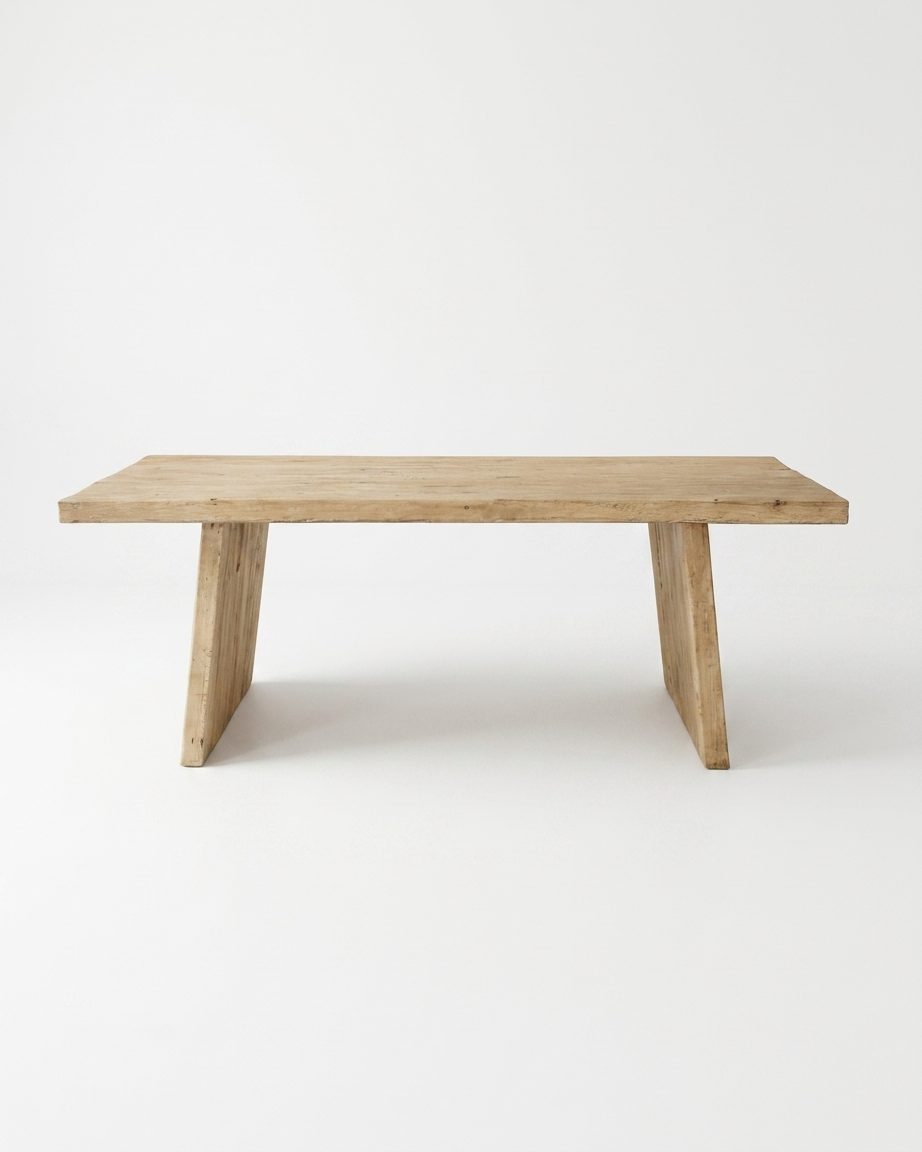
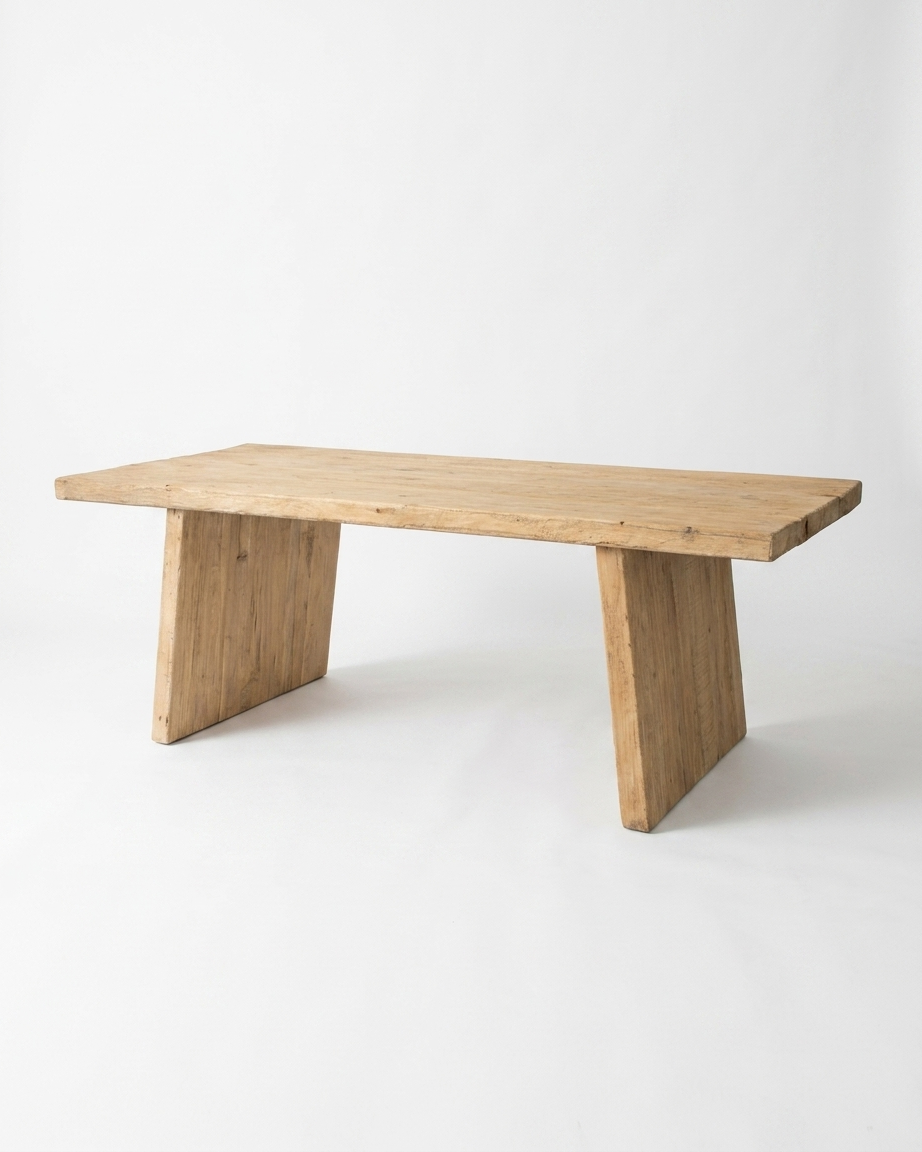
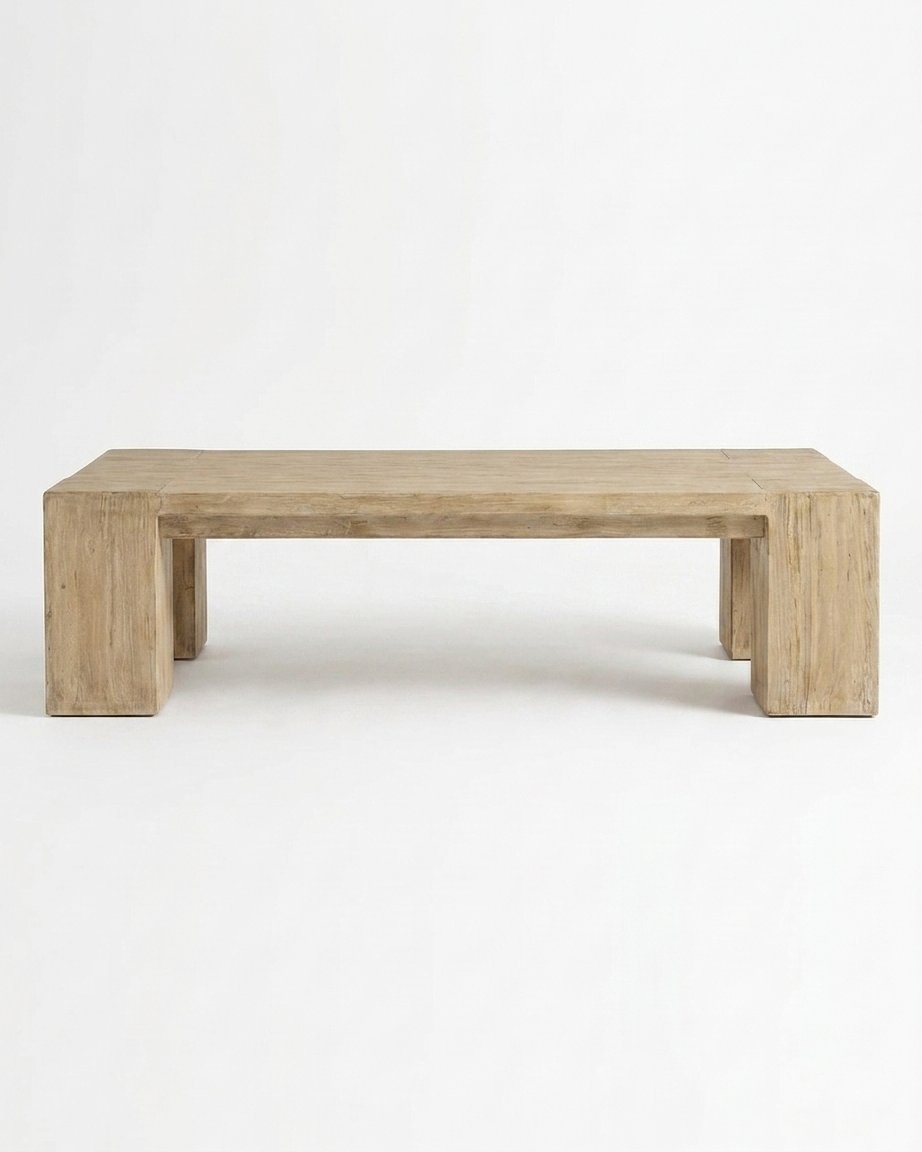
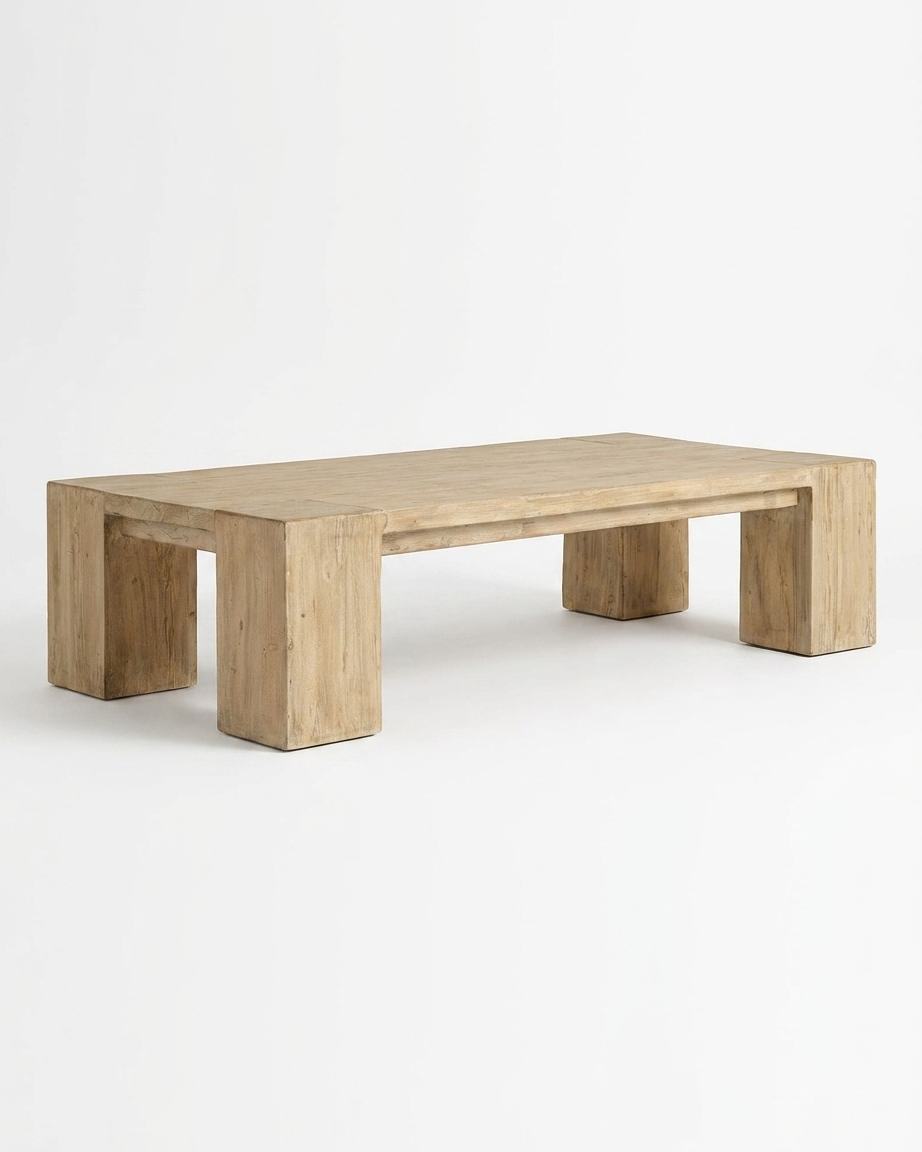
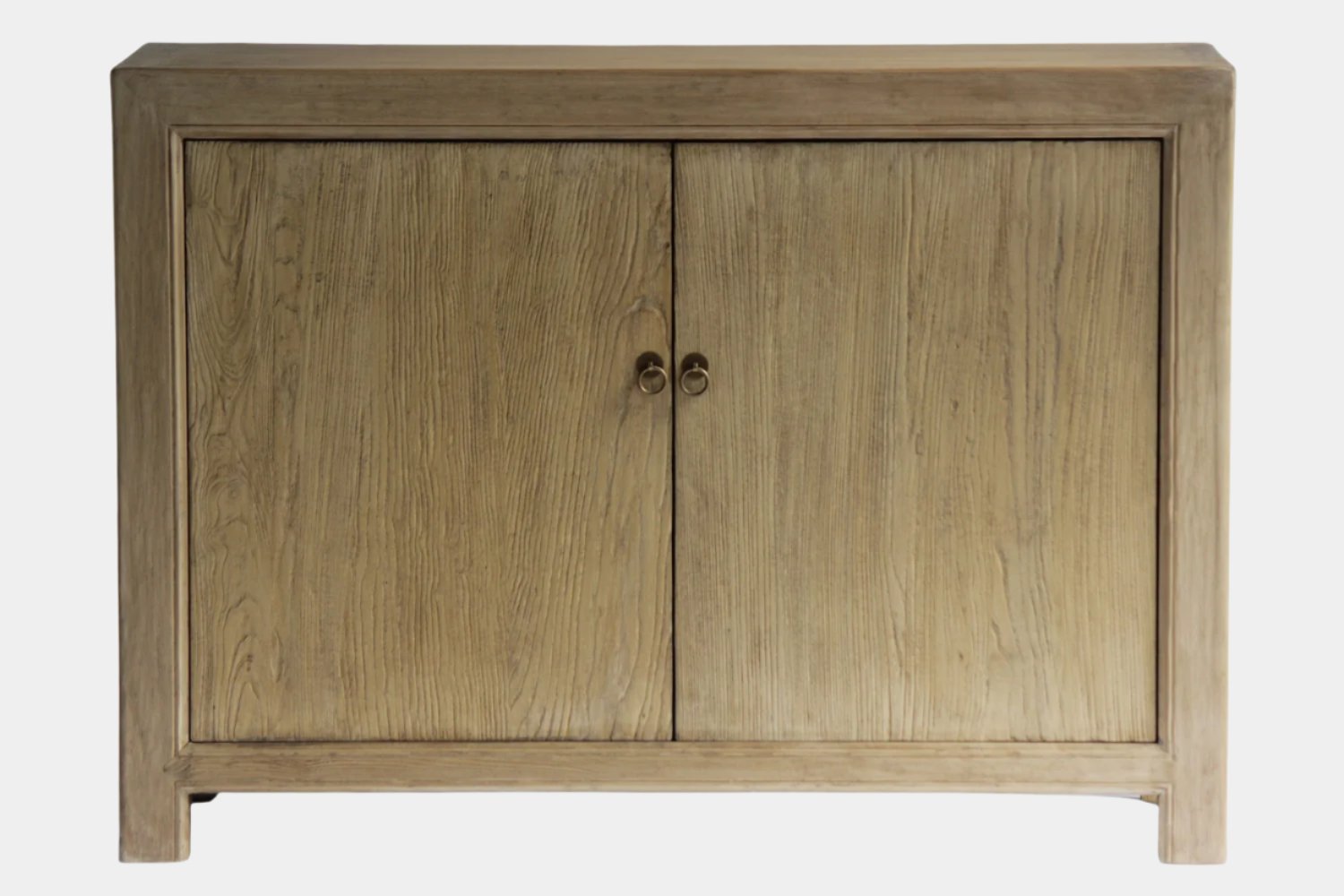
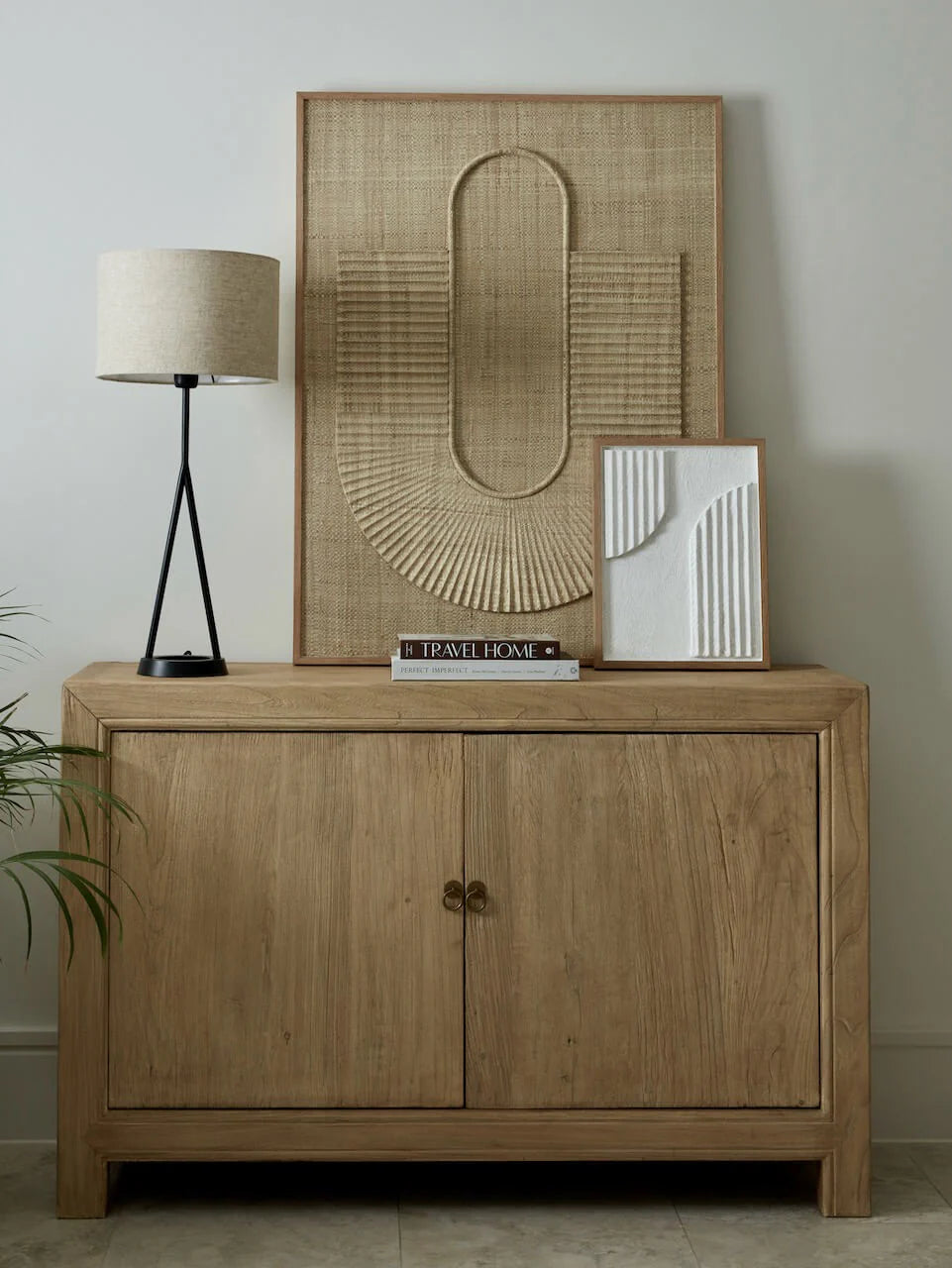
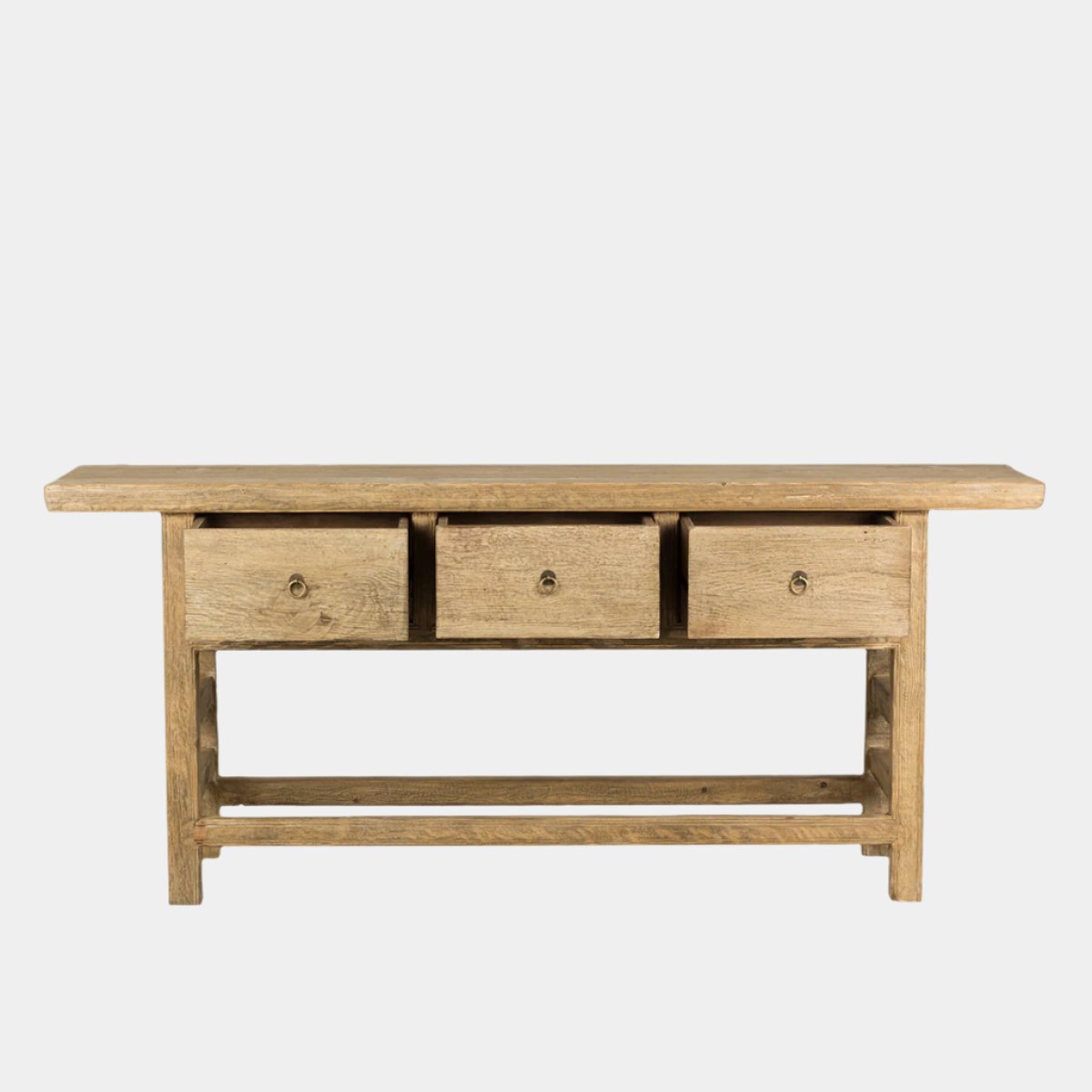
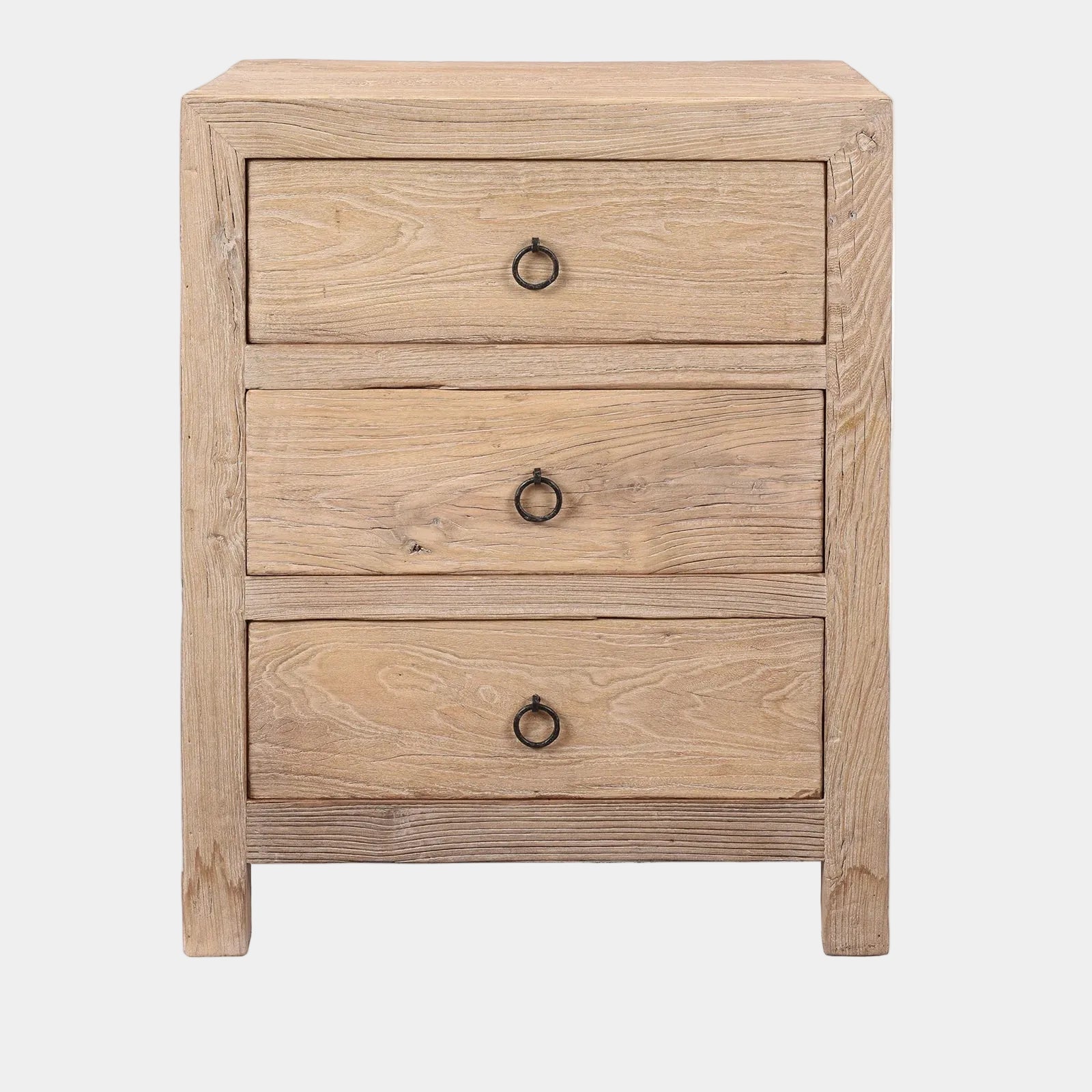
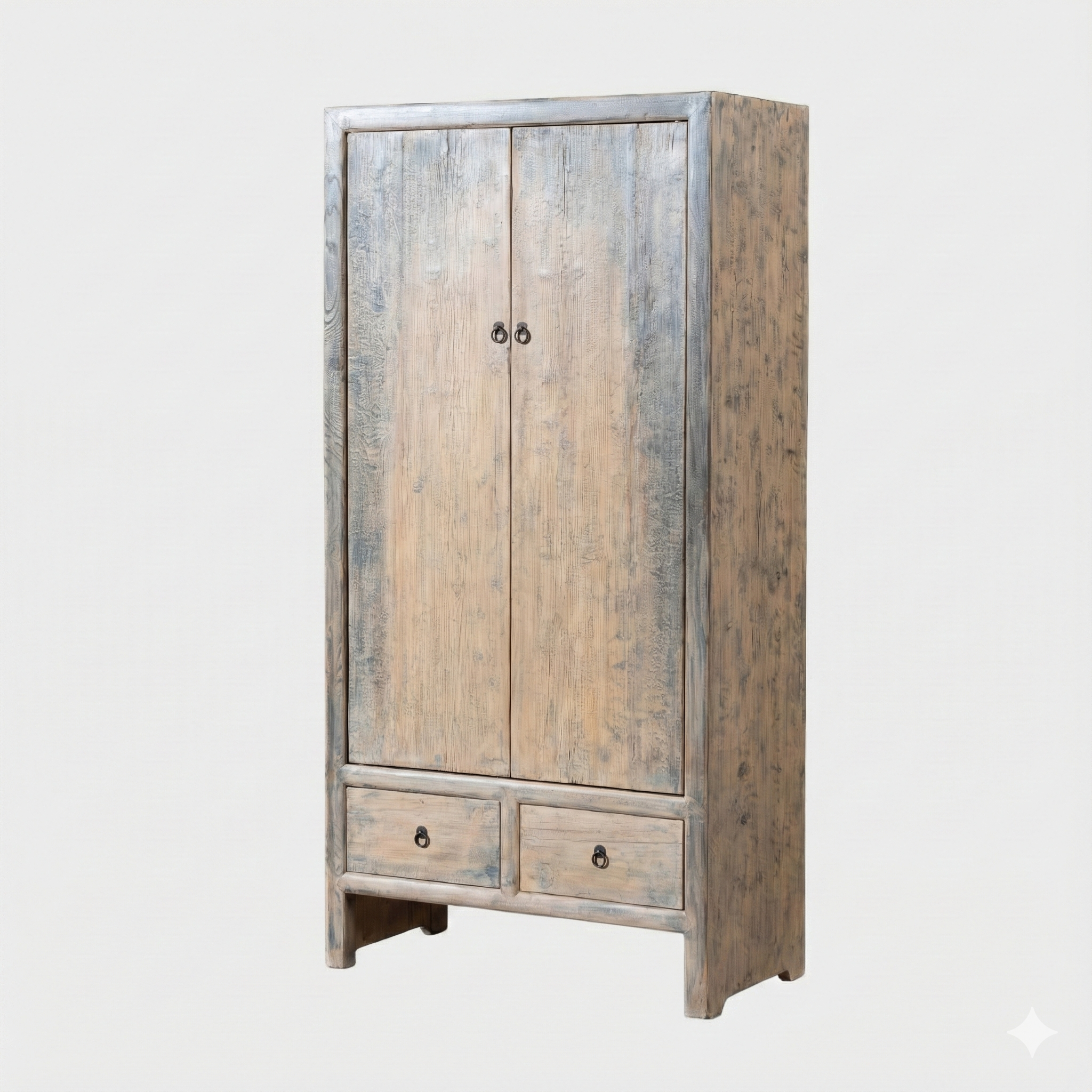
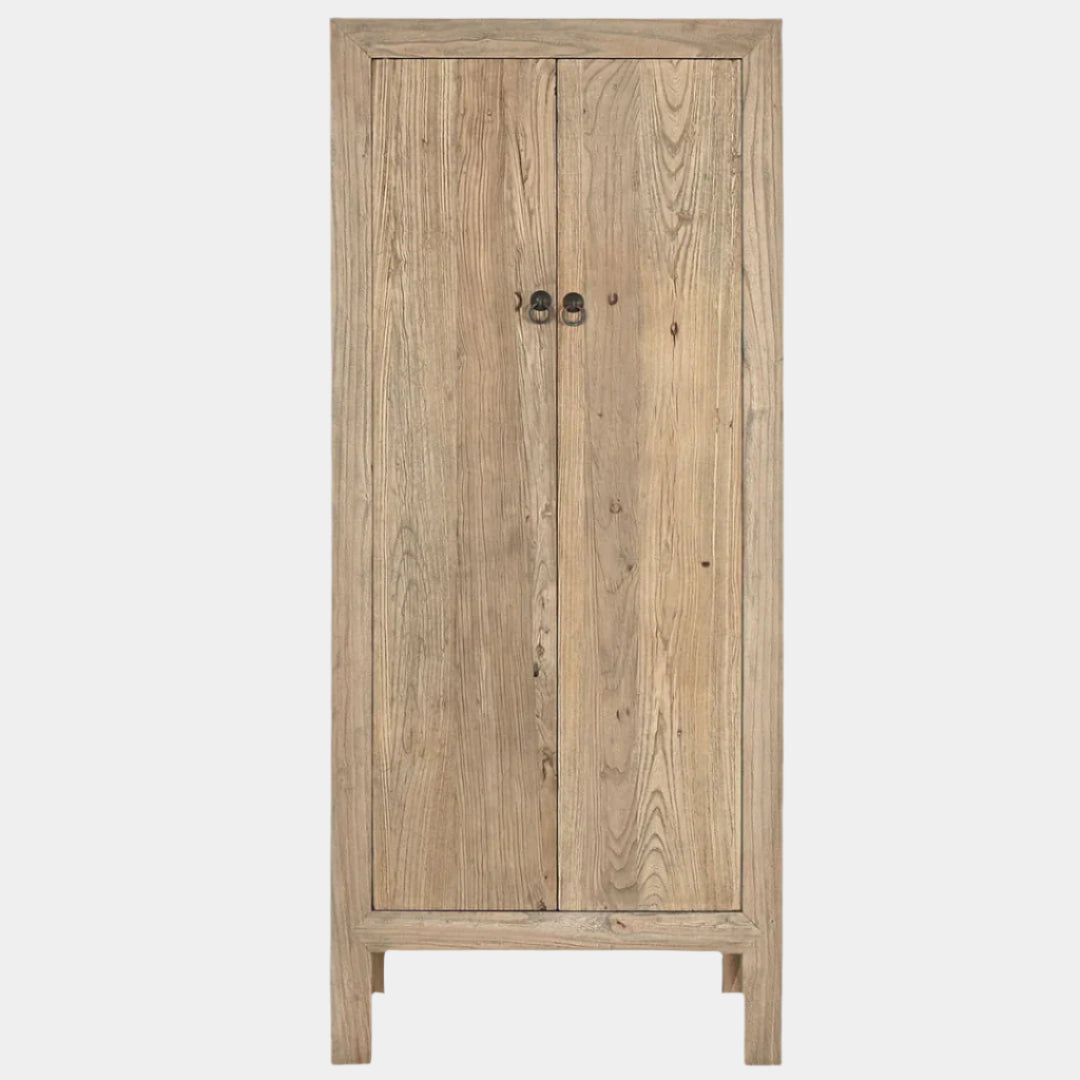
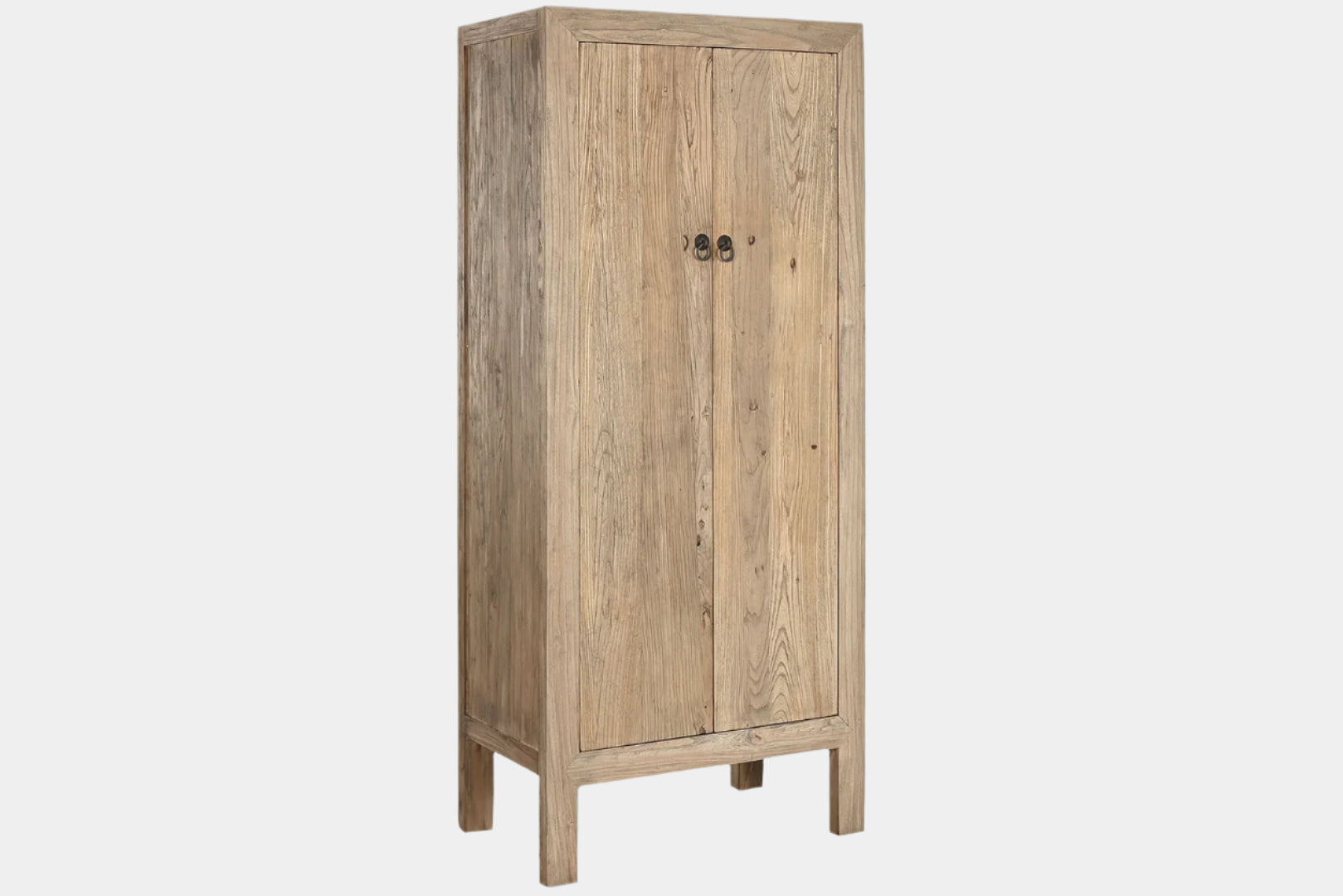
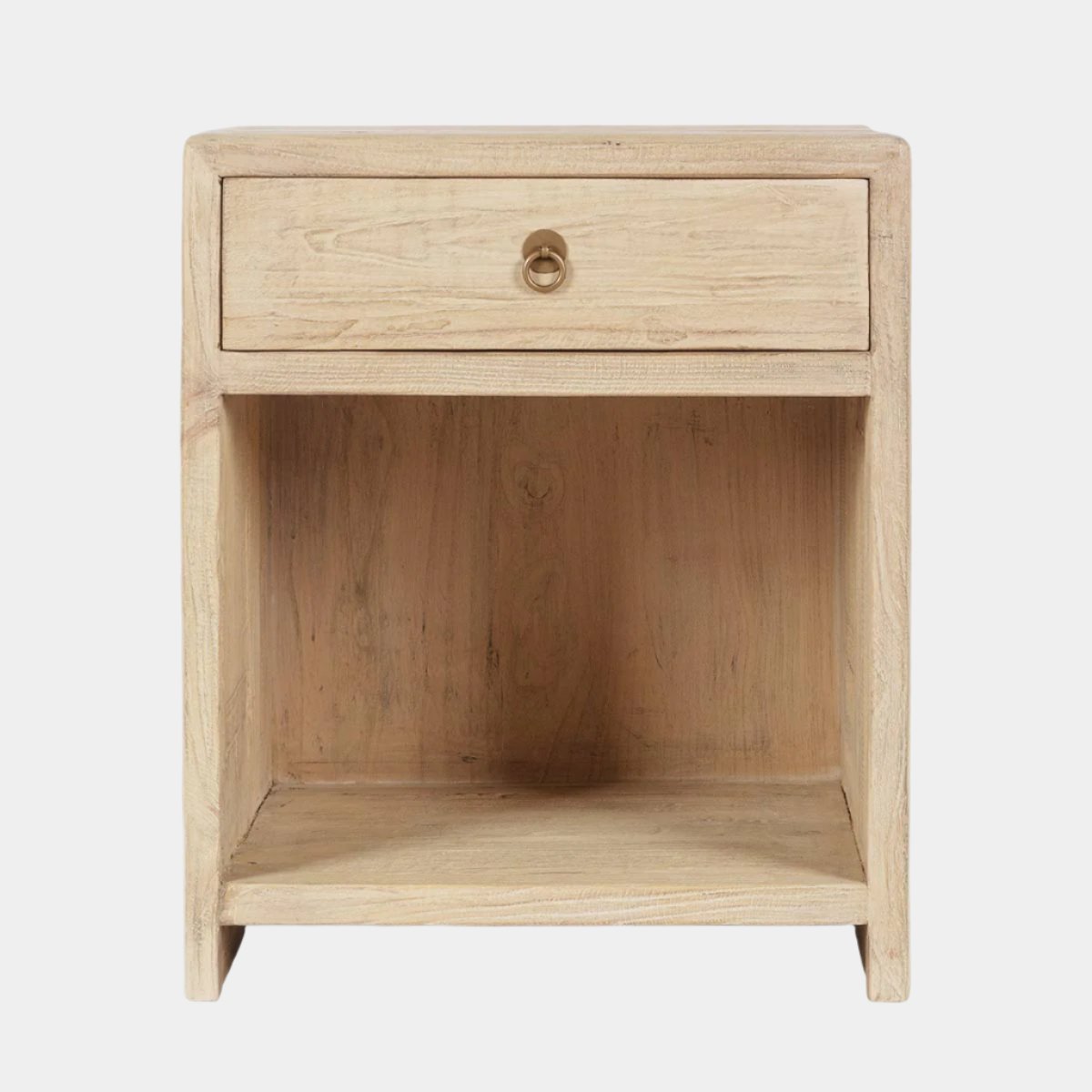
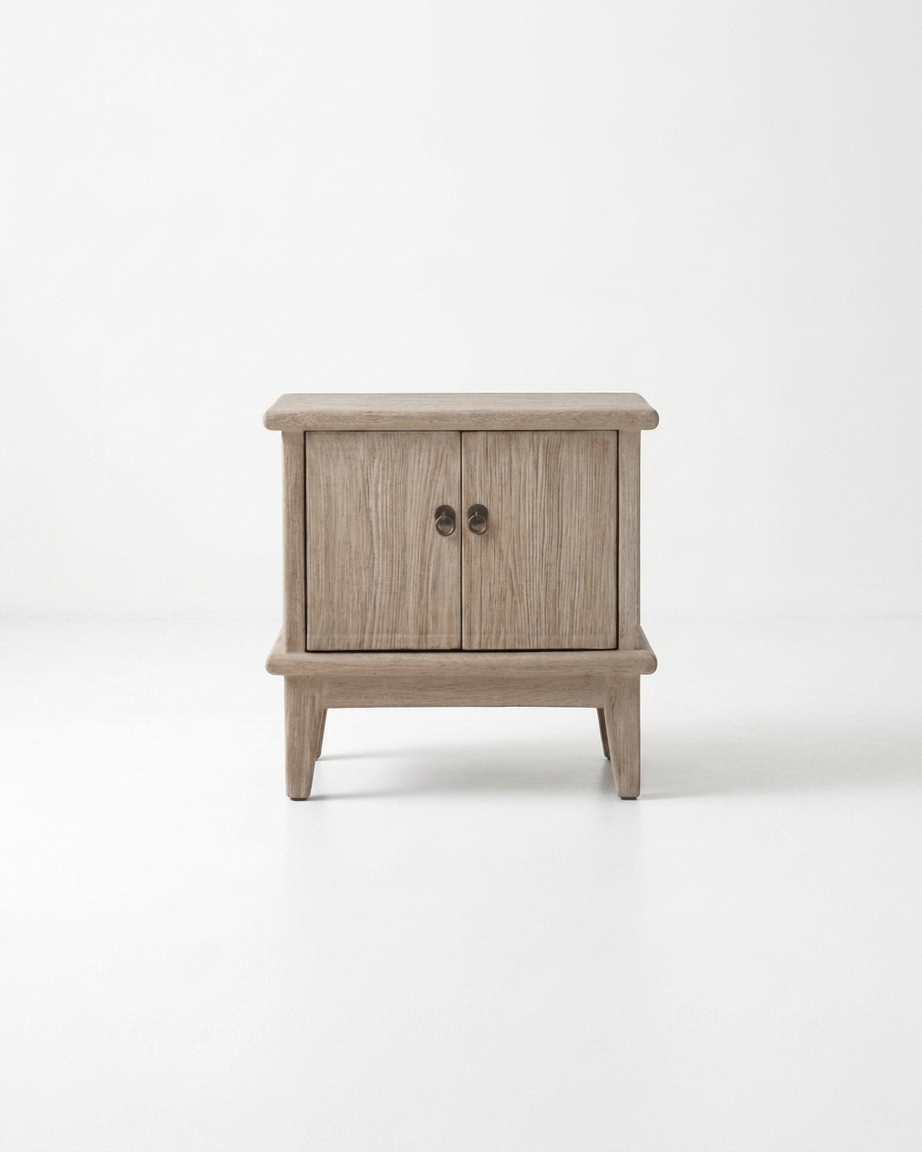
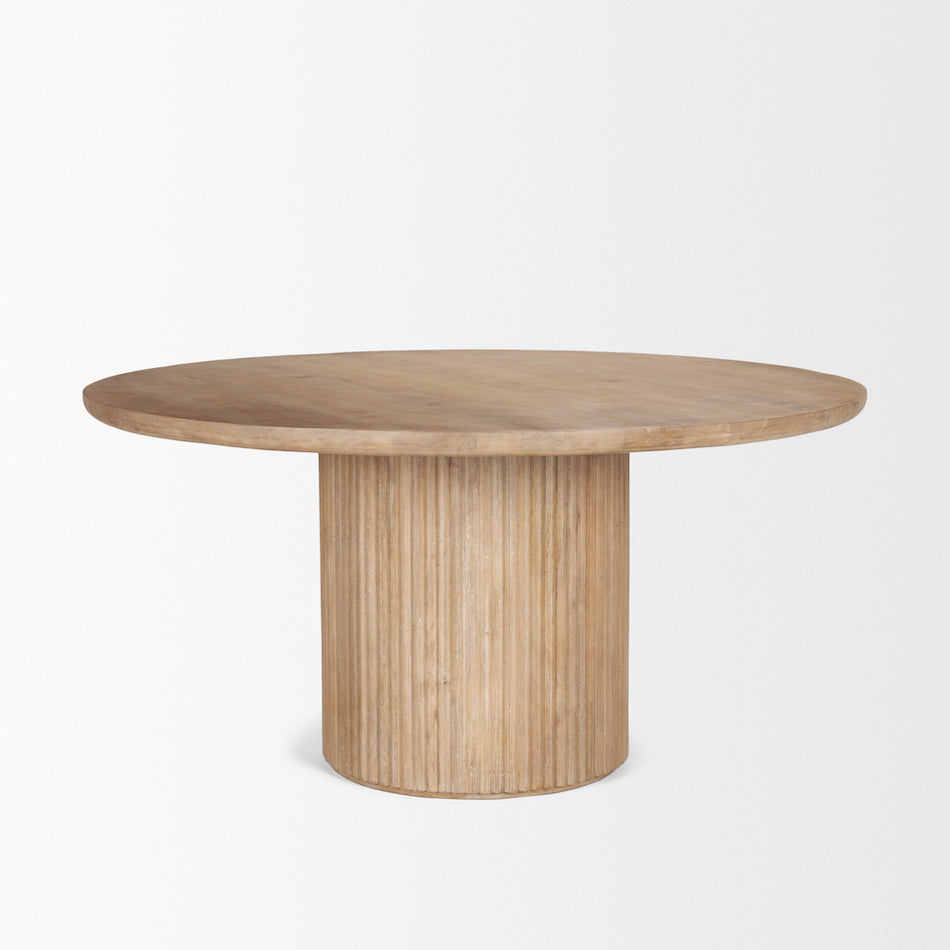
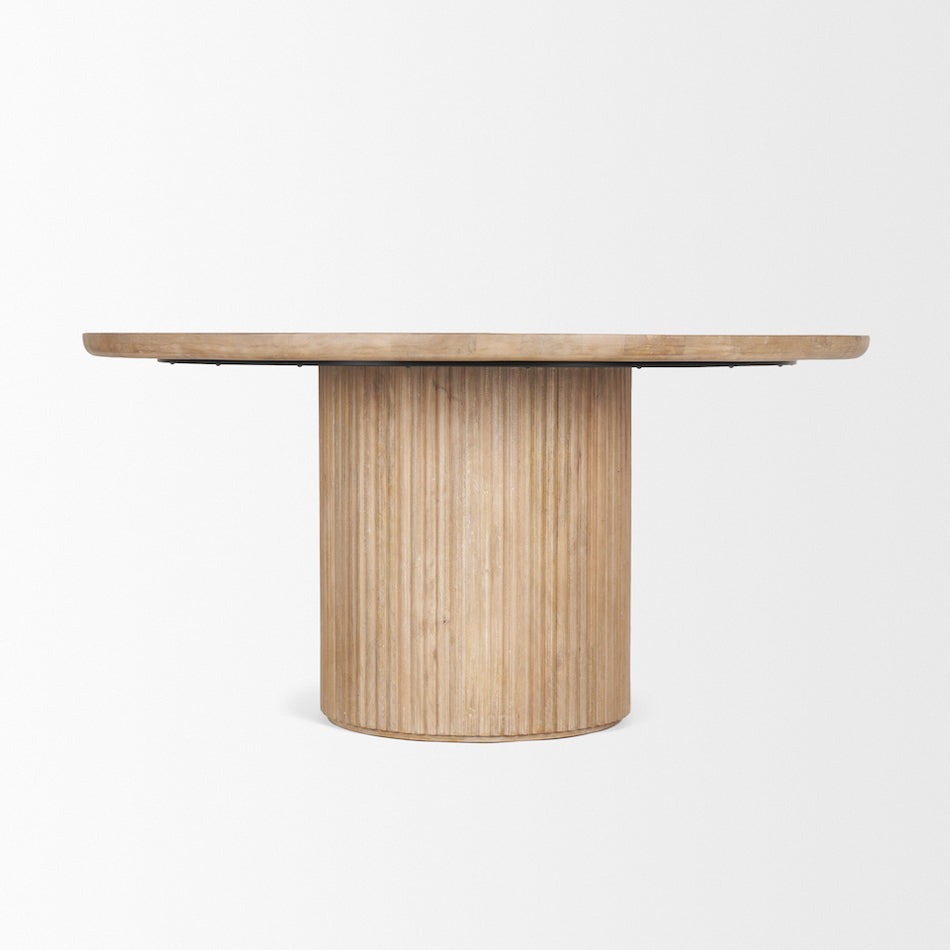
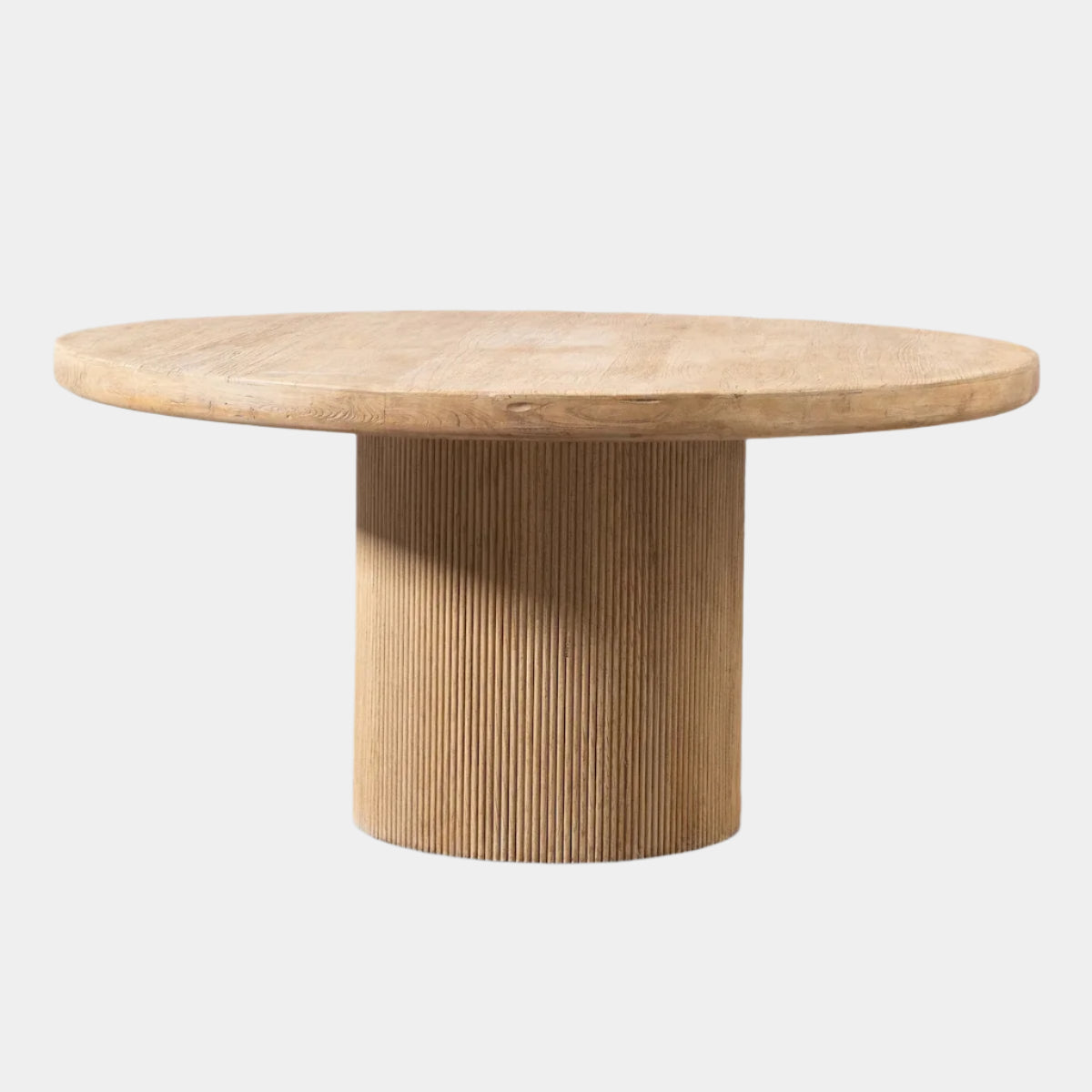
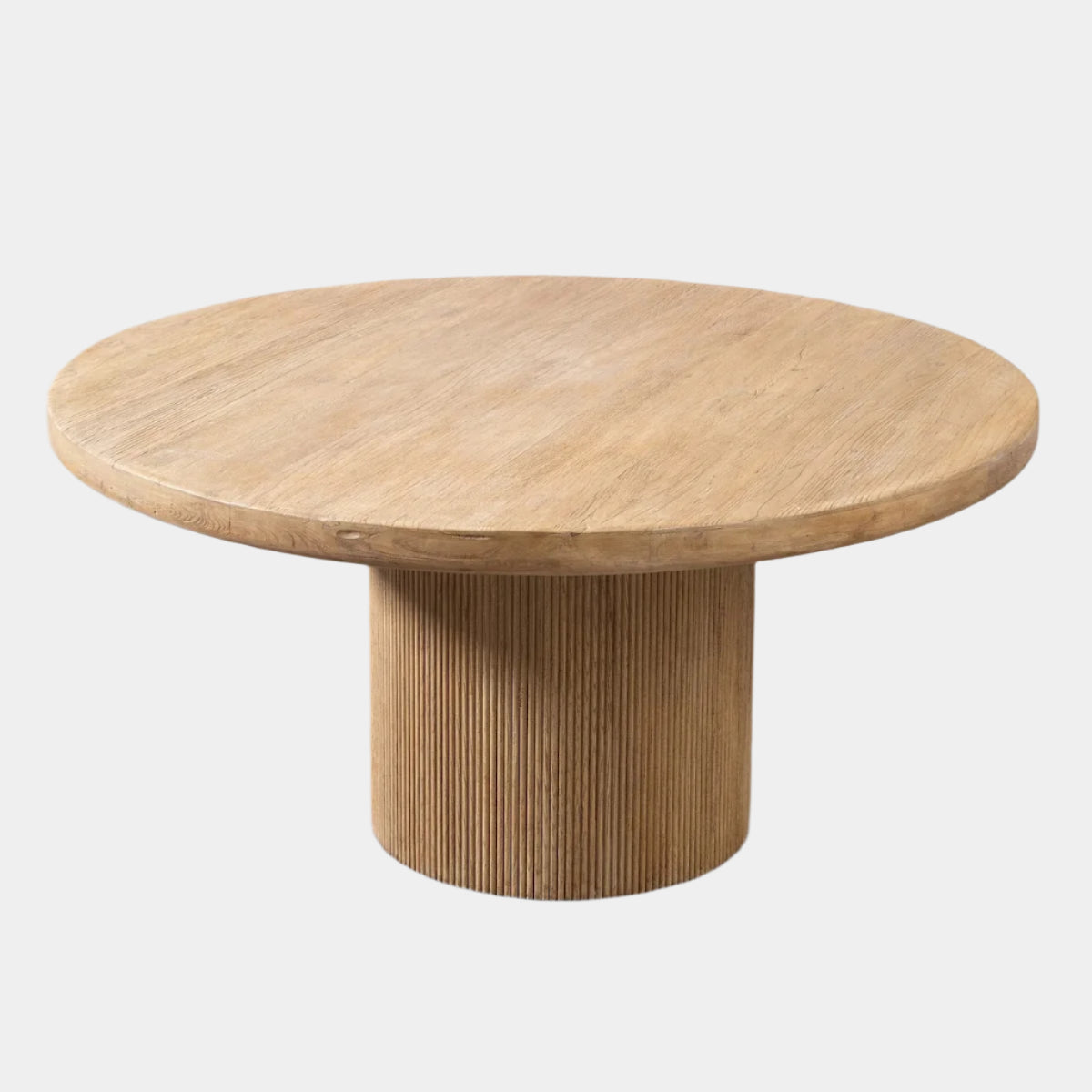
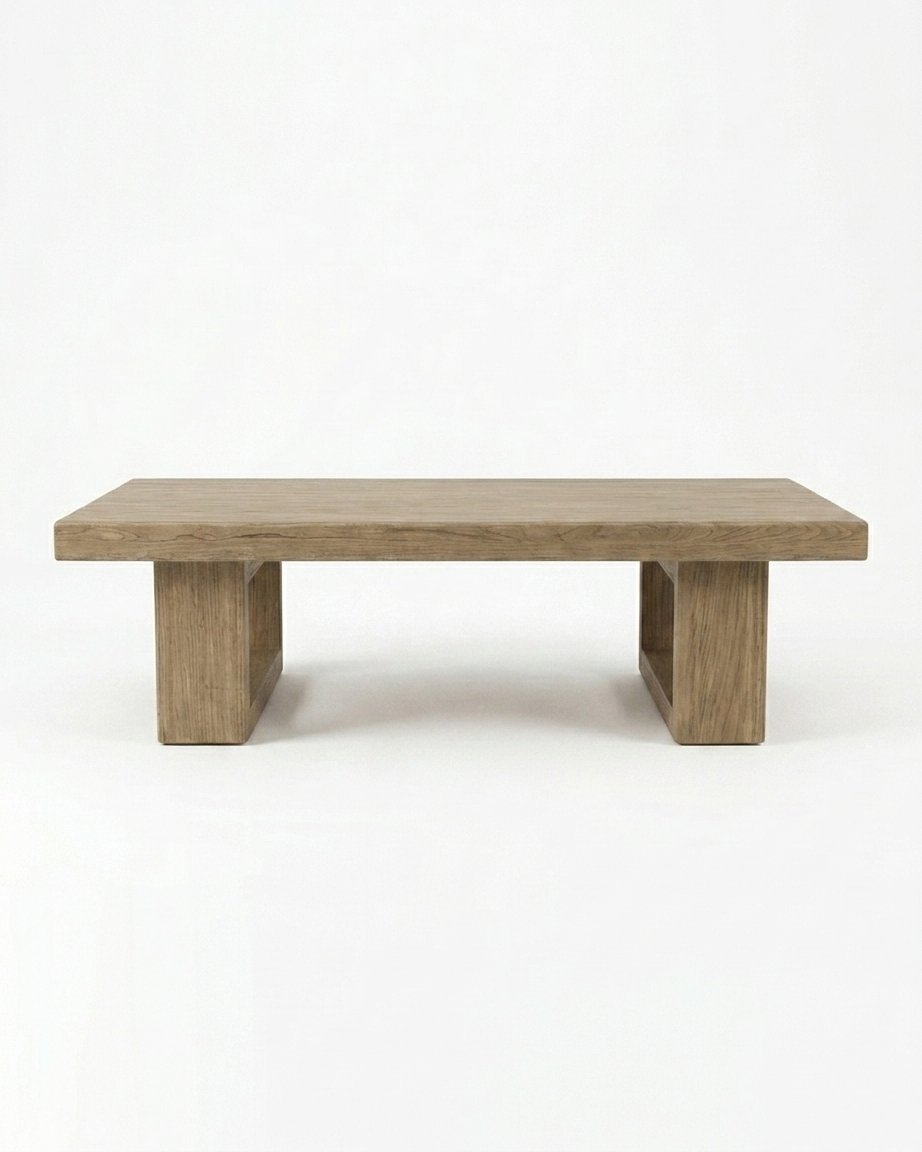
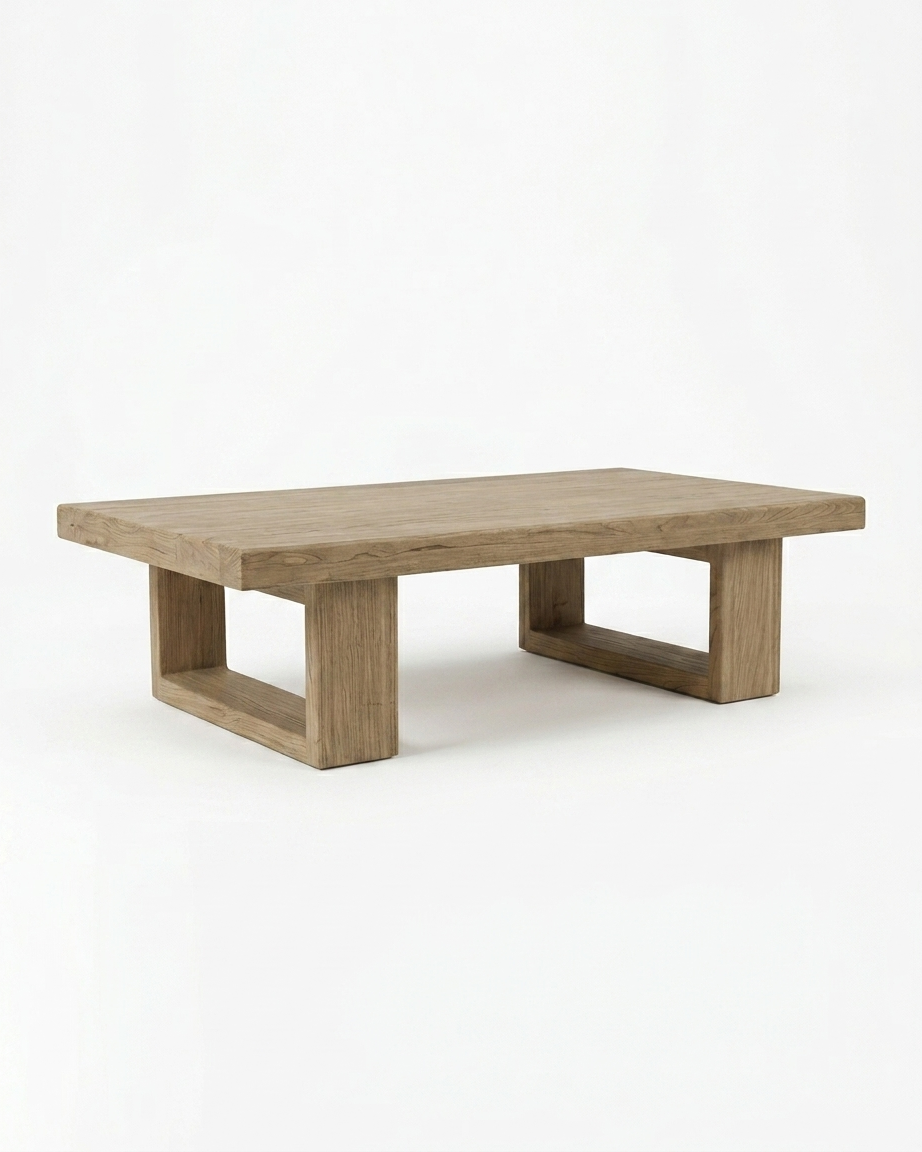
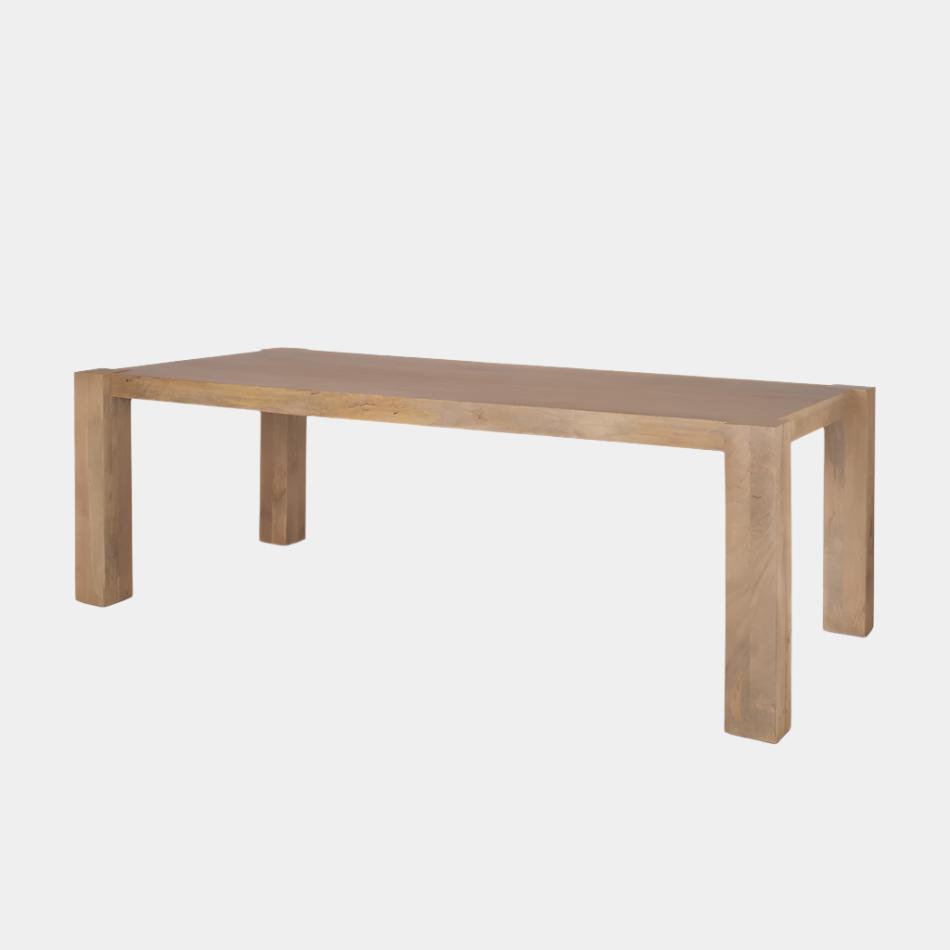
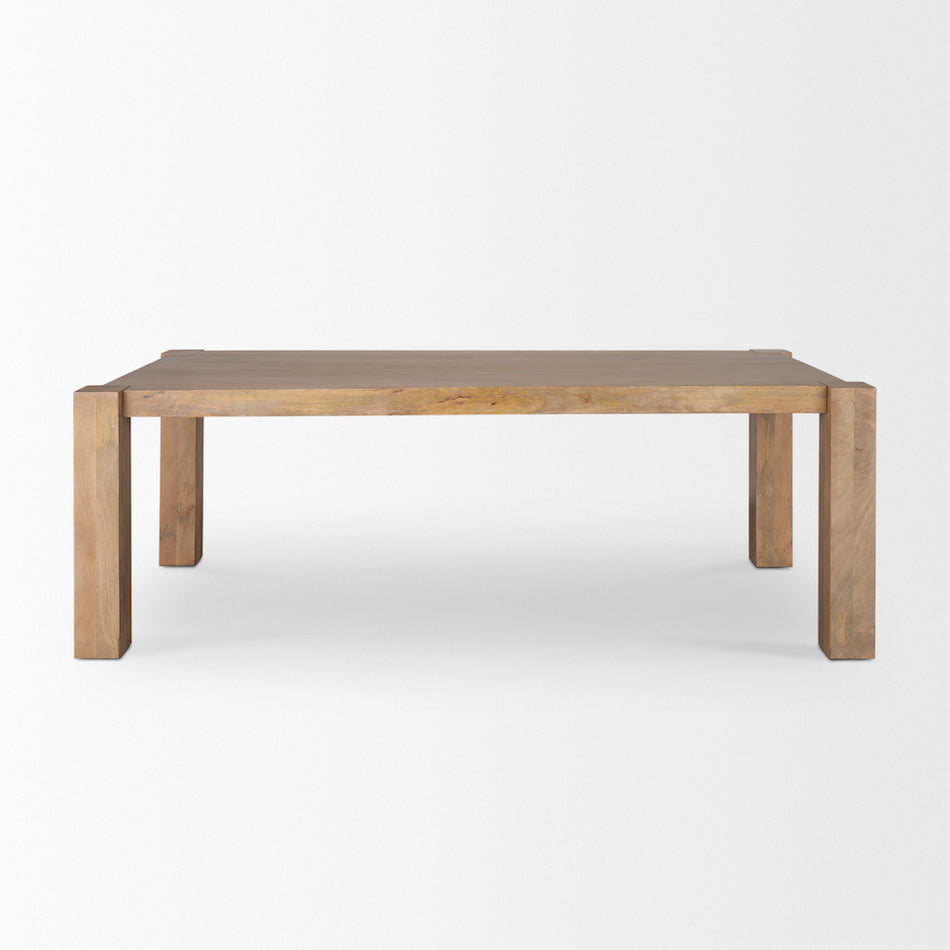
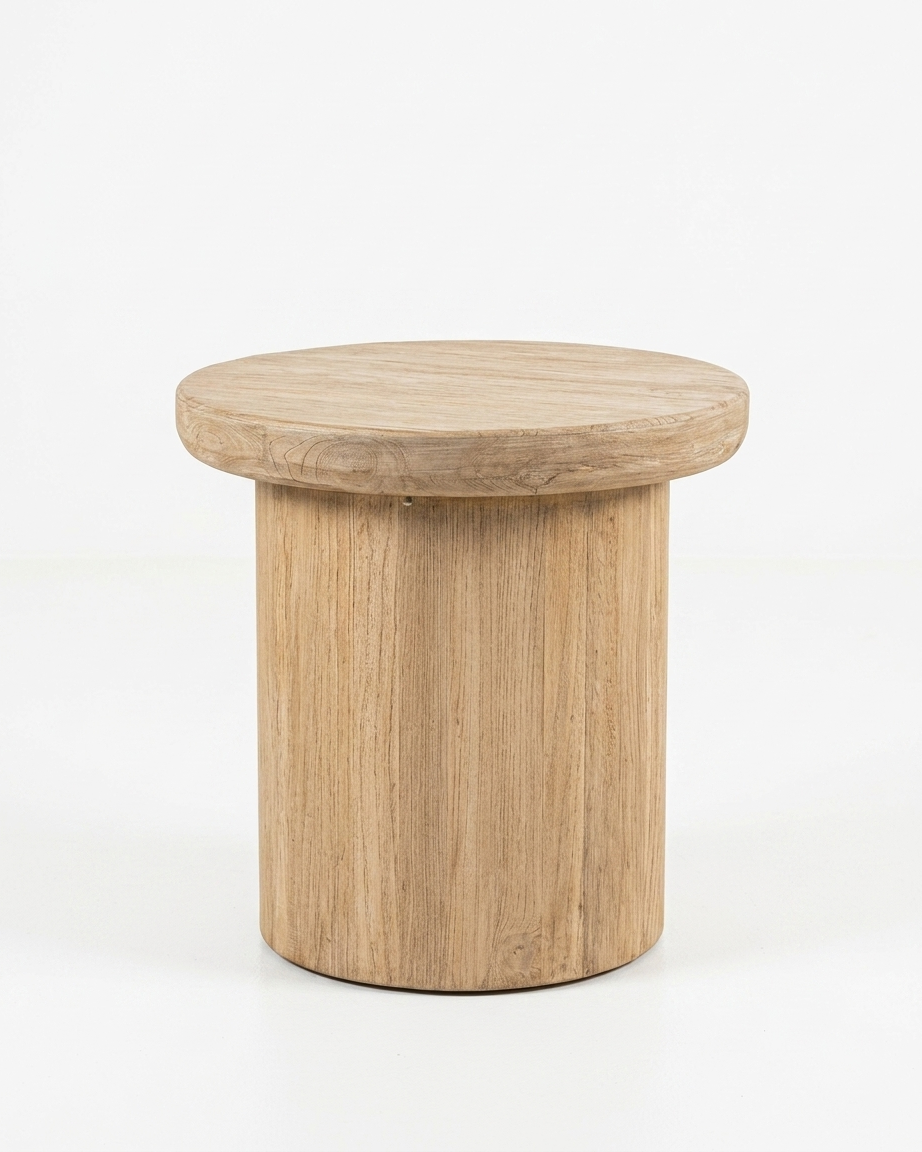
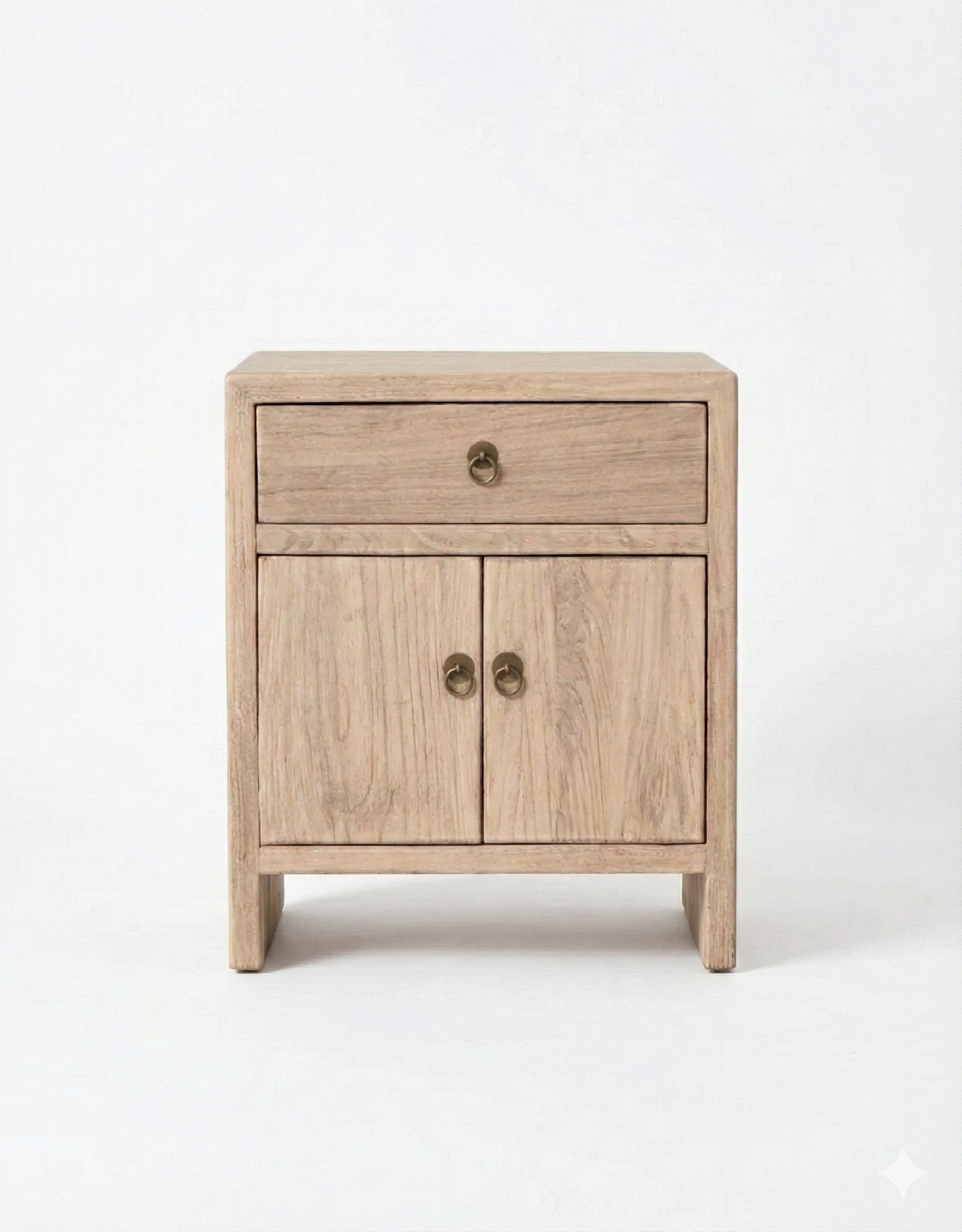
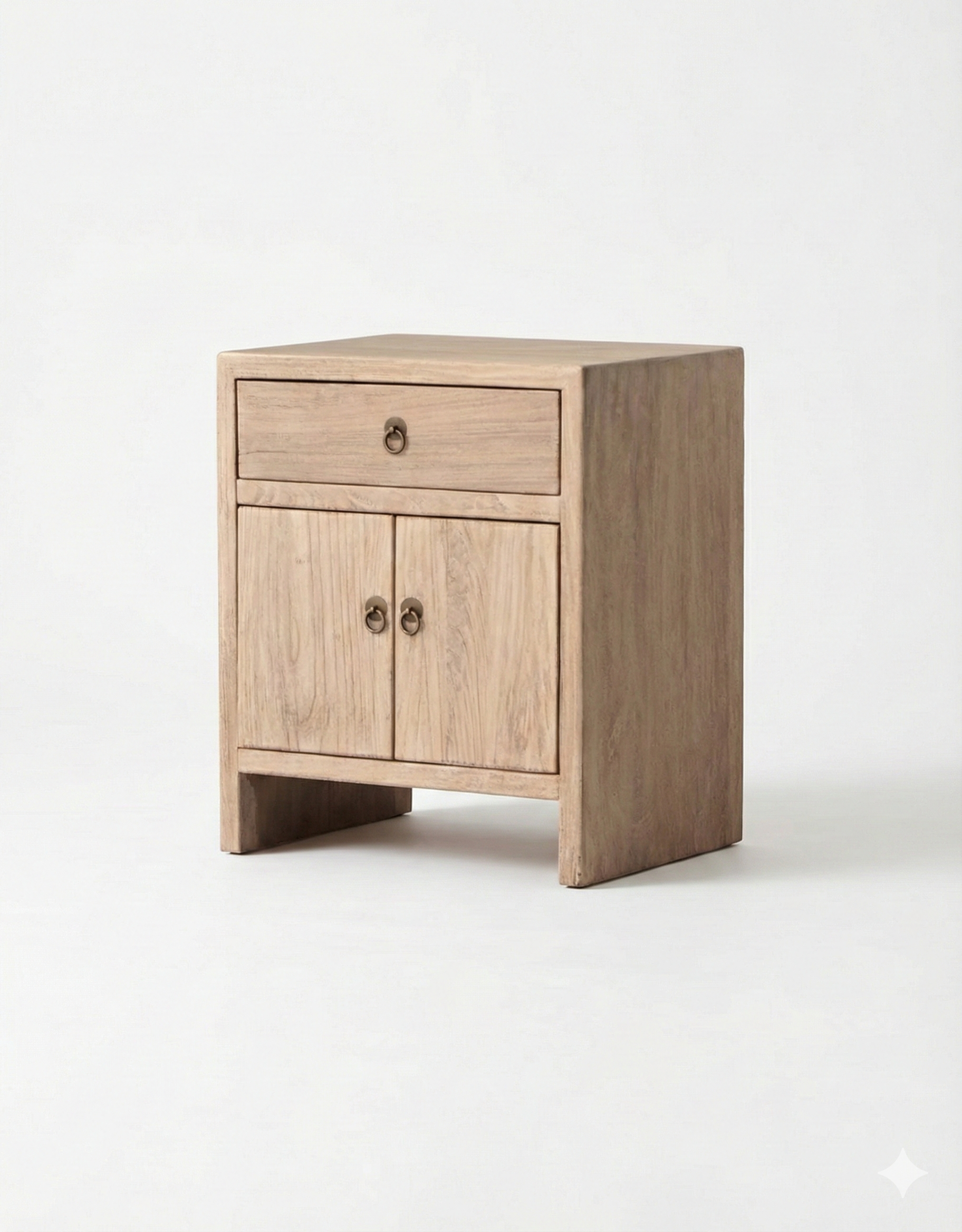
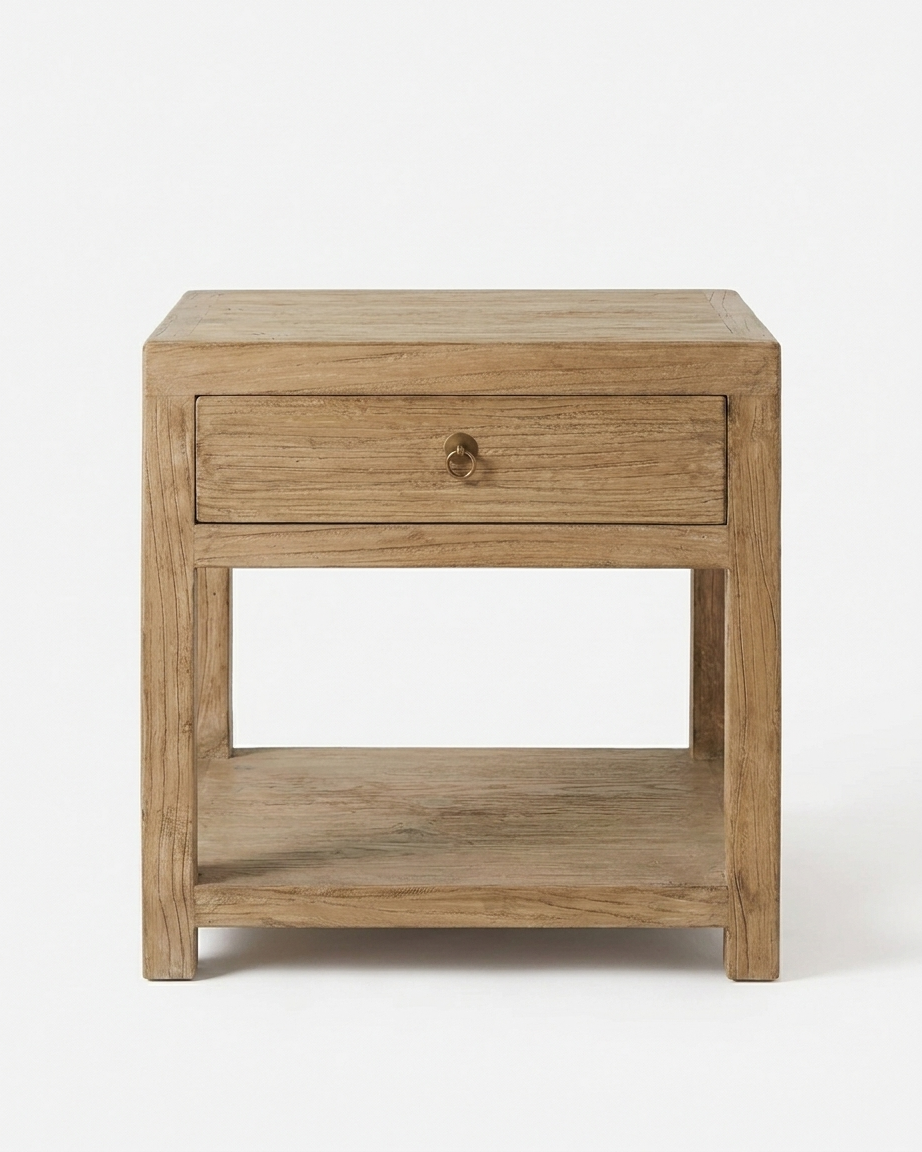
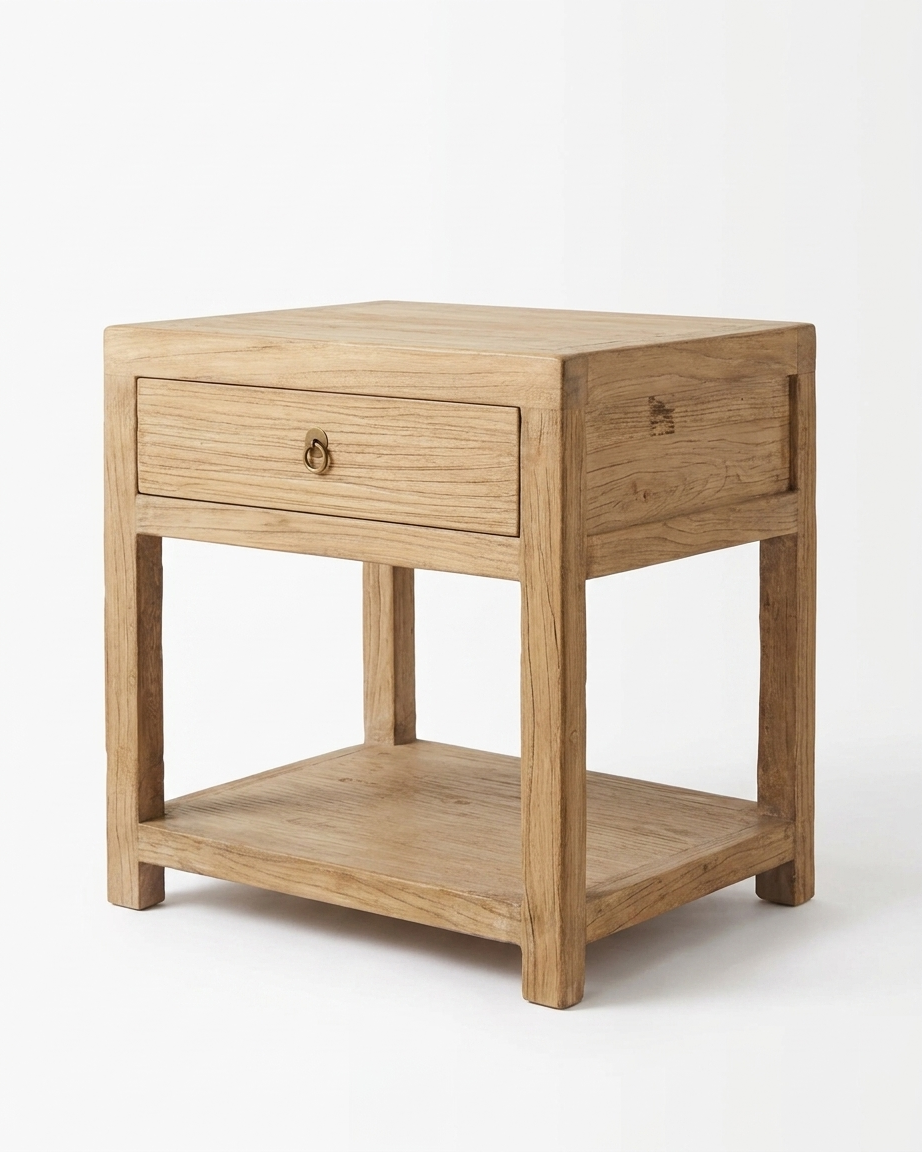
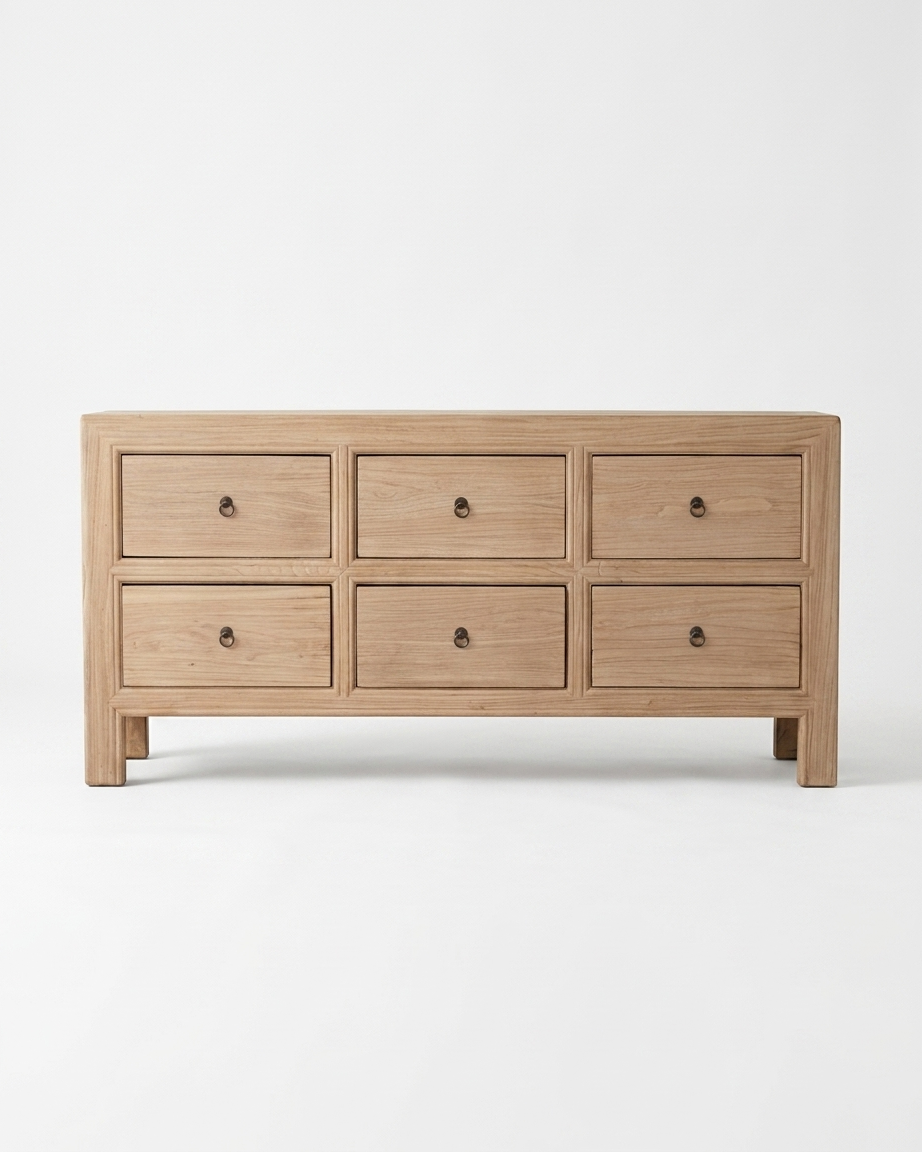
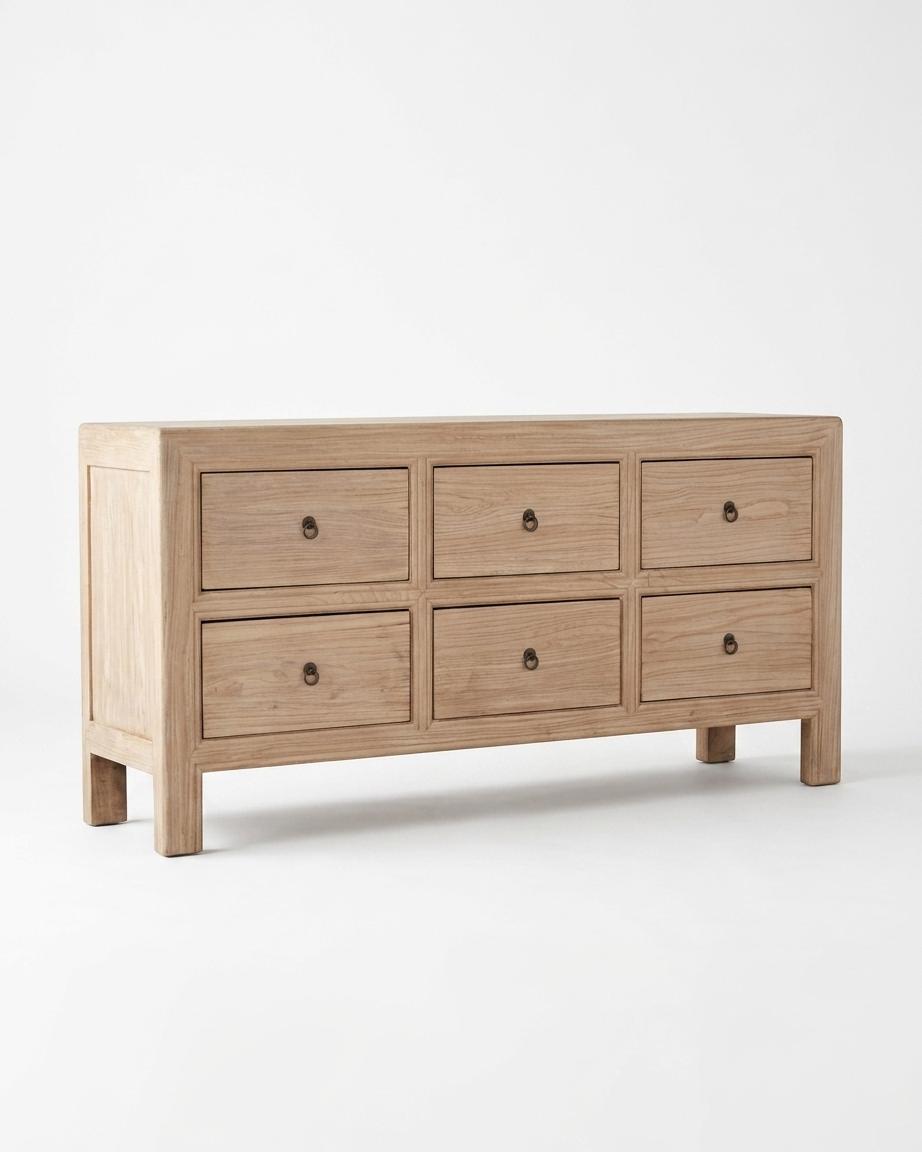
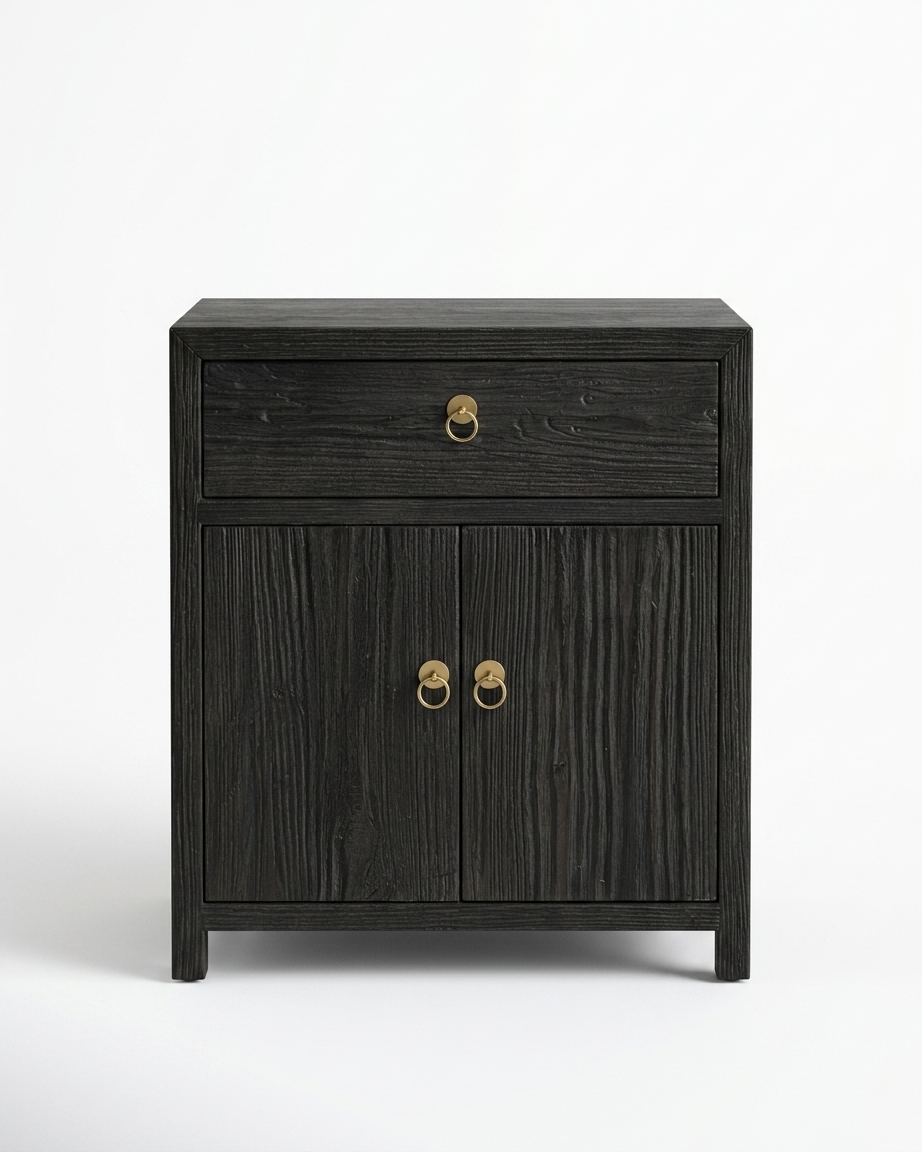
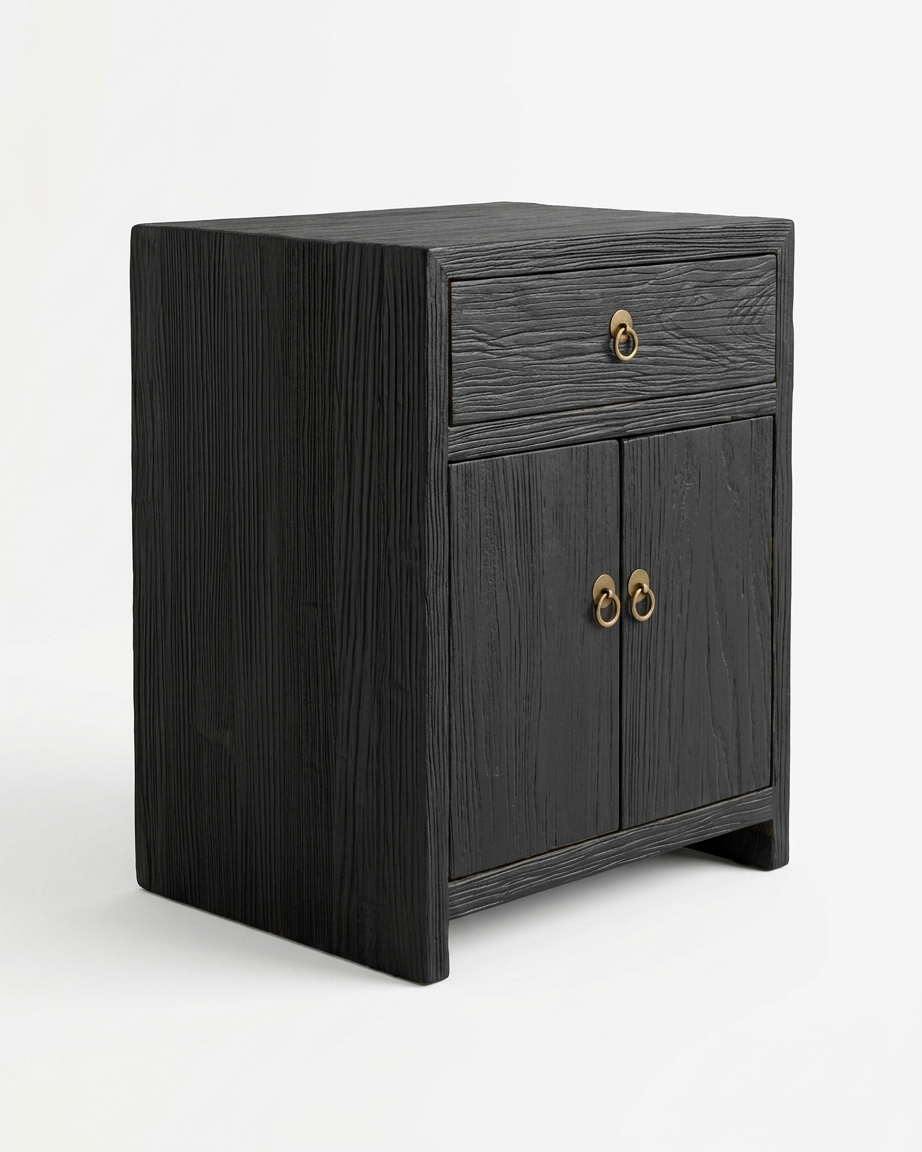
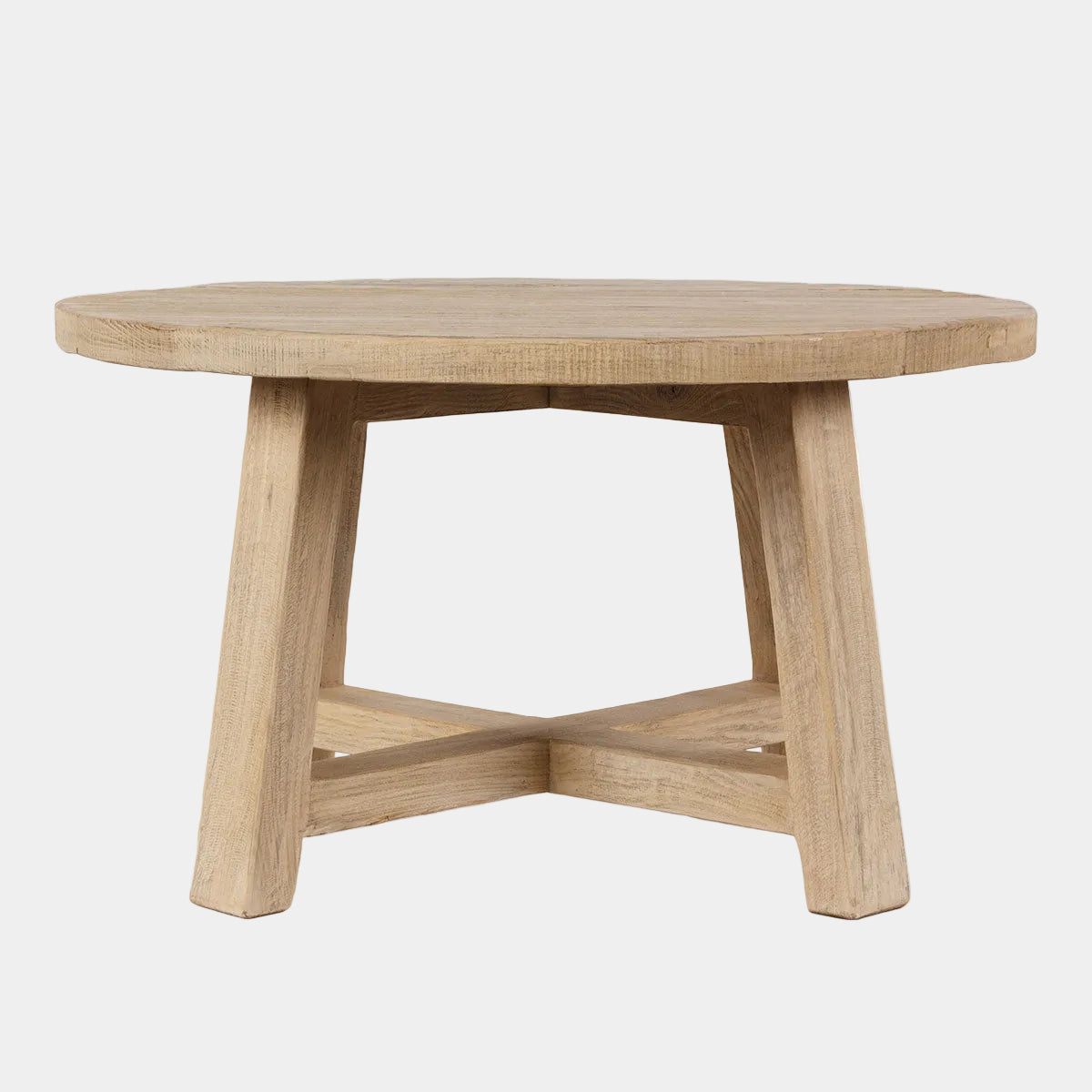
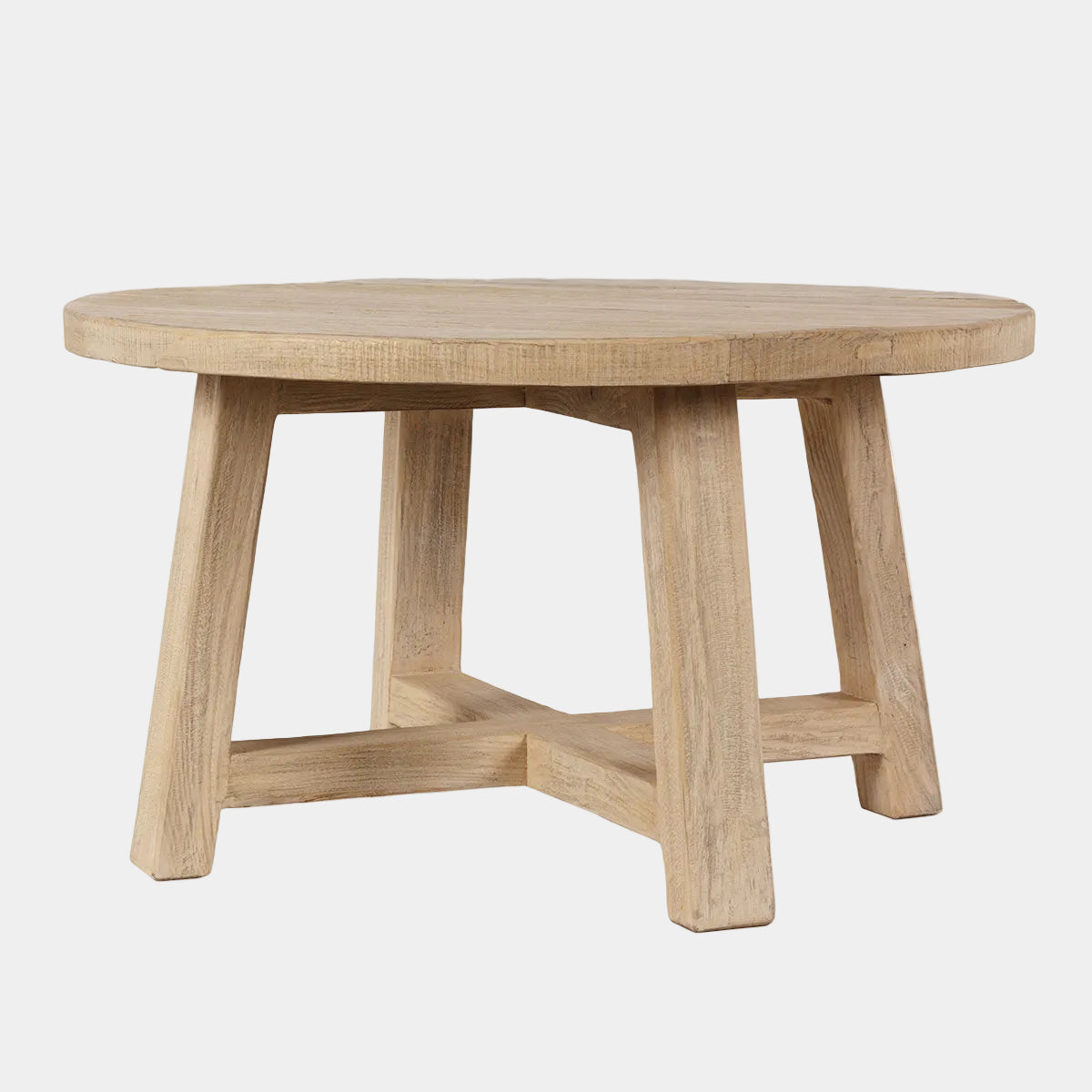
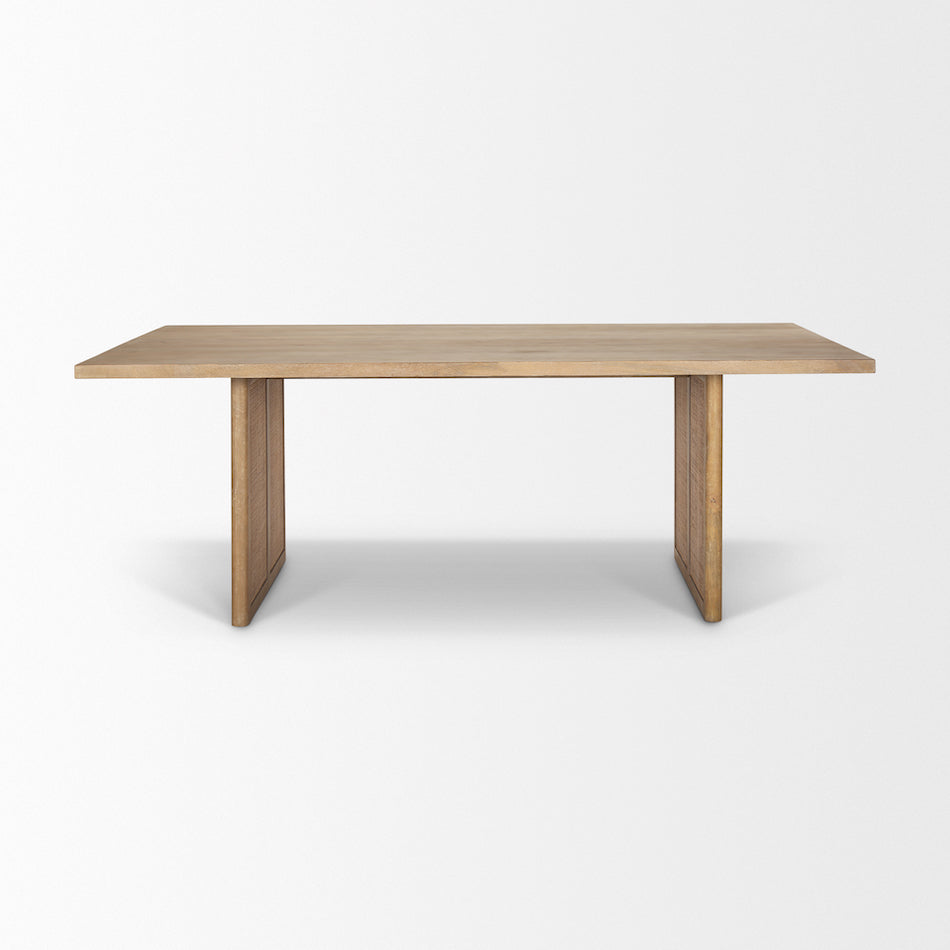
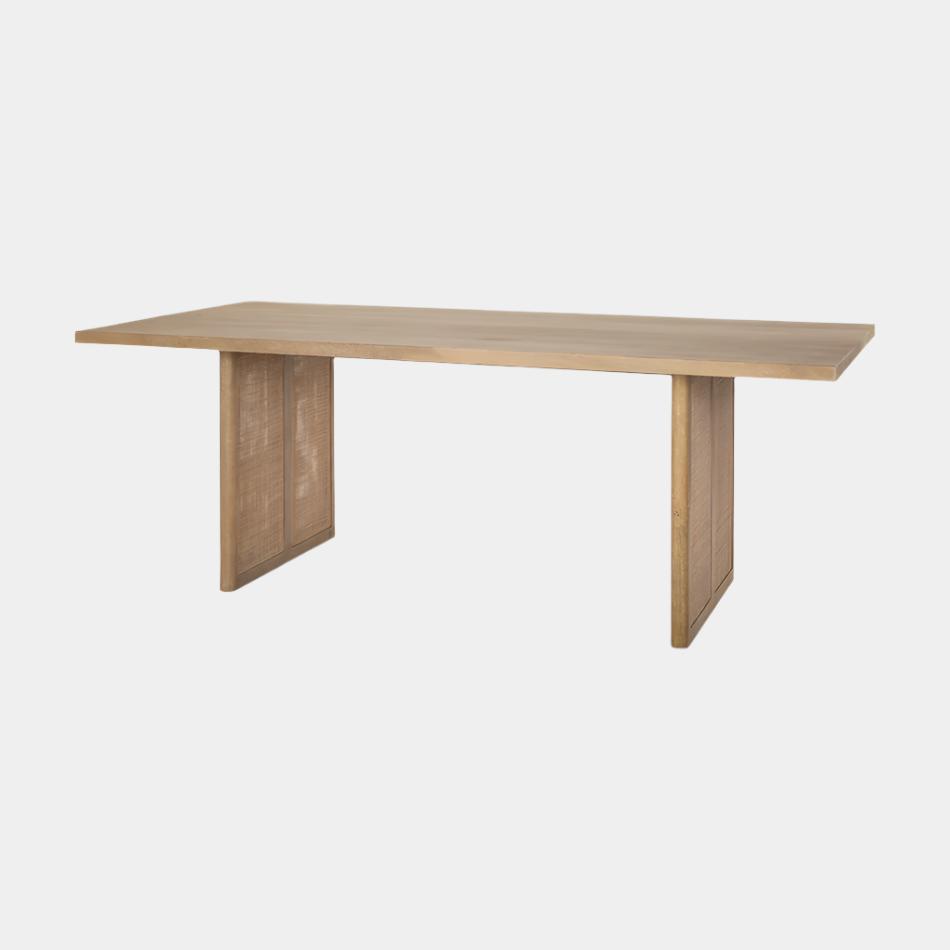
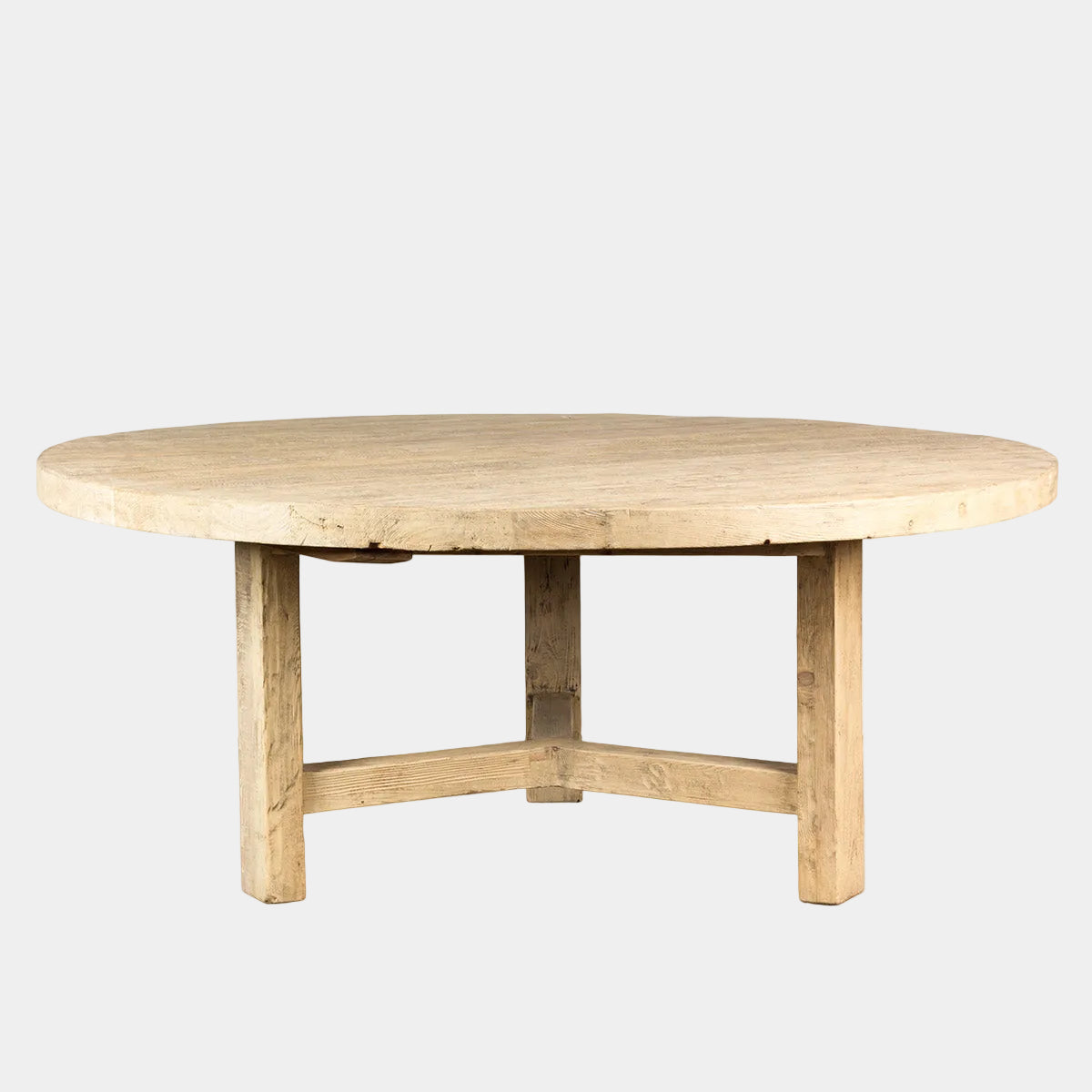
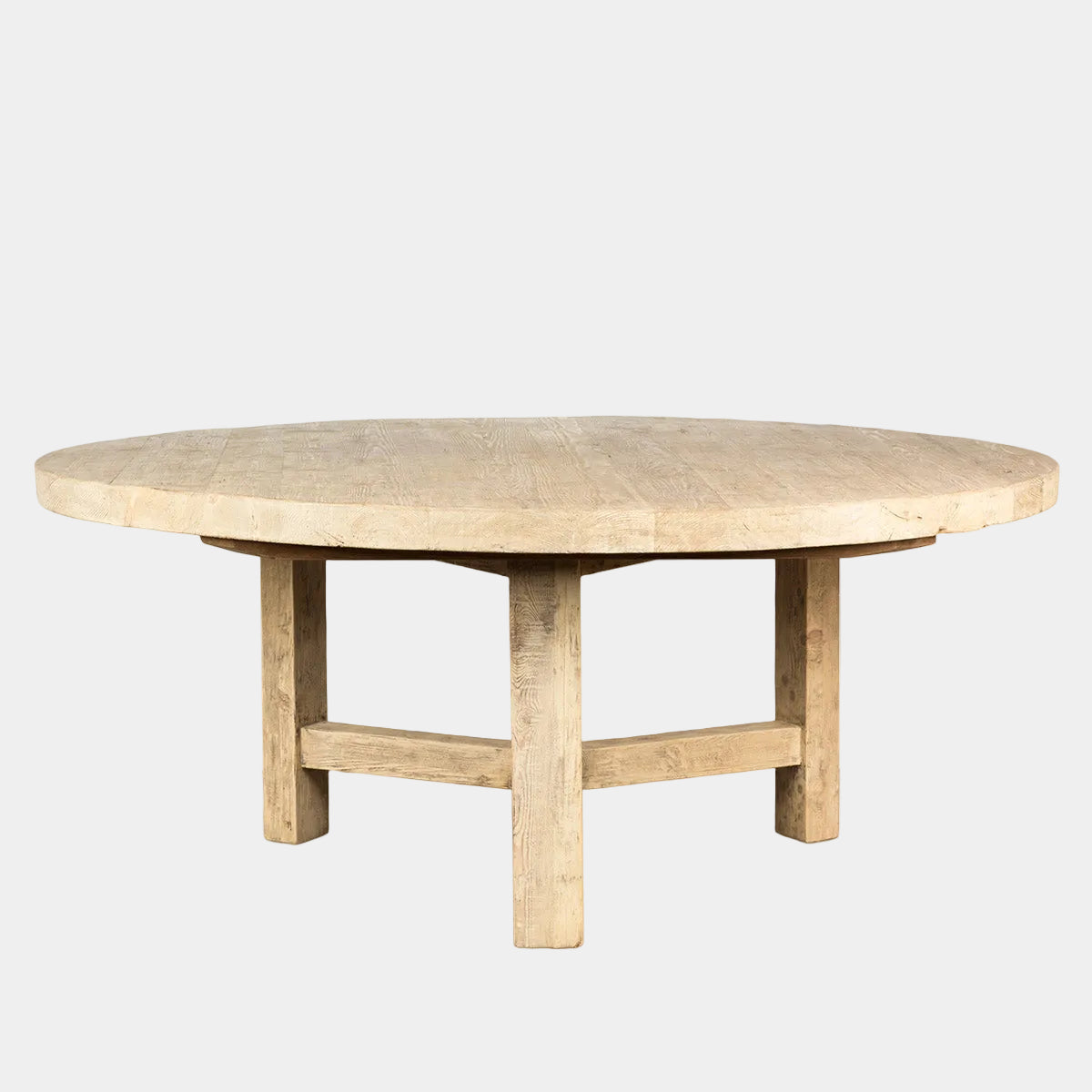
Japandi Furniture is our collection of dining tables, coffee tables, nightstands, consoles and benches that pair Japanese restraint with Scandinavian warmth. Most pieces are solid elm, with simple forms and natural, imperfect grain.
The Style
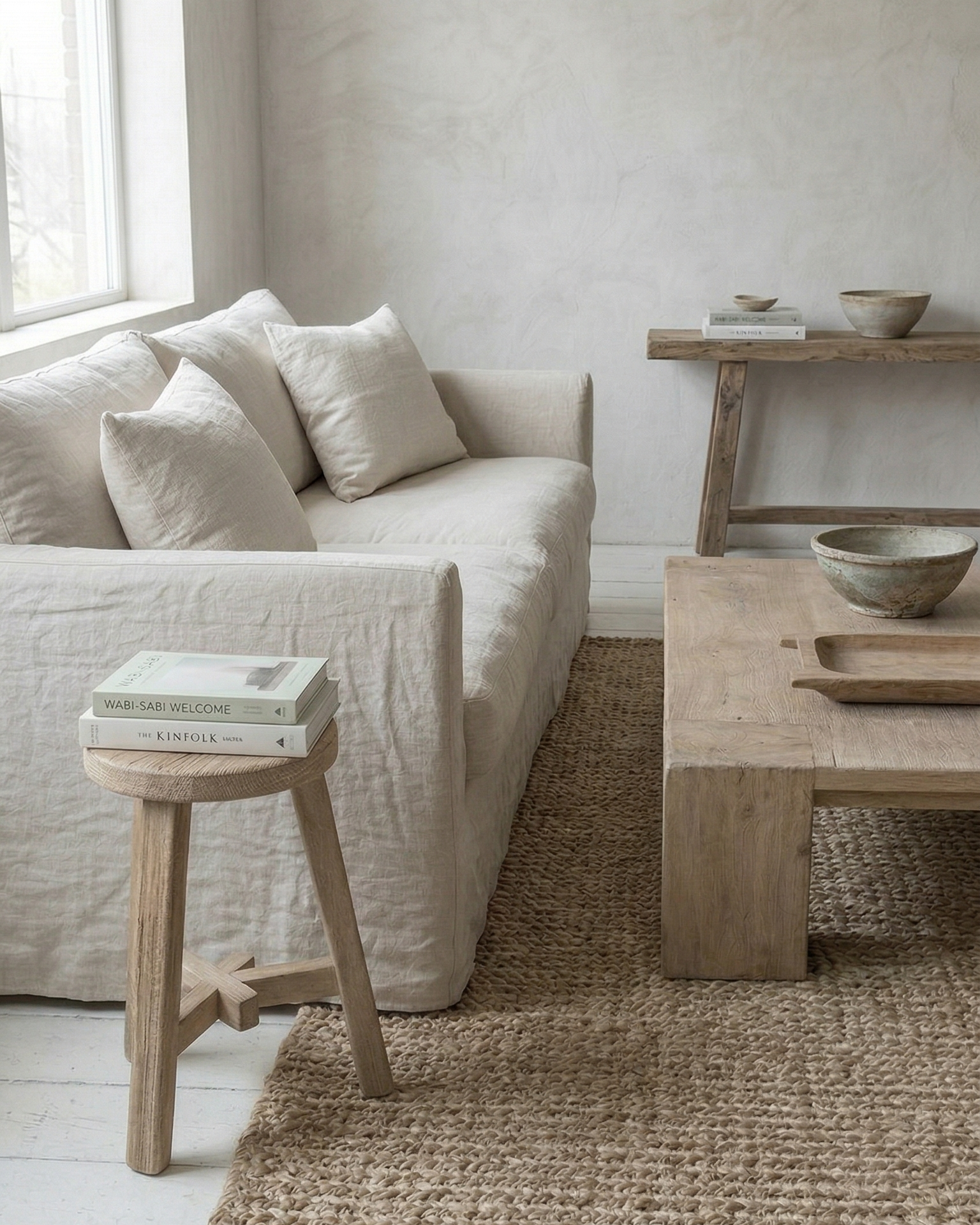
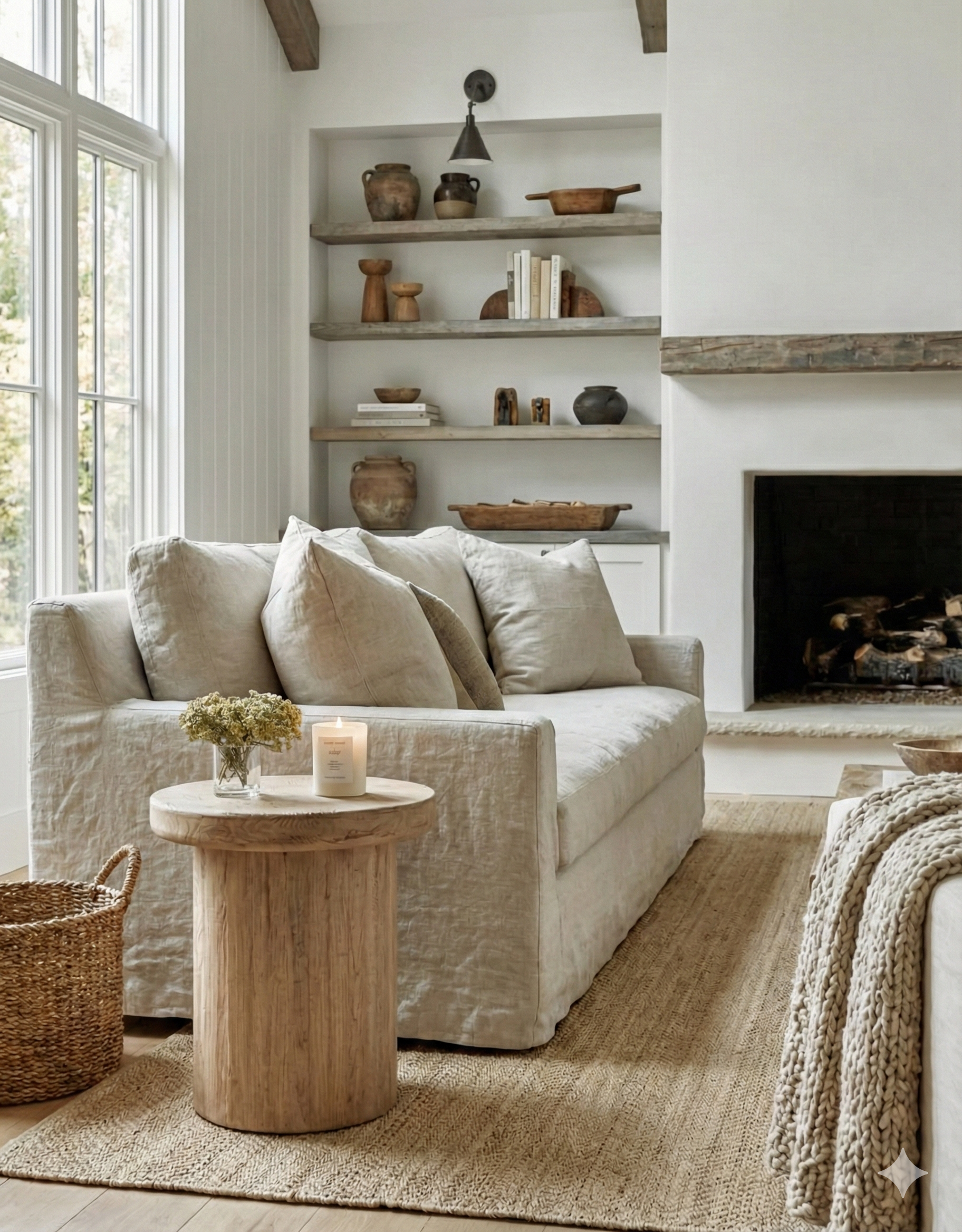
Japandi sits between two traditions that value the same things. Japanese design brings restraint, low profiles and respect for negative space. Scandinavian design brings comfort, practicality and warmth. Together they create rooms that feel calm and uncluttered while still being easy to live in every day.
The Product
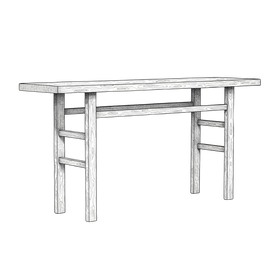
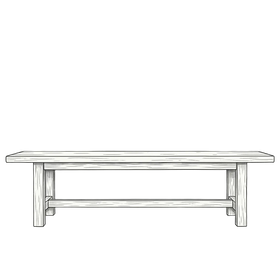
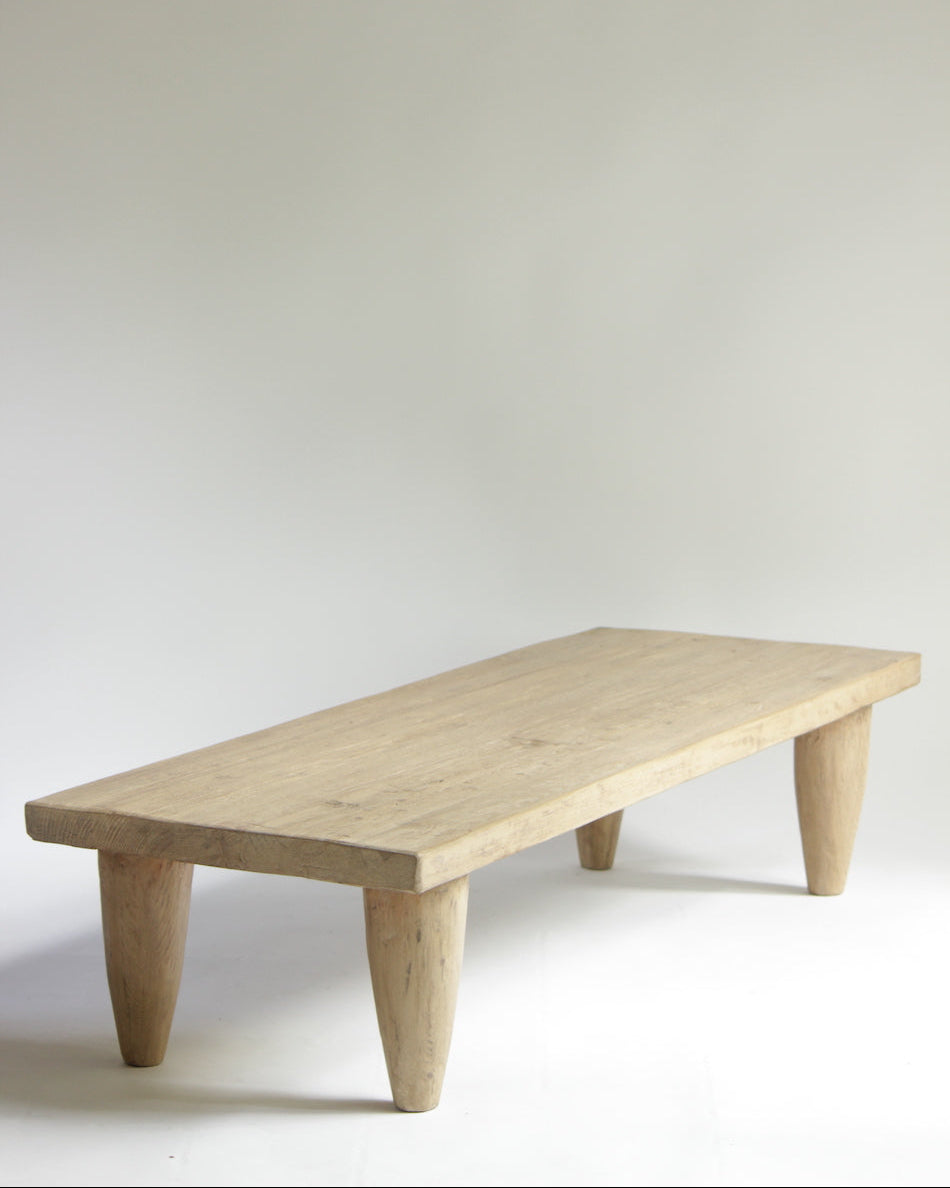
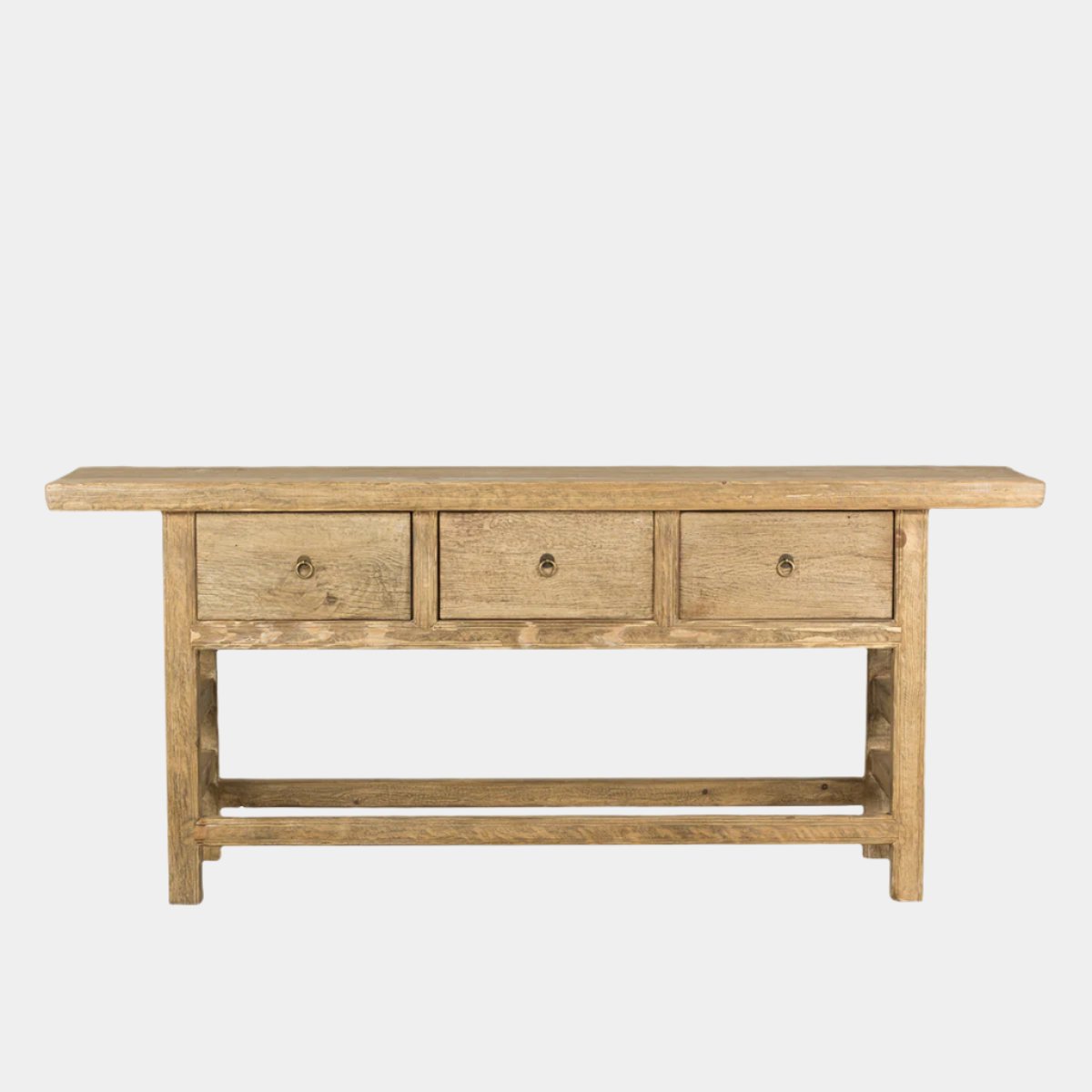
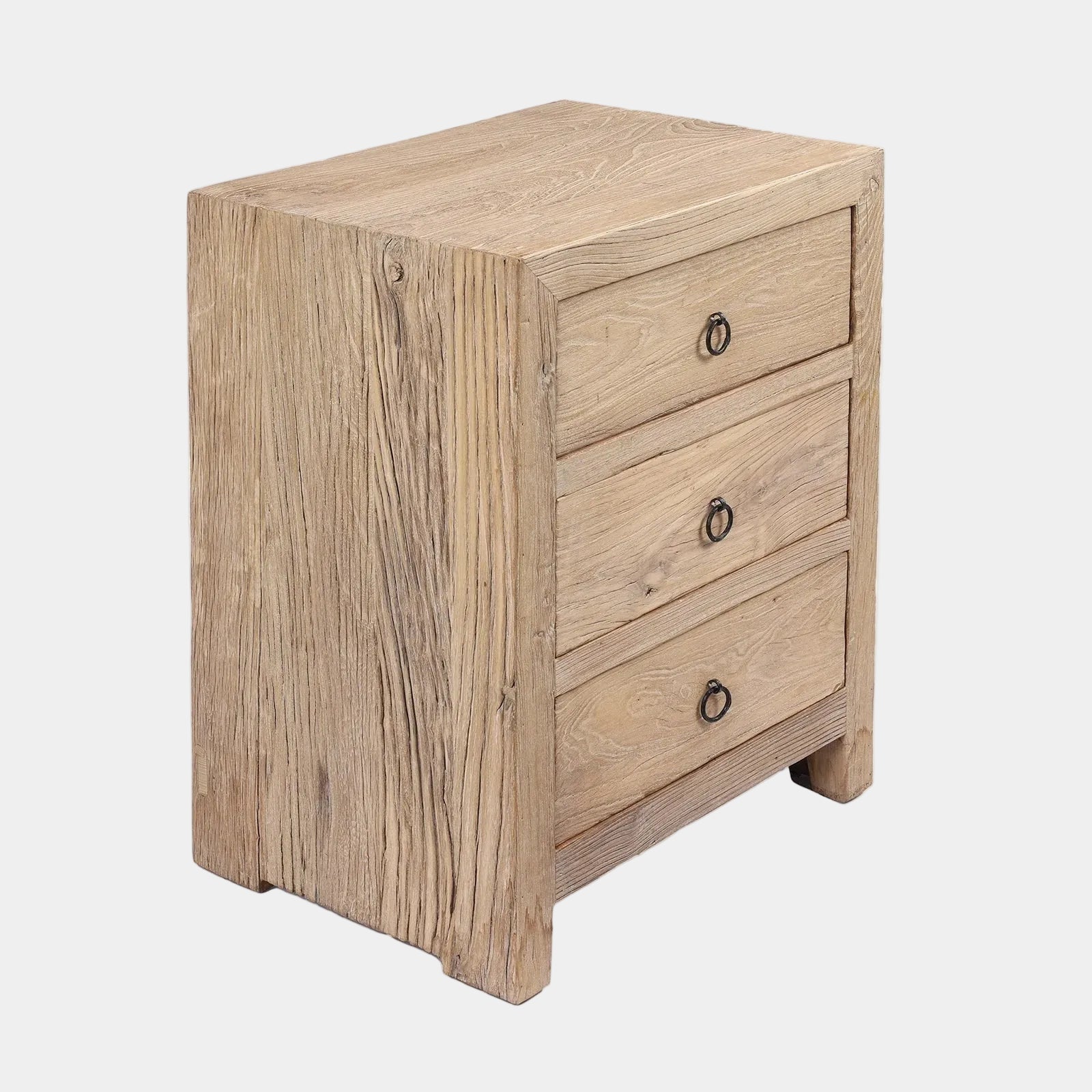
This collection brings together the pieces that strike that balance best. Round and rectangular dining tables with thick solid tops, low coffee tables, compact nightstands, slim consoles and simple benches. The forms are simple, so the grain, knots and texture of the wood carry the room. For dining, see our Japandi Dining Tables.
The Craft
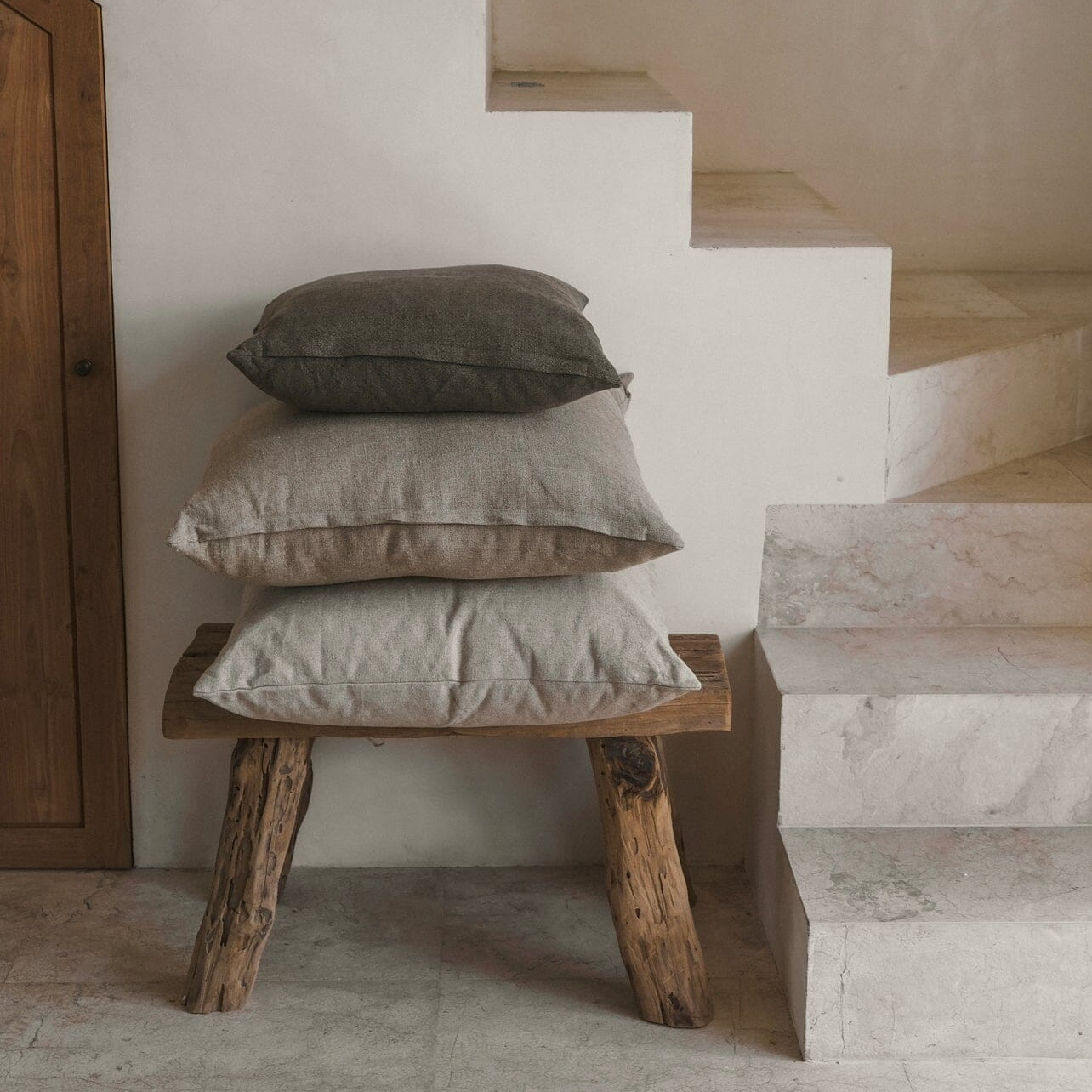
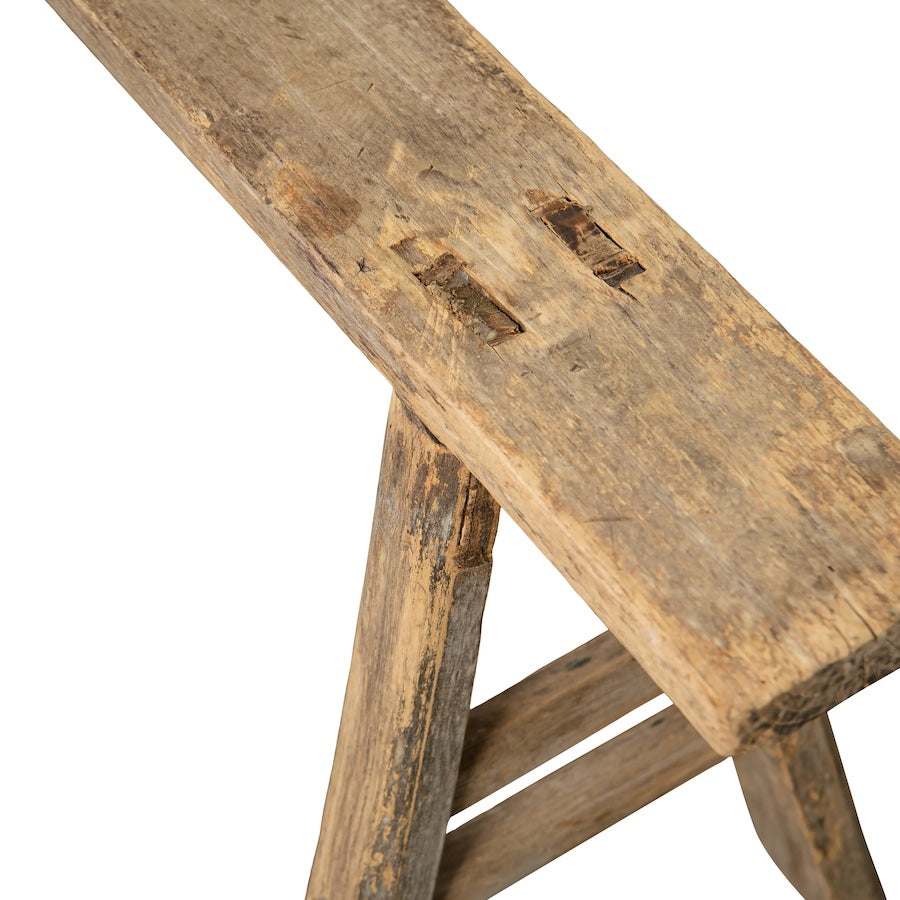
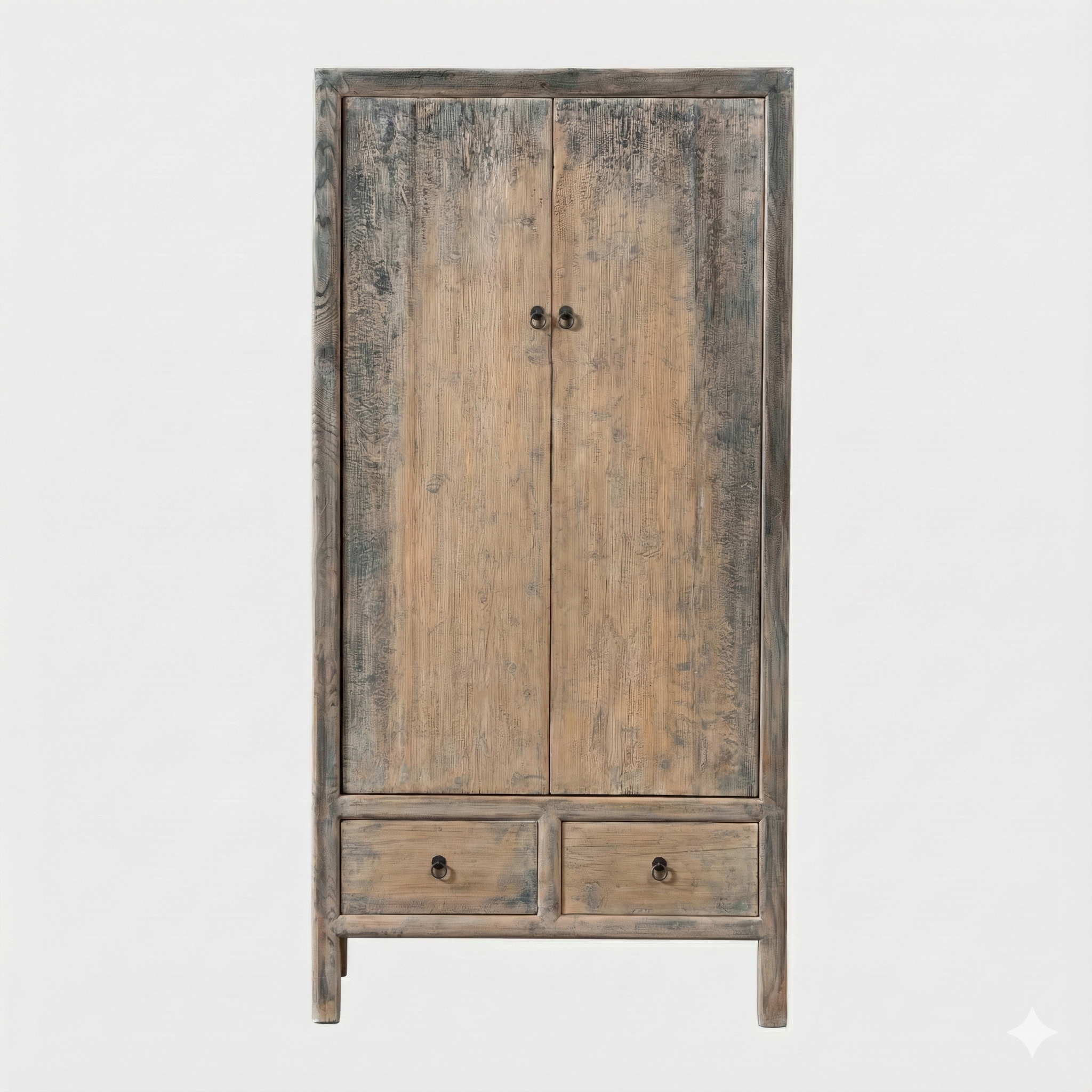
Most pieces are built from solid wood, with the grain left visible rather than covered. Edges and surfaces keep the character of the wood rather than being sanded smooth. For the more weathered side of the same philosophy, explore our Wabi Sabi Furniture.
FAQ
What furniture do I need for a Japandi living room?
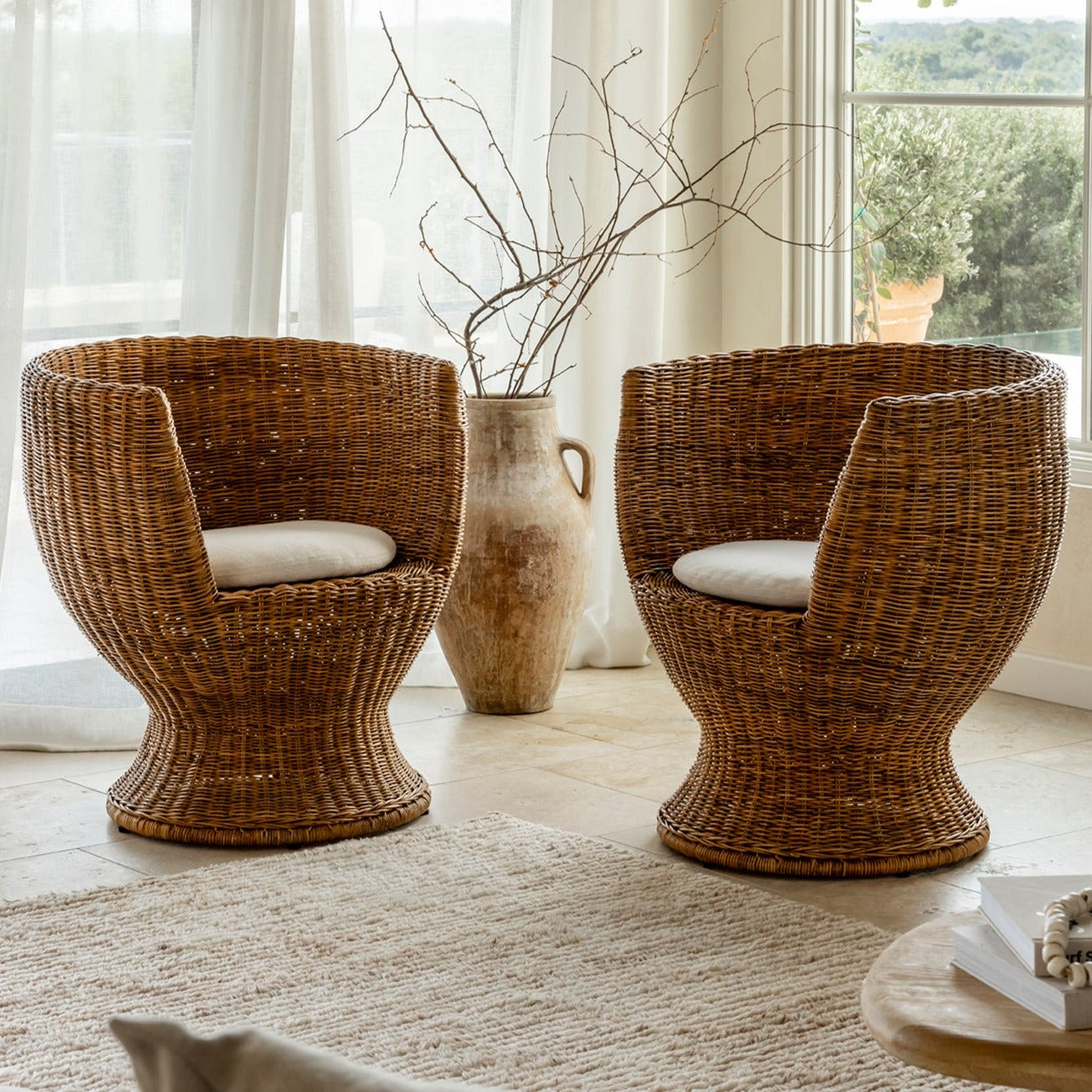
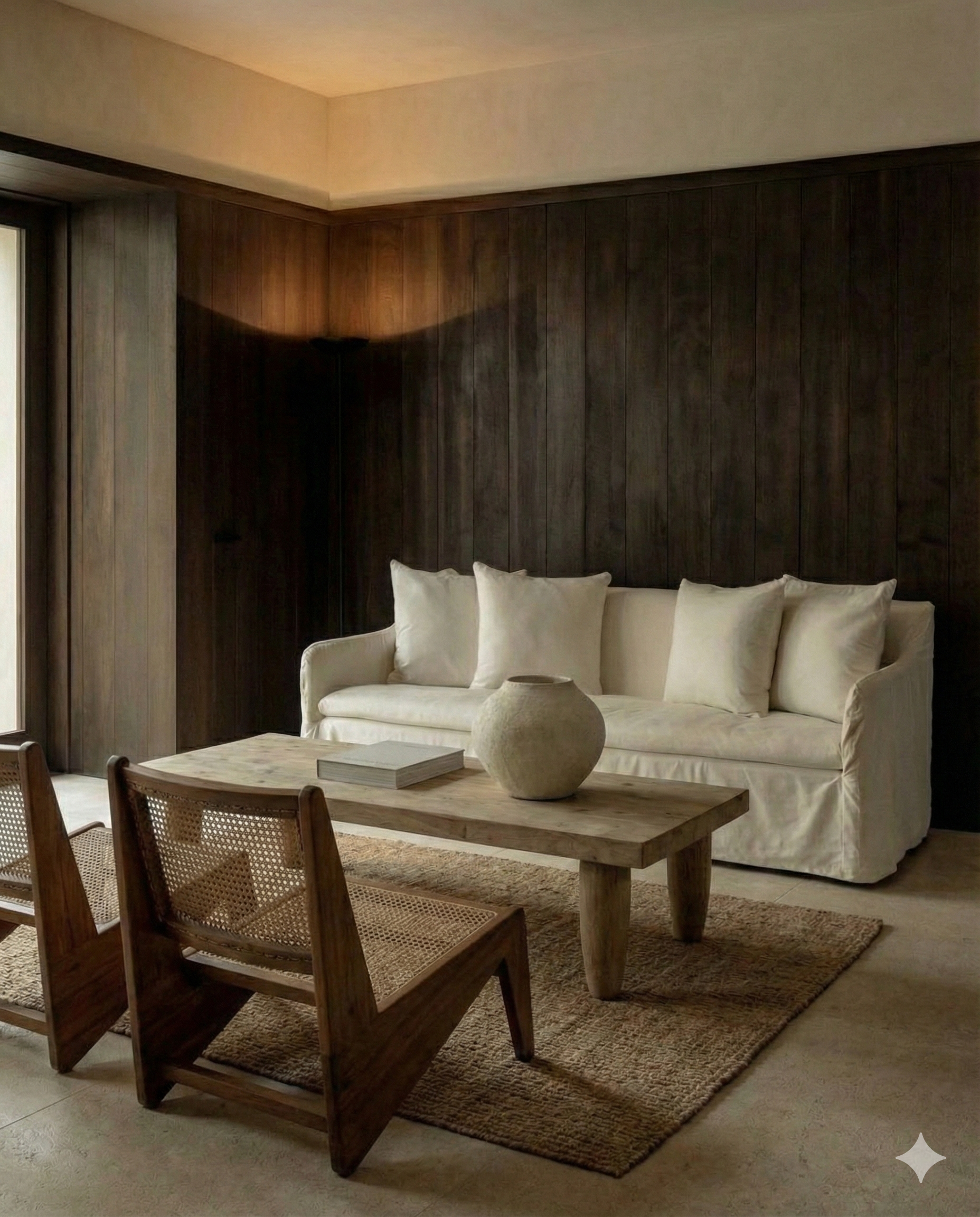
Start with a low coffee table in solid wood, a comfortable sofa in linen or a soft neutral, and one sculptural chair. Add a slim console or low cabinet for closed storage so surfaces stay clear. Keep pieces low to the ground and leave space around each one. A large natural-fiber rug and paper or linen lighting finish the room without adding clutter.
What is the difference between Japandi and wabi sabi?
They share natural materials and a calm palette, but they lean in different directions. Japandi is cleaner and more architectural, with straight lines, balanced proportions and lighter, even finishes. Wabi sabi goes further into imperfection, celebrating patina, knots, cracks and visible age. Many solid elm pieces sit comfortably in both, which makes it easy to blend the two styles in one home.
What colors work in a Japandi home?
Start with a base of warm whites, sand, oatmeal and soft grey, then add wood in natural or darker tones and a few accents in charcoal, black or muted green. Japandi palettes avoid bright color and high contrast across large surfaces. Texture does the work instead, through linen, wool, paper, stone and wood grain, so the room feels layered even when the colors stay quiet.
How do I make a small space feel Japandi?
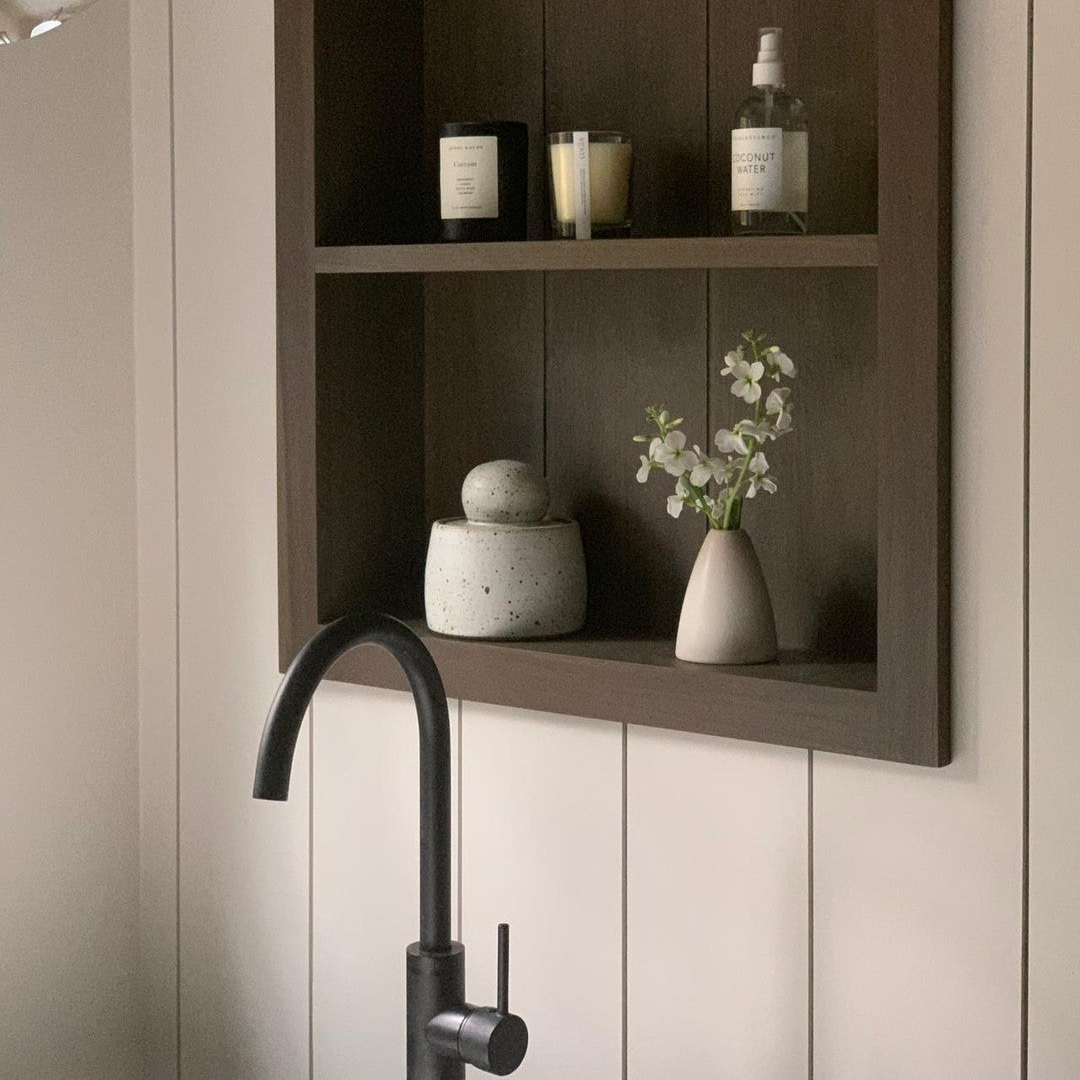
Choose fewer pieces with a lower profile, like a low coffee table, a compact nightstand or a slim console, and keep the floor as open as possible. Pick storage with closed doors so everyday items stay out of sight. Keep surfaces mostly clear, with one or two objects at most. Natural light, a large rug and a single plant go a long way in a small Japandi room.
Does Japandi furniture have to be light wood?
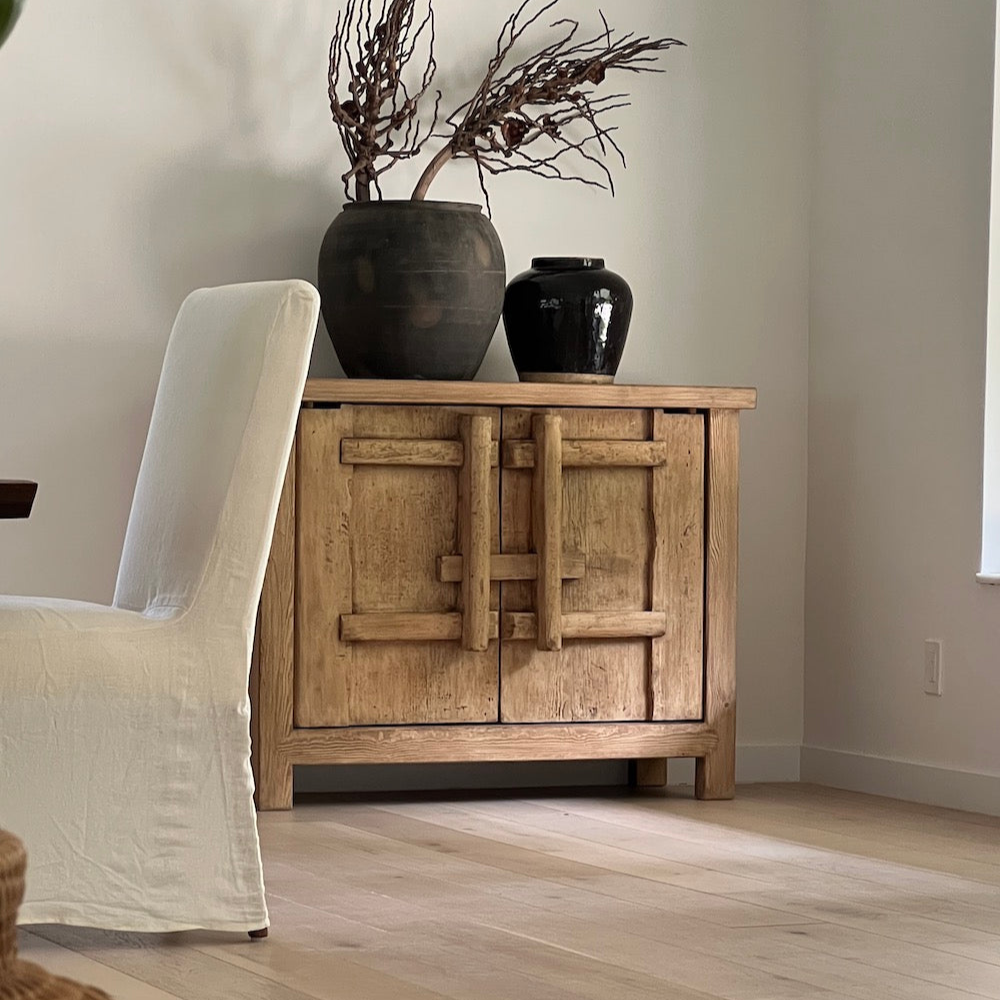
No. Light oak and ash are common, but darker woods and black finishes are just as much part of the style, especially on the Japanese side. A black elm cabinet or a warm natural elm dining table works well, as long as the forms stay simple. Mixing one darker piece with lighter surroundings adds depth and keeps the room from feeling flat.