




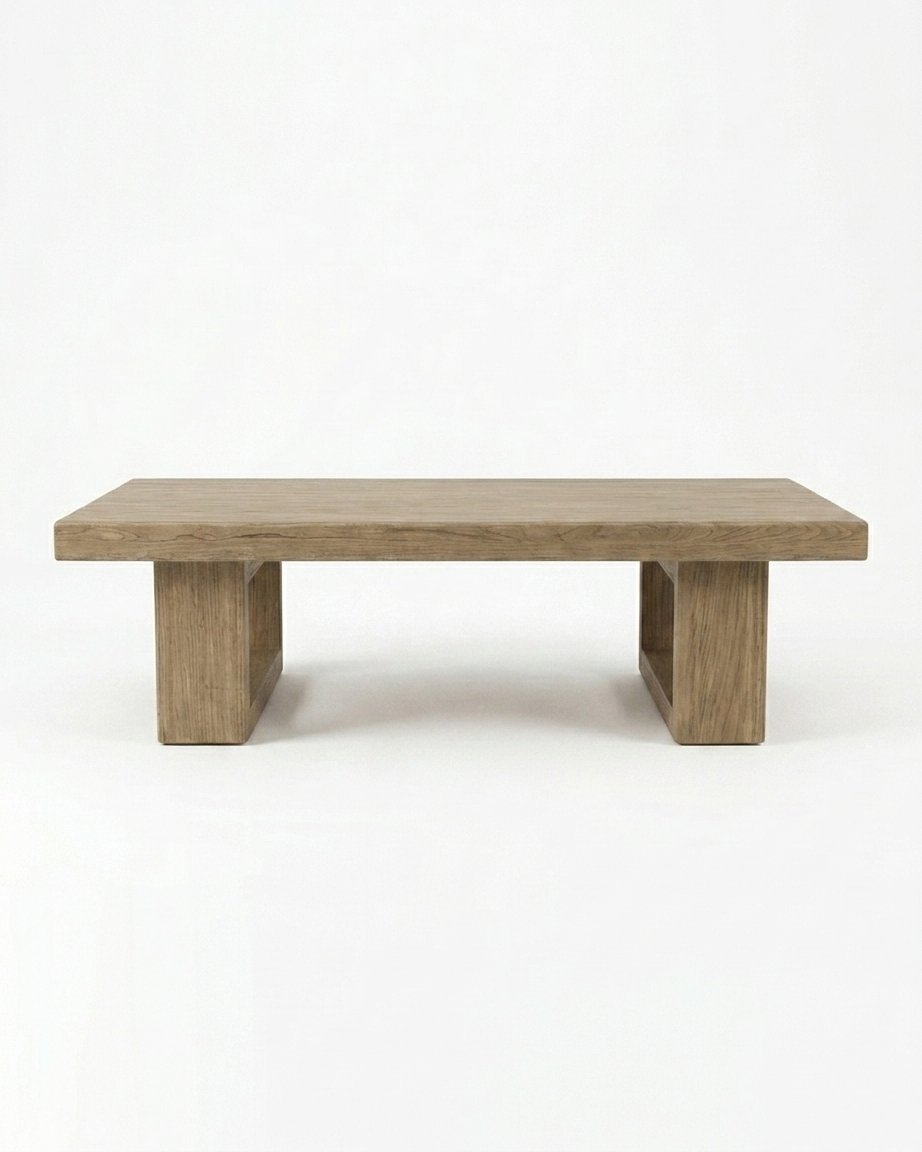
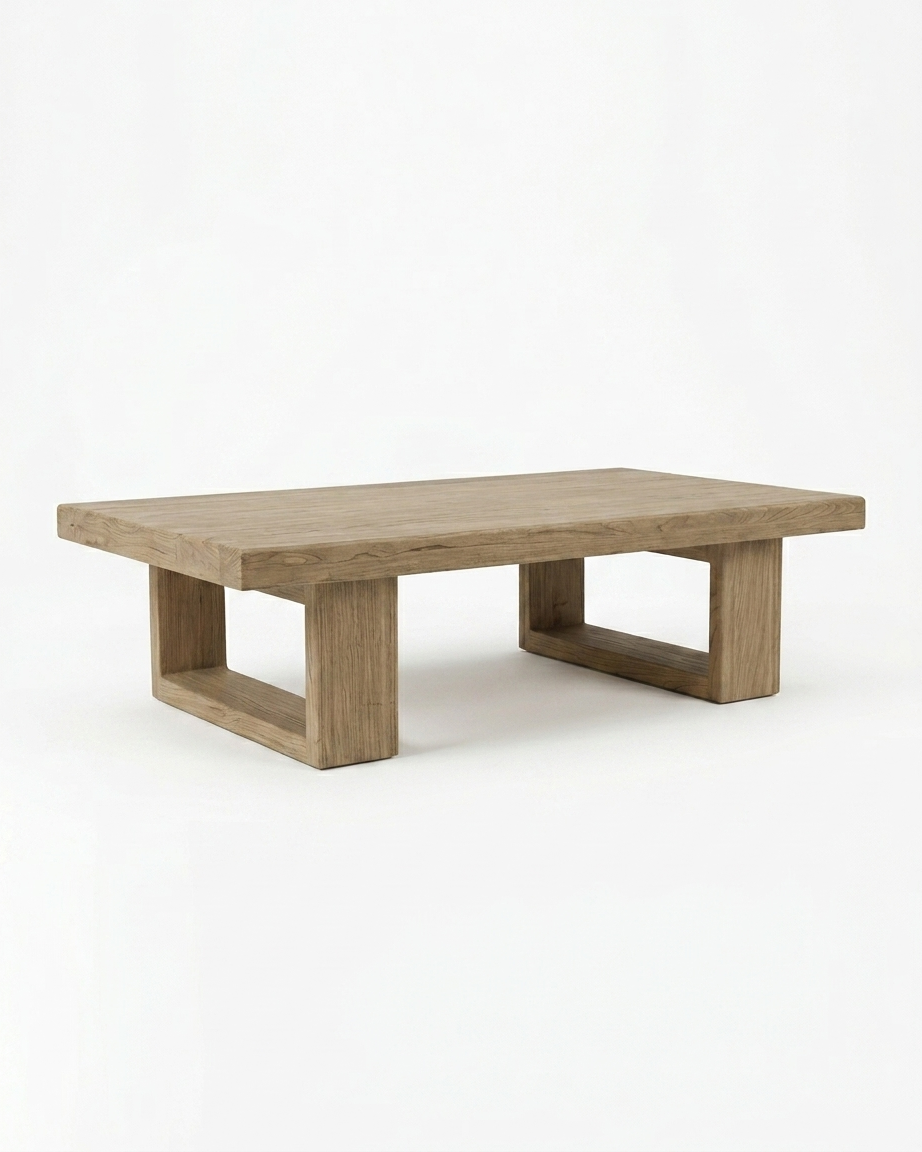
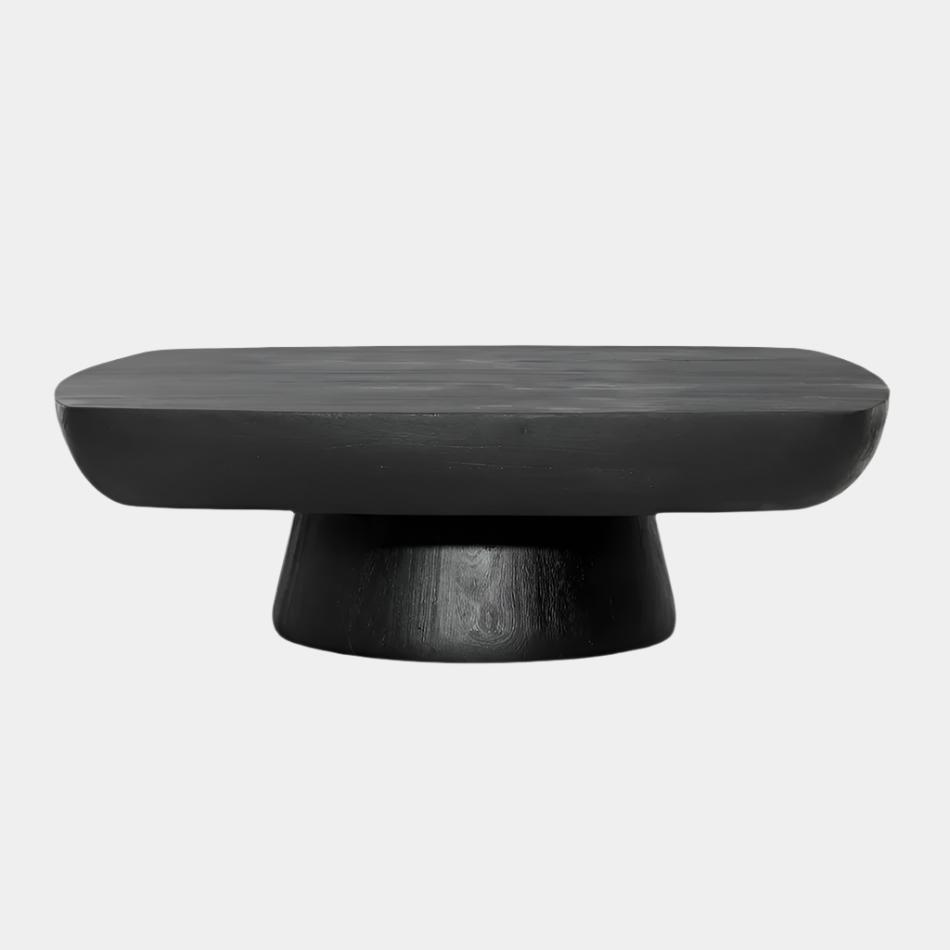
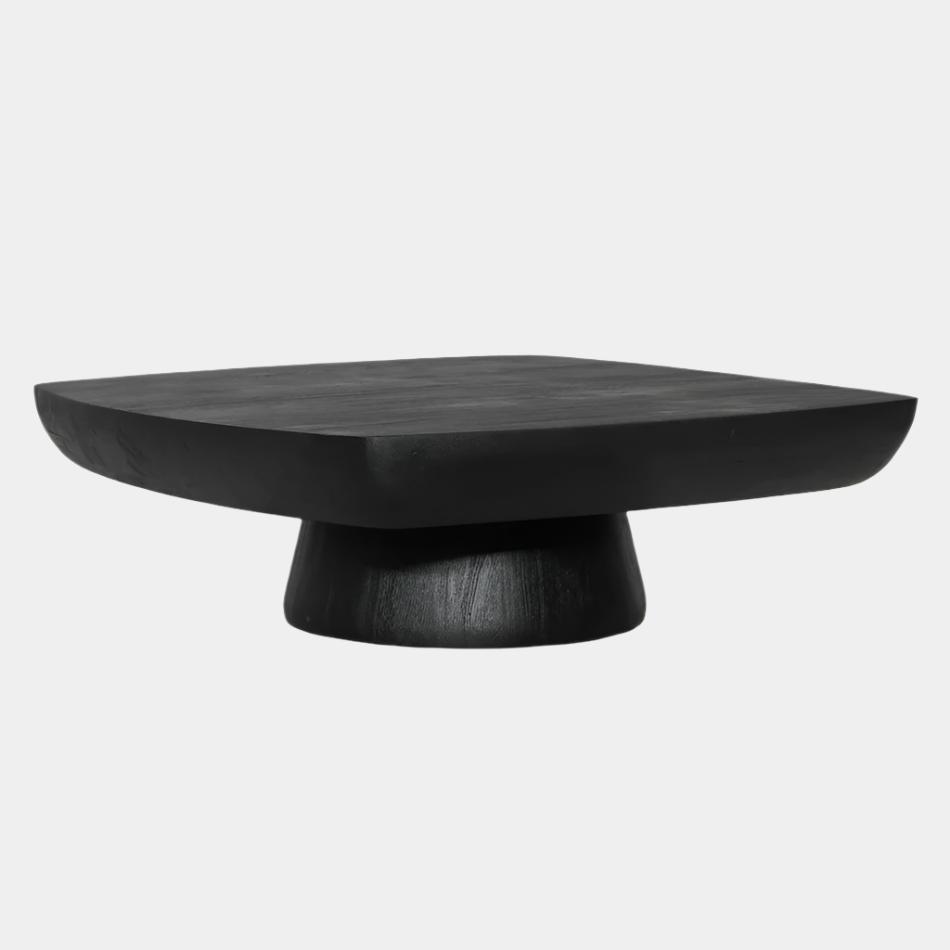
Japandi Coffee Tables
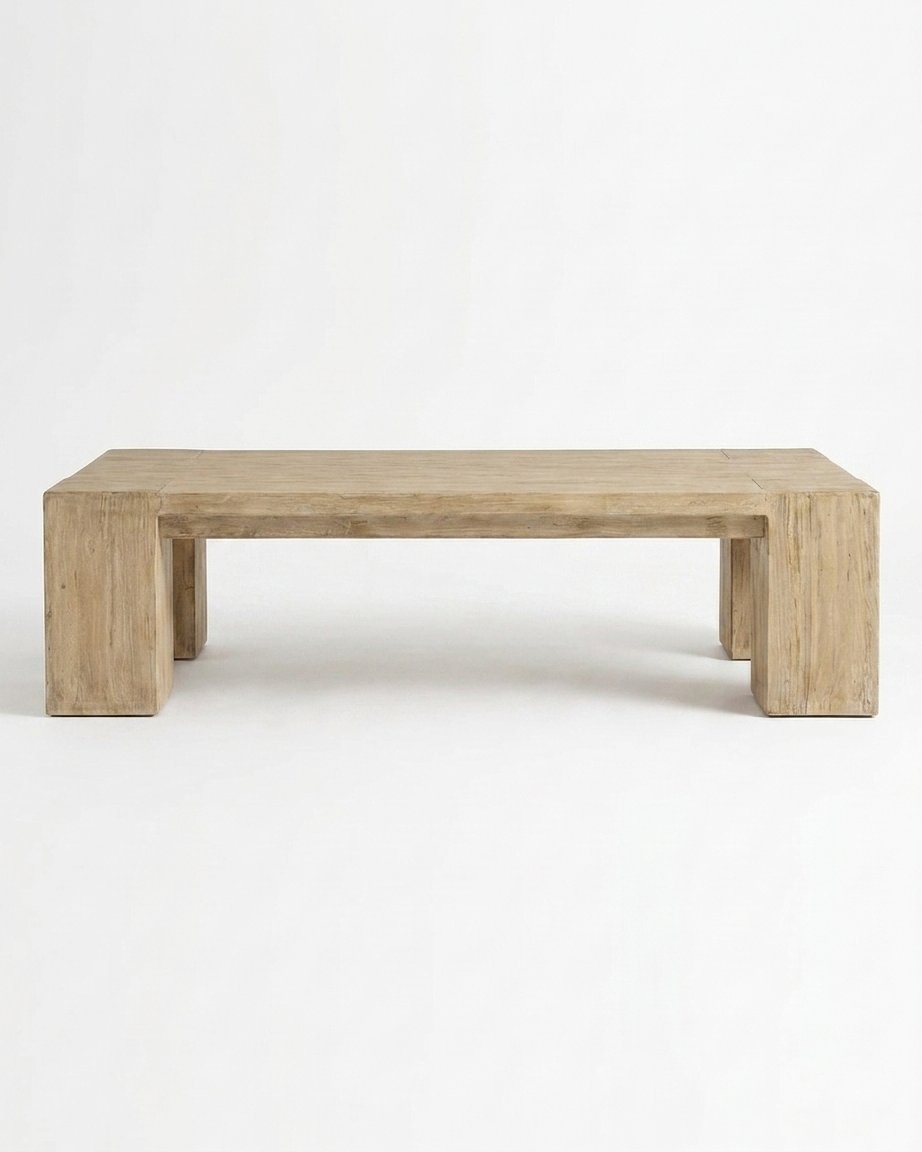
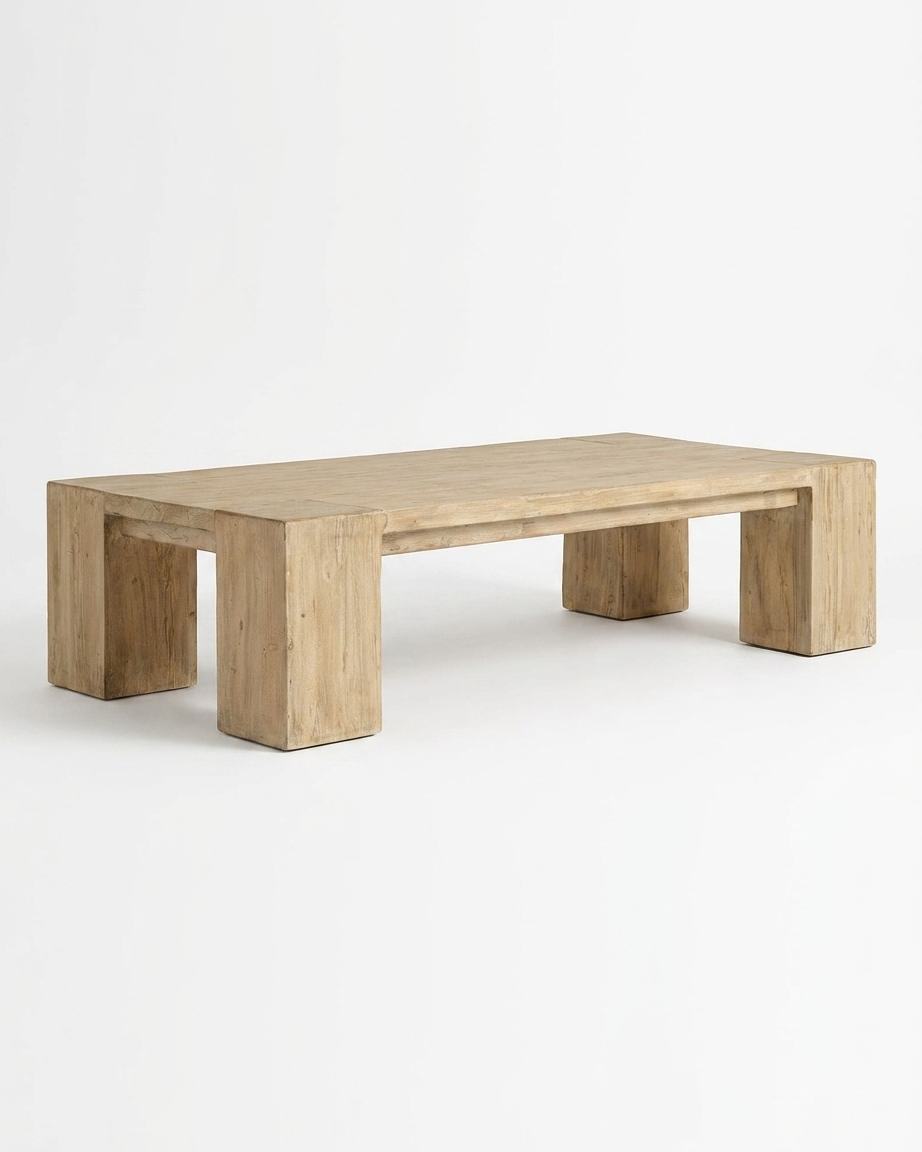
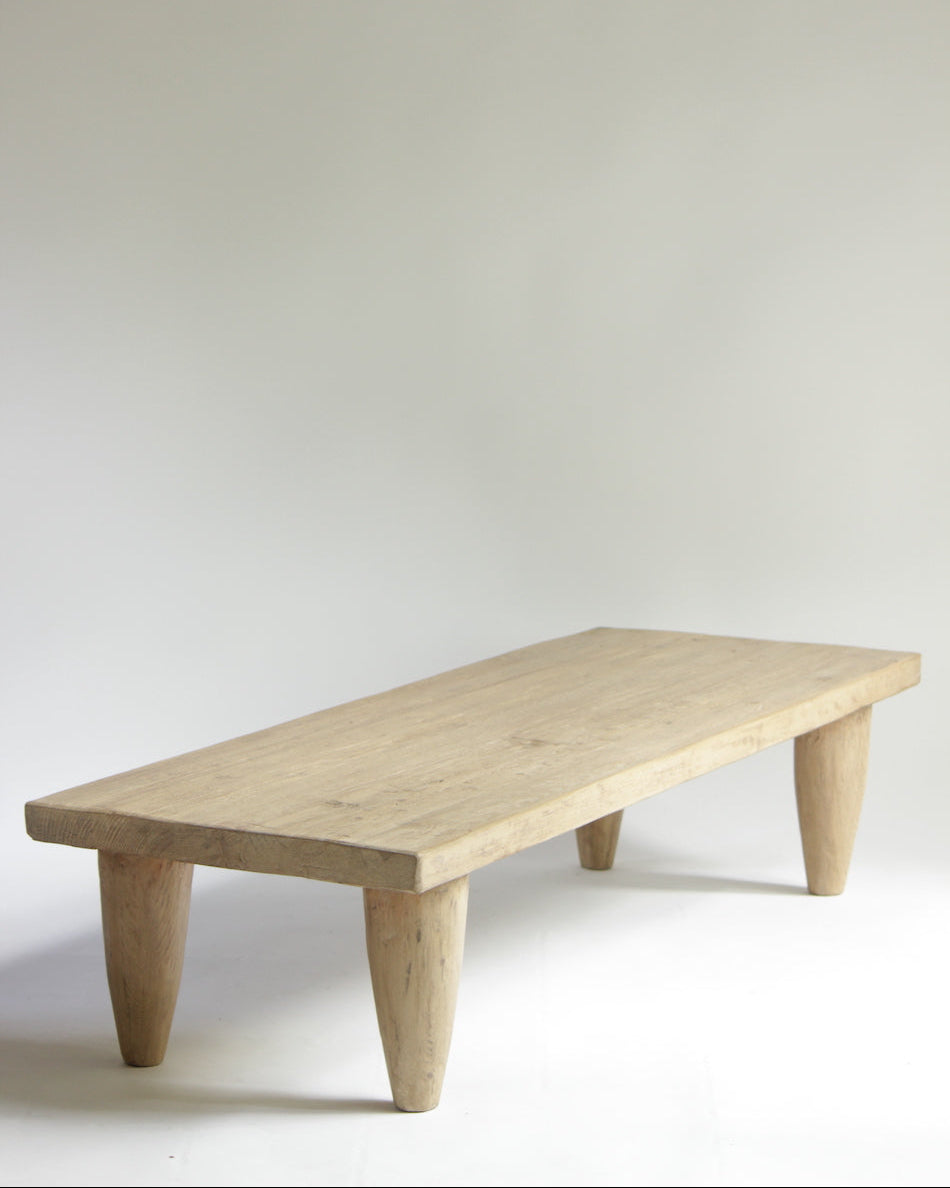
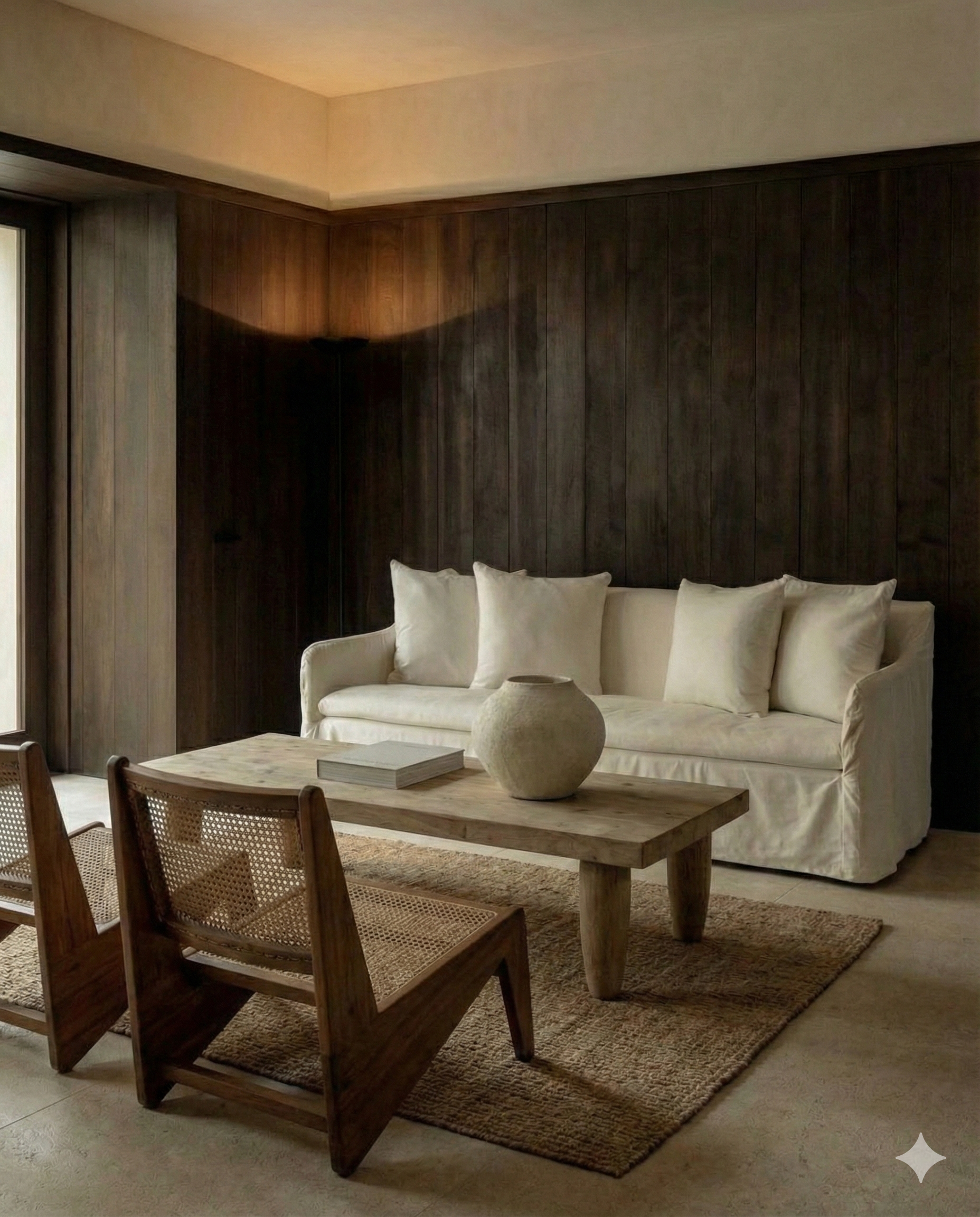
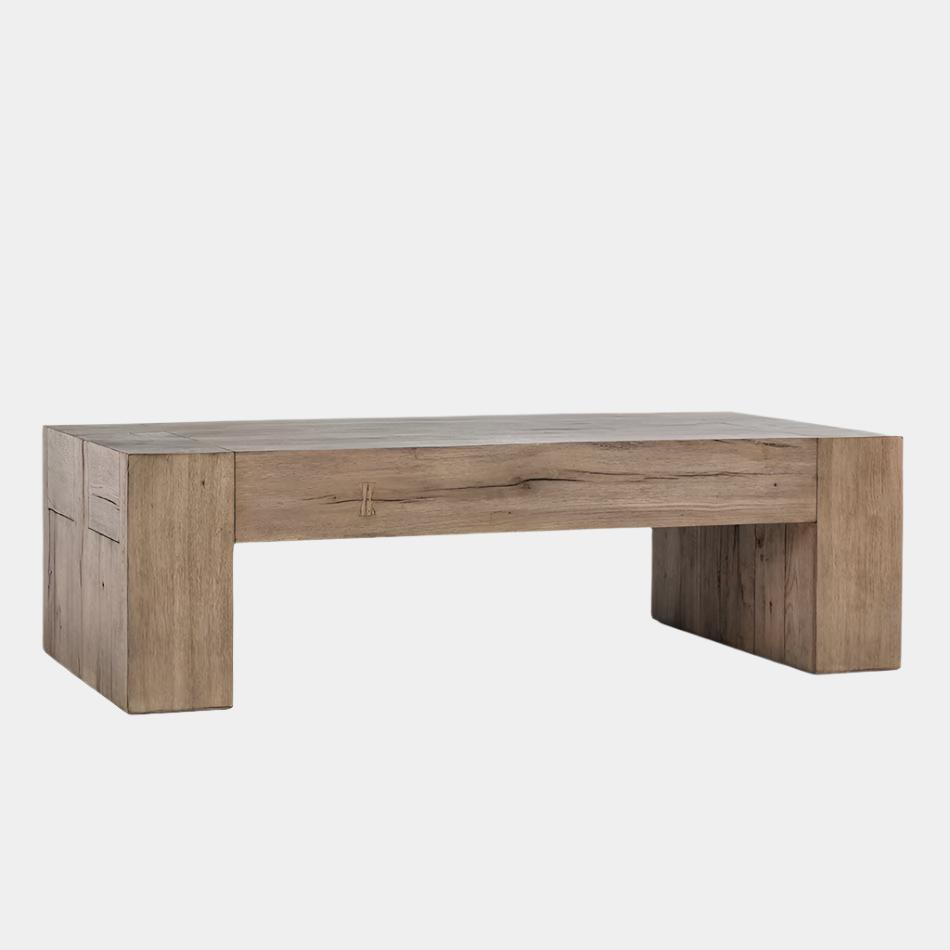
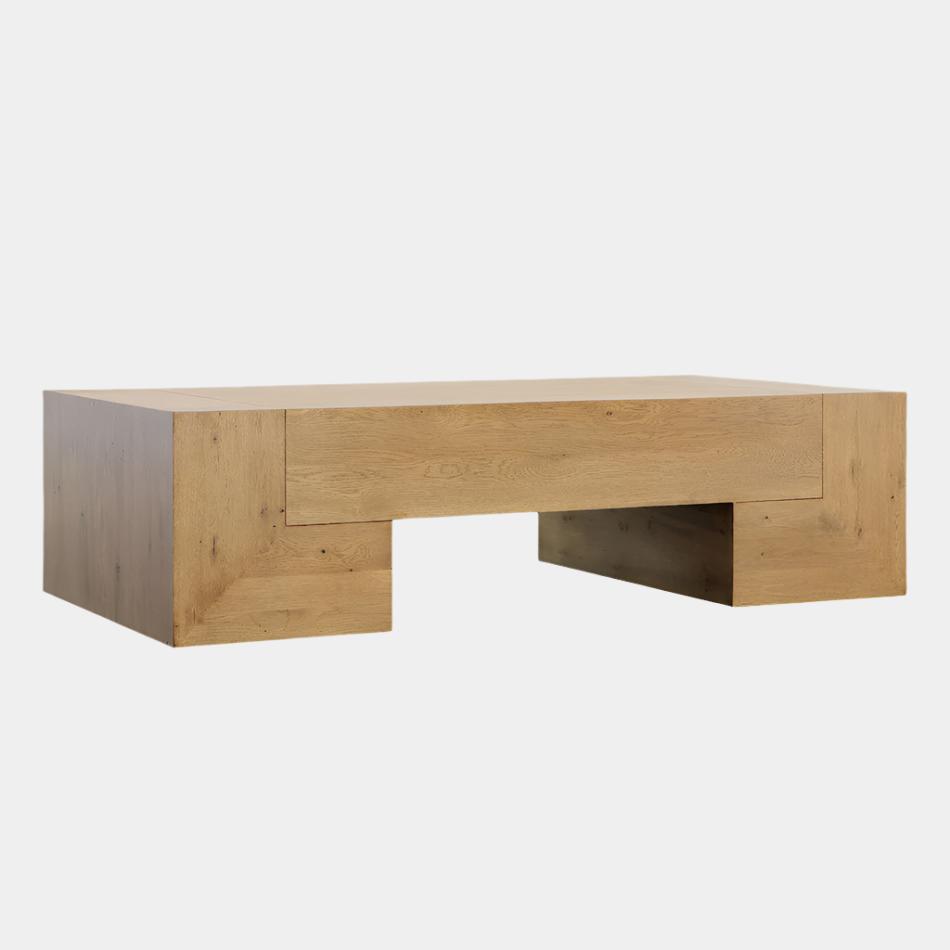
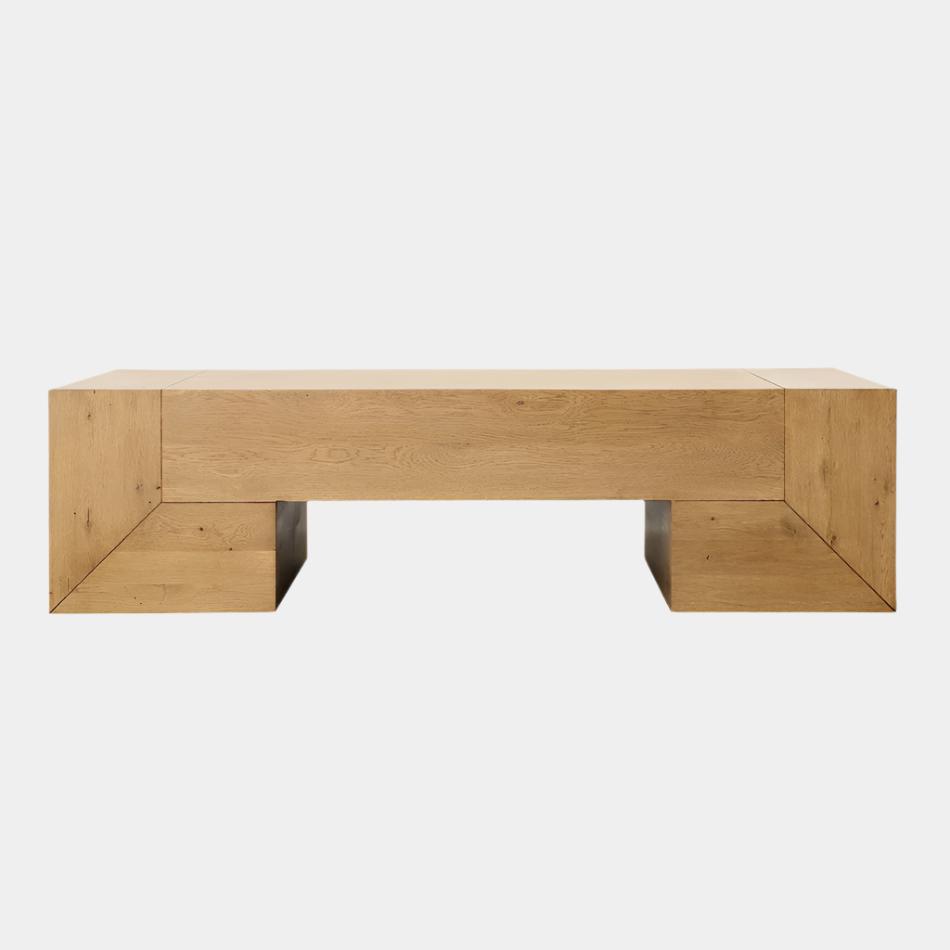
A Japandi coffee table sits low and asks for very little. The shape stays simple, the wood does the talking, and the whole living room settles around it.
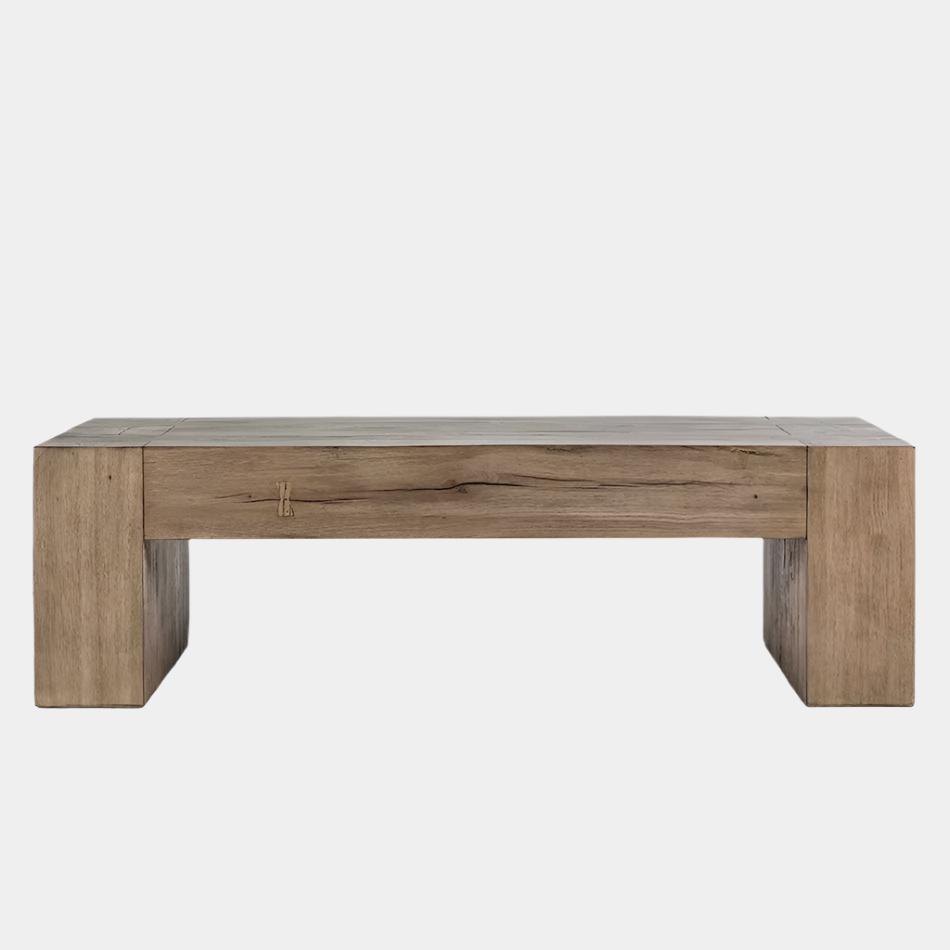
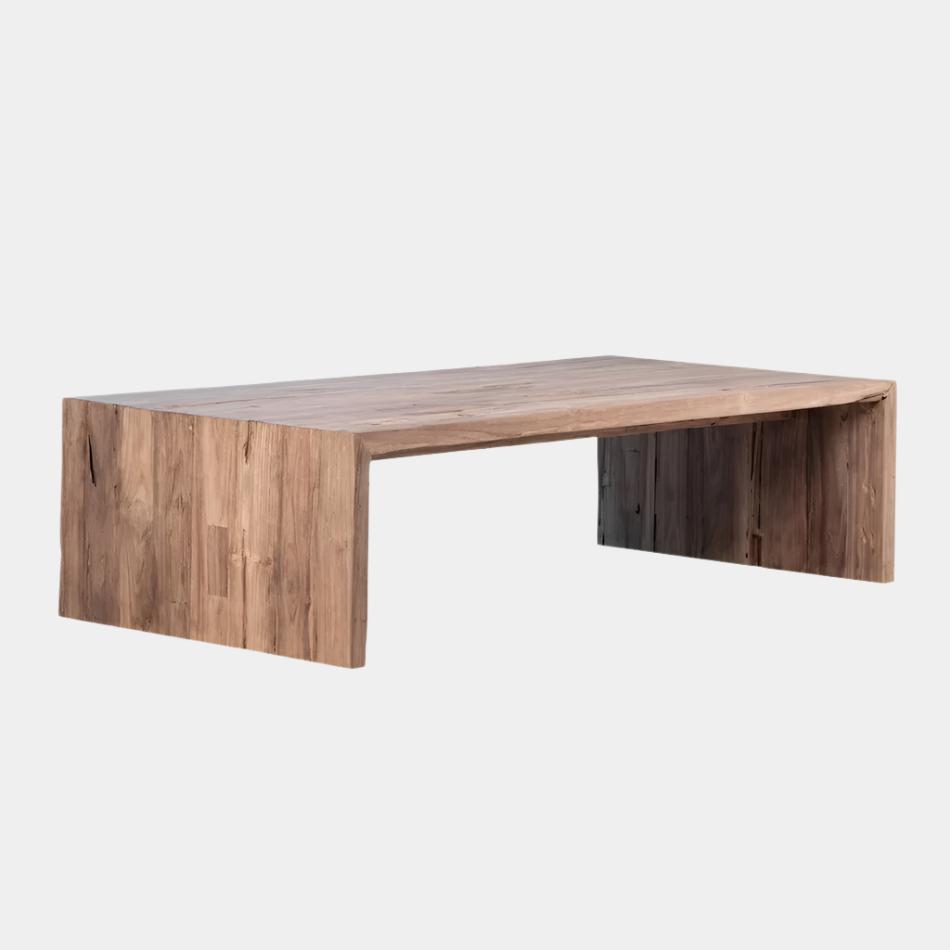
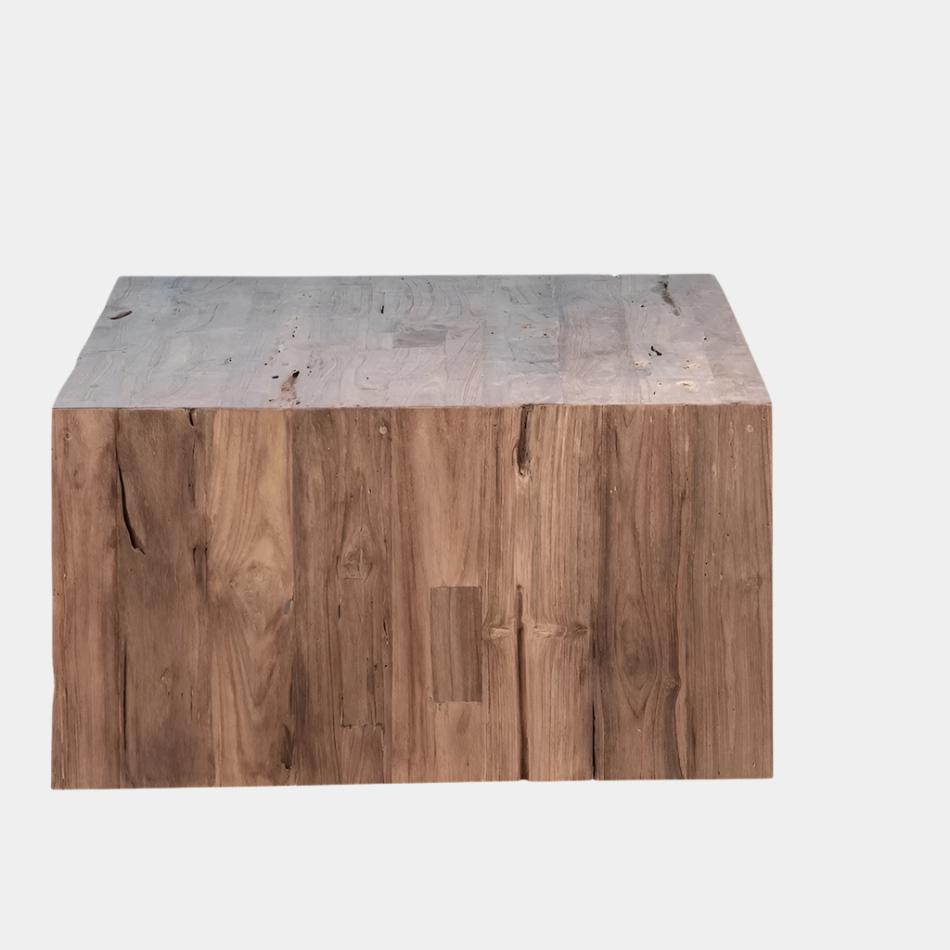
Most of our pieces are made from solid and reclaimed elm, with a few in oak, teak and pine. Each one keeps its grain and knots, and the reclaimed pieces carry small marks of age, so the surface has the texture of something lived with rather than something new. Tones run from pale sand to warm honey.
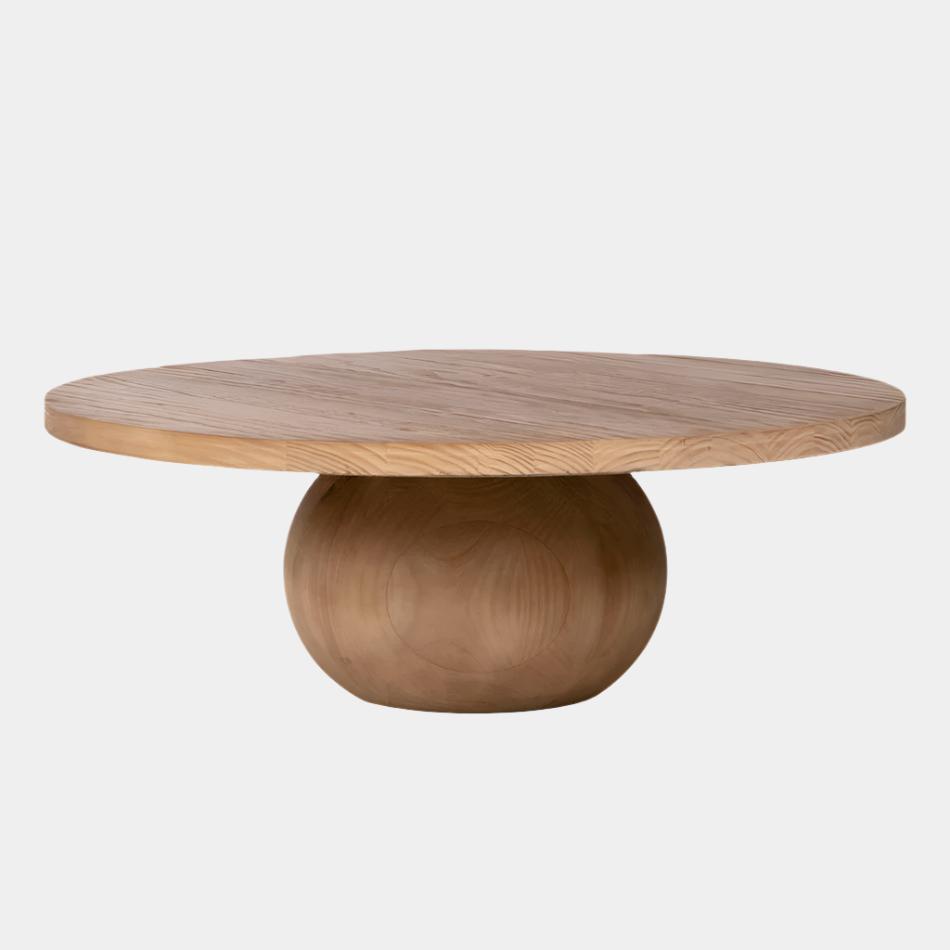
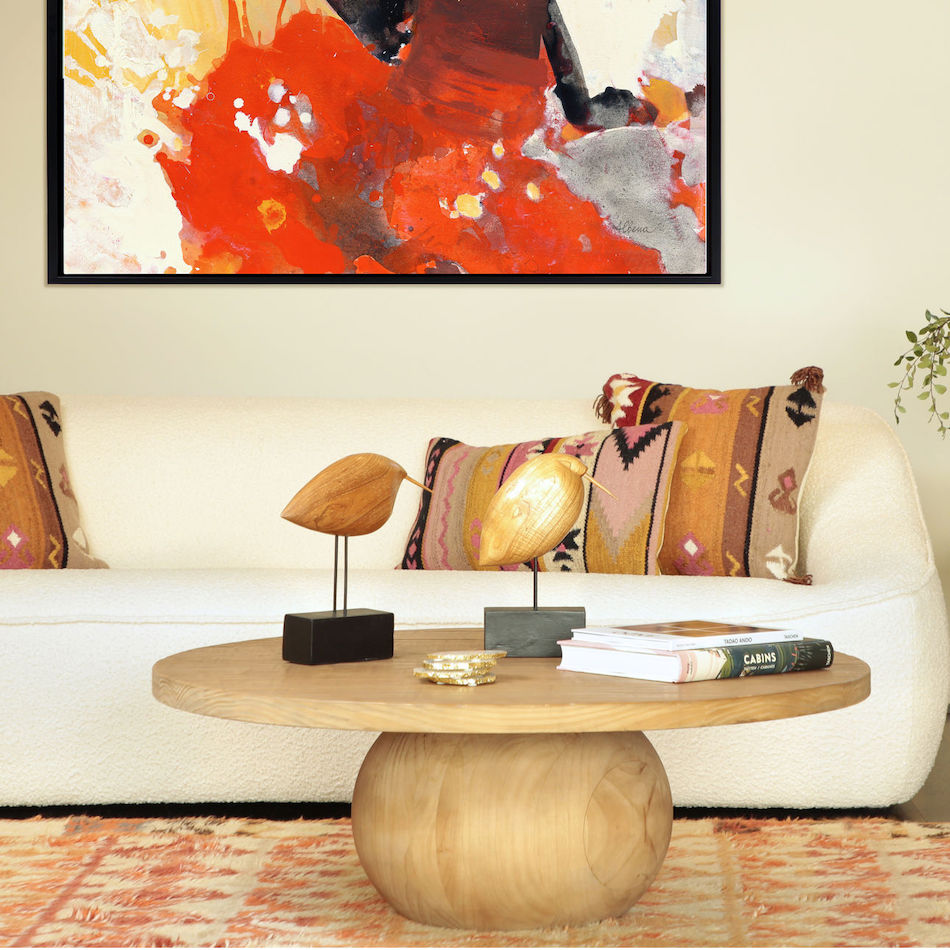
Choose a wide round top to soften a room full of straight lines, or a long rectangular plank that echoes the sofa. Either way, the table becomes the quiet center of the room. To shop every table by the timber it's made from, see our wood coffee tables.
FAQ
What makes a coffee table Japandi?
A Japandi coffee table brings together the restraint of Japanese design and the warmth of Scandinavian living. Look for a low profile, a simple form with no carving or ornament, and natural wood with the grain left visible. Thick tops, solid plank or pedestal bases and softened edges are common. The goal is a piece that feels calm and grounded, where the material carries the design instead of the details.
What height and size coffee table should I get?
Most Japandi coffee tables sit lower than standard, around 14 to 18 inches tall. A good rule is to keep the top level with or slightly below your sofa seat. For length, aim for about two-thirds of the sofa, and leave 16 to 18 inches between the table and the sofa edge so there is room to move while everything stays within reach. A 42 to 48 inch round works well with most three-seat sofas, and a 59 to 60 inch rectangle suits larger sofas and sectionals.
Round or rectangular, which works better in a Japandi living room?
Both fit the style. A round coffee table softens a room with a lot of straight lines, is easier to walk around and works well in front of sectionals and in tighter spaces. A long rectangular table feels more architectural and gives you more surface for books, trays and objects, which suits a long sofa or a narrow room. If you are unsure, follow the shape of your seating, round for an L-shaped sectional and rectangular for a straight sofa.
Which wood is best for a Japandi coffee table?
Elm, oak and teak all work beautifully. Oak reads lighter and more Scandinavian. Teak brings a warm, golden tone and a smooth, even grain. Elm has a bolder, more expressive grain and leans toward the softer, wabi sabi side of Japandi. Reclaimed elm and reclaimed pine add knots, color variation and natural character marks, so no two tables look exactly alike.
How do I care for a solid or reclaimed wood coffee table?
Dust with a soft, dry cloth and wipe spills right away with a slightly damp cloth, then dry the surface. Avoid harsh cleaners and use coasters under glasses, mugs and candles. Keep the table out of strong direct sun and away from heating vents, since big changes in temperature and humidity make solid wood move. Reclaimed wood can show small surface cracks over time. These are part of its character and don't affect the strength of the table.