


Wabi Sabi Dining Tables
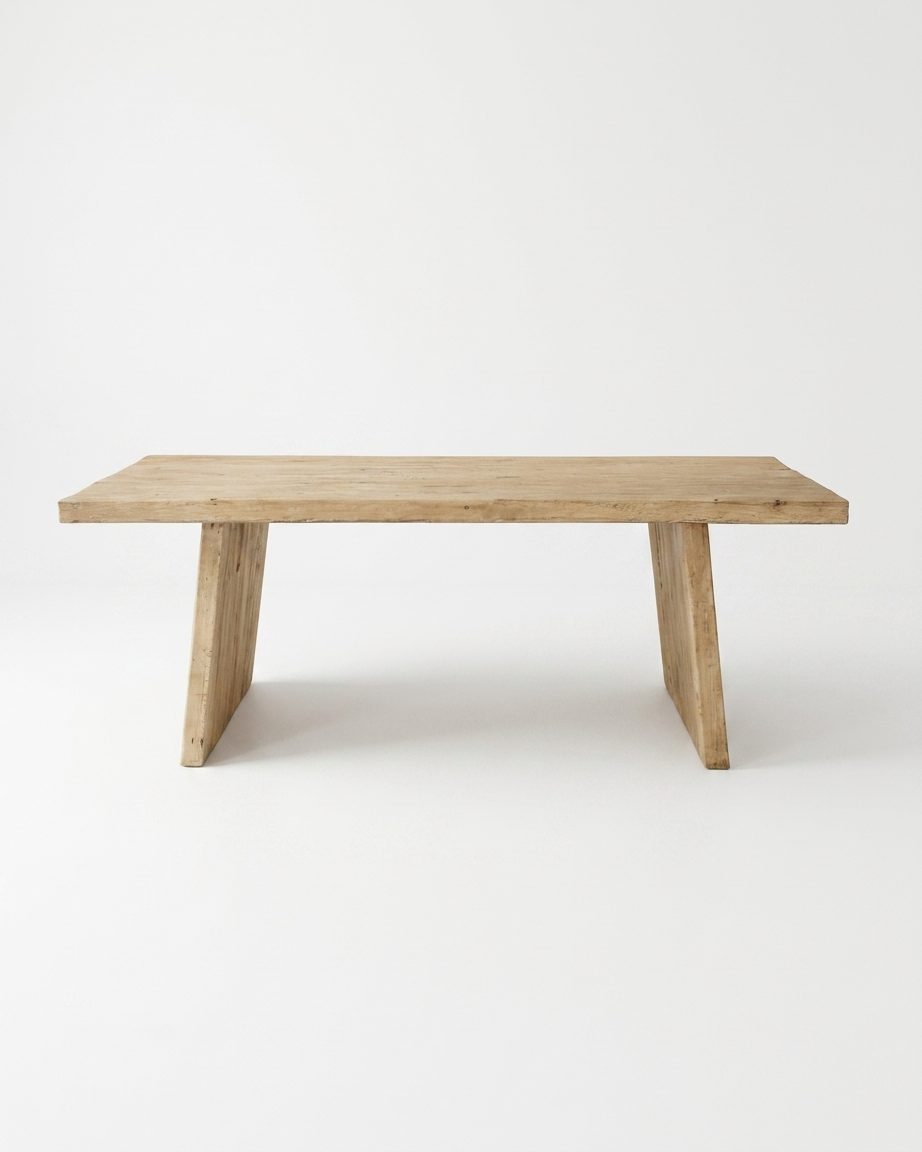
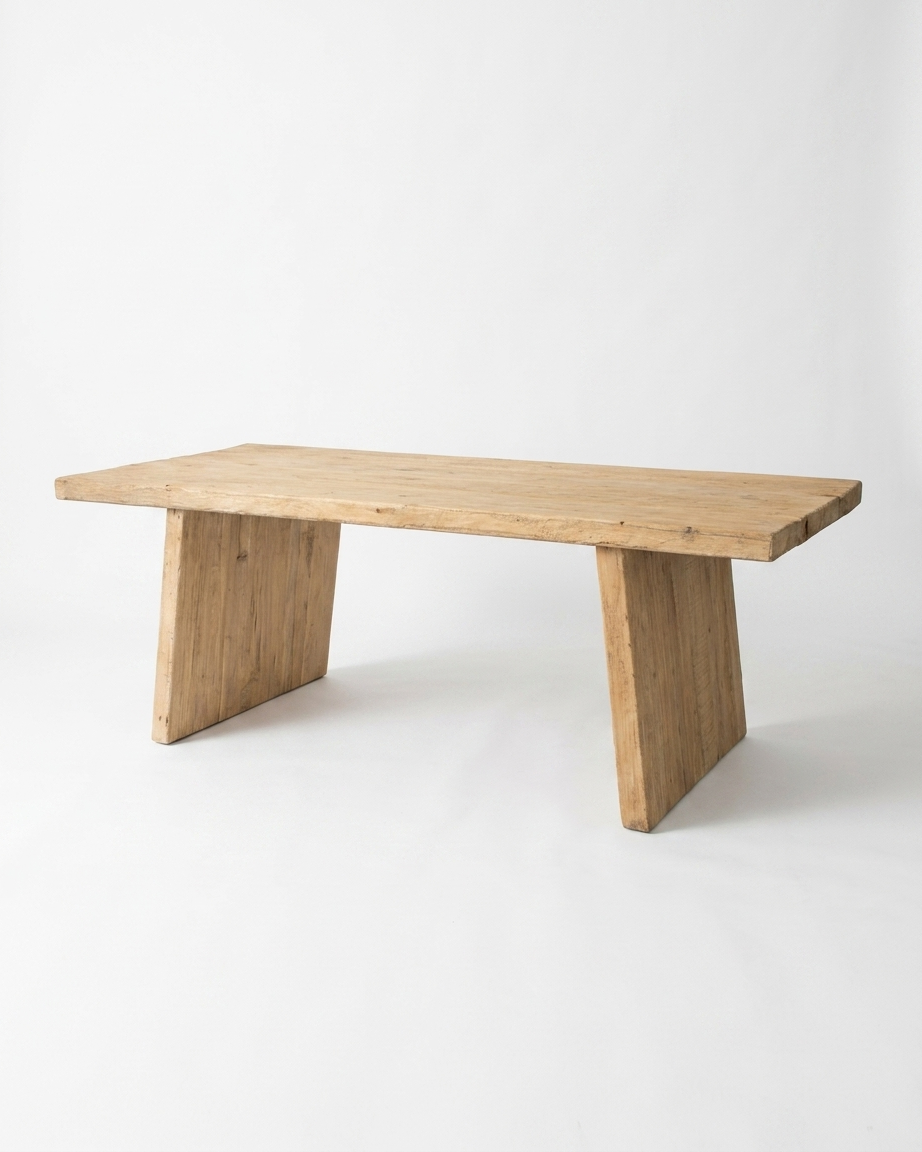
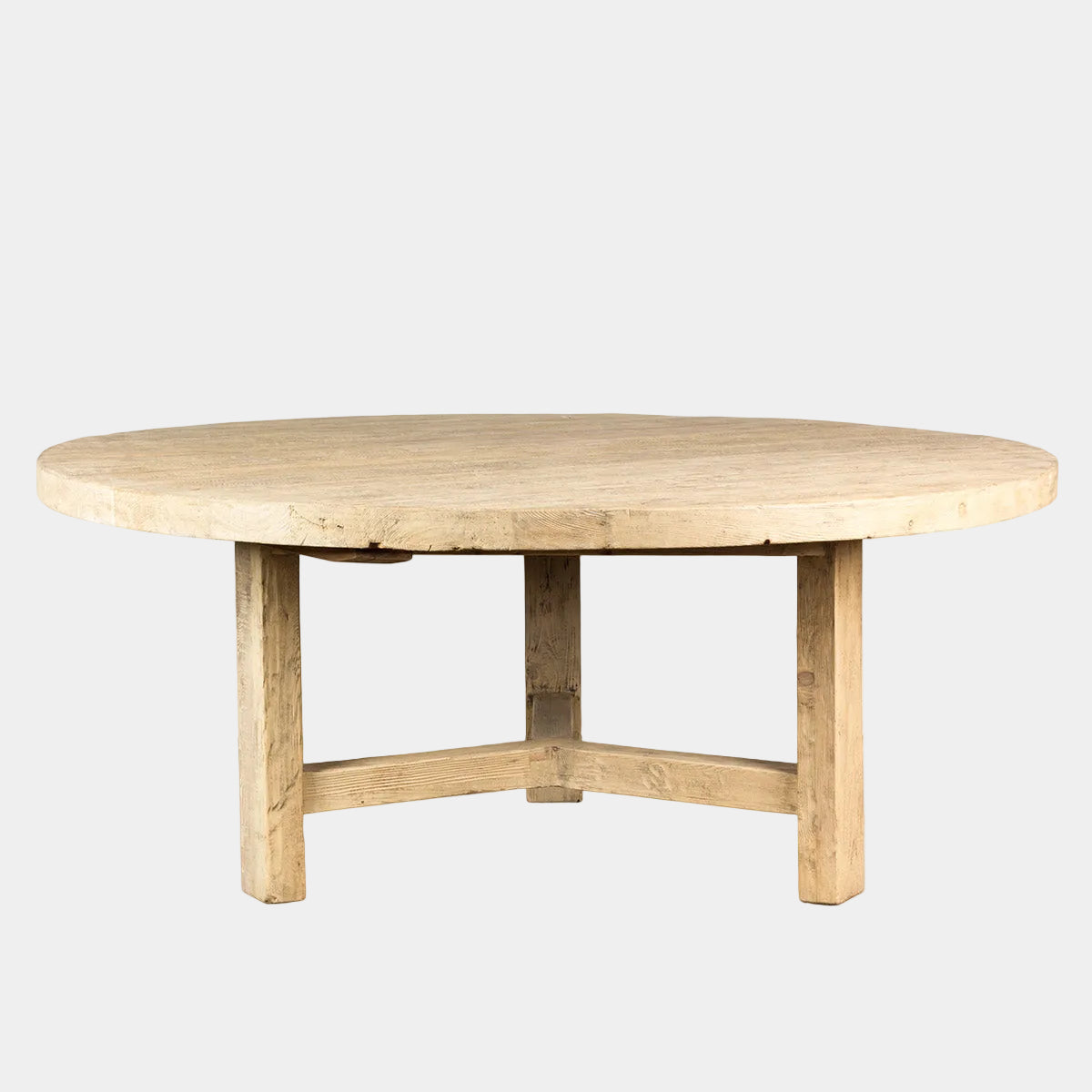
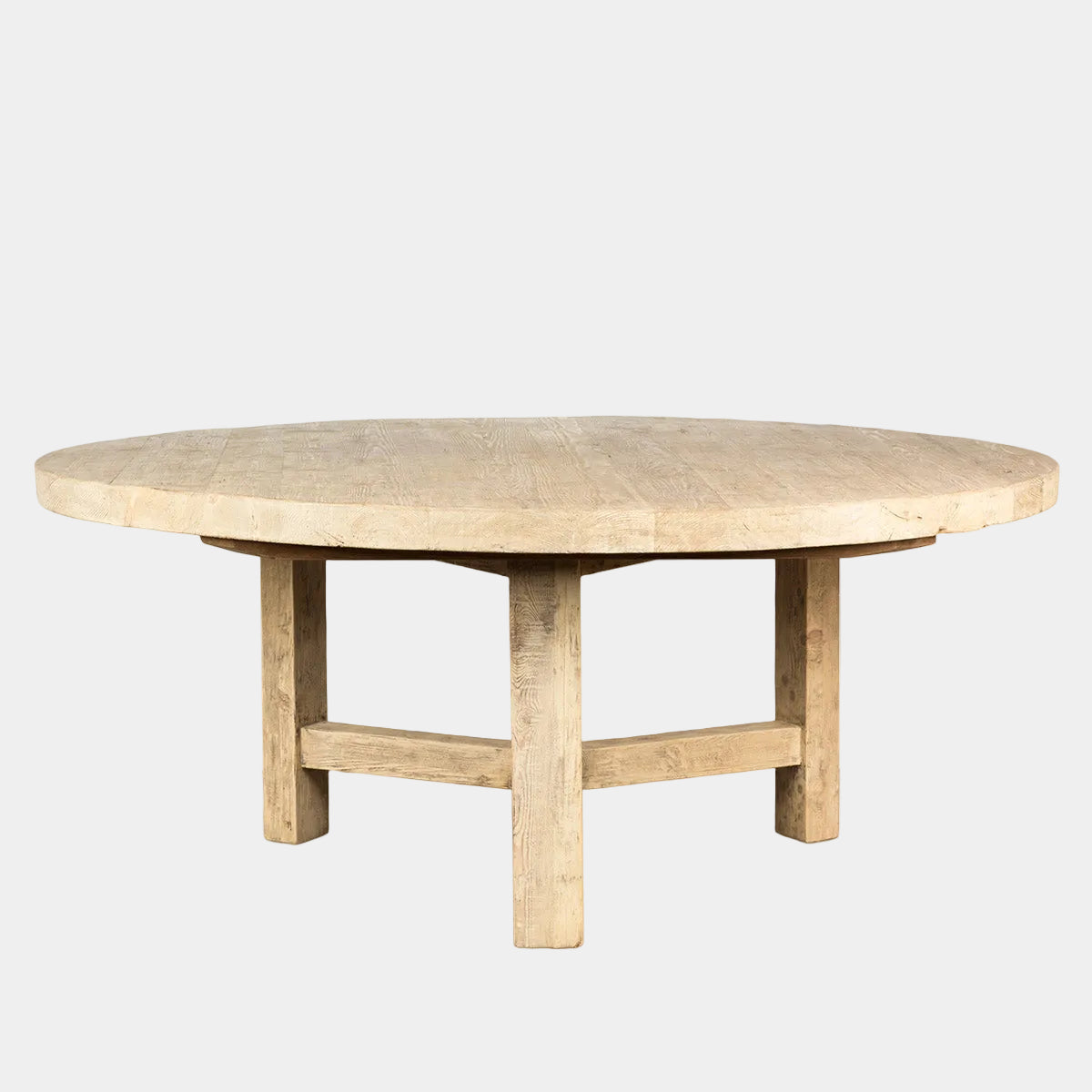
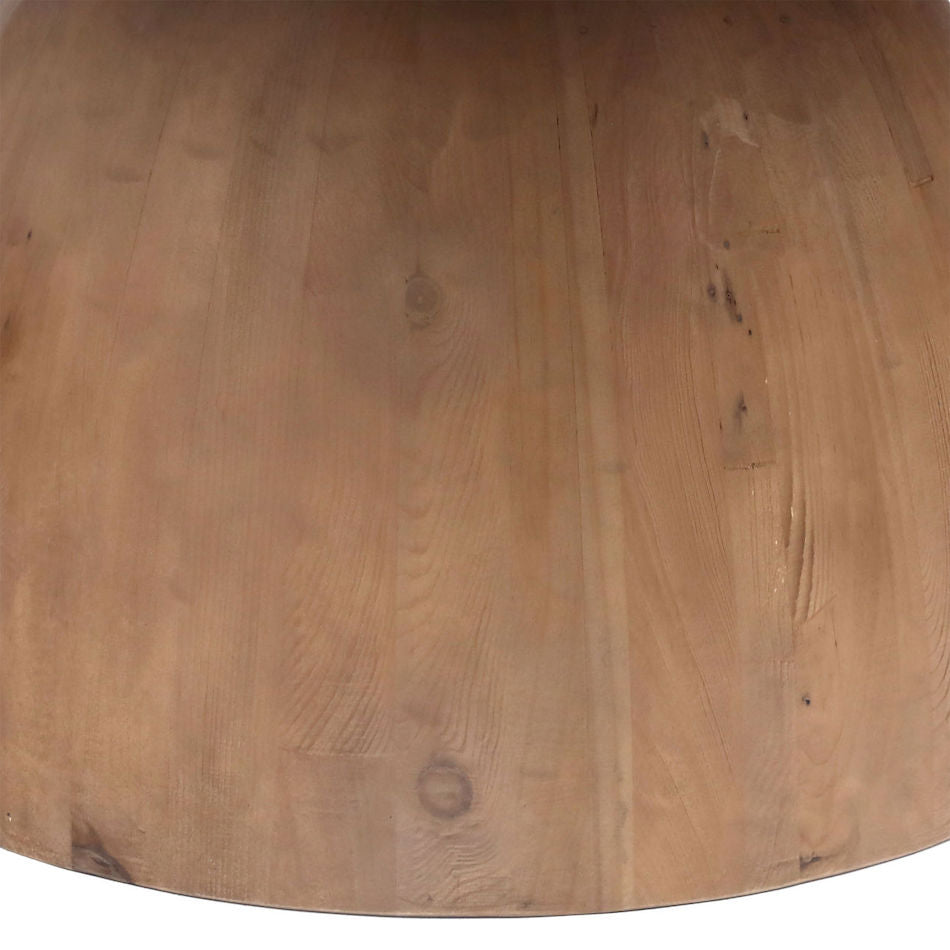
A wabi sabi dining table doesn't try to look new. Knots, seasonal splits, hand repairs and shifts in tone are left in plain sight, and they are the reason the table feels warm from the first meal.
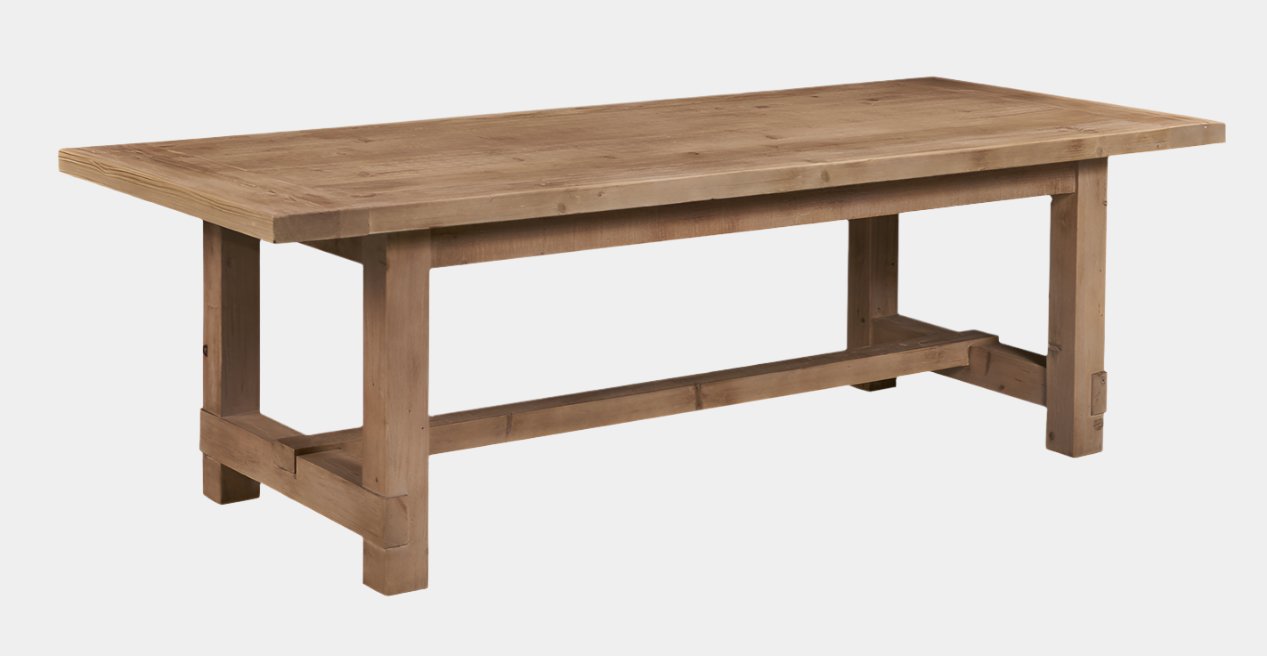
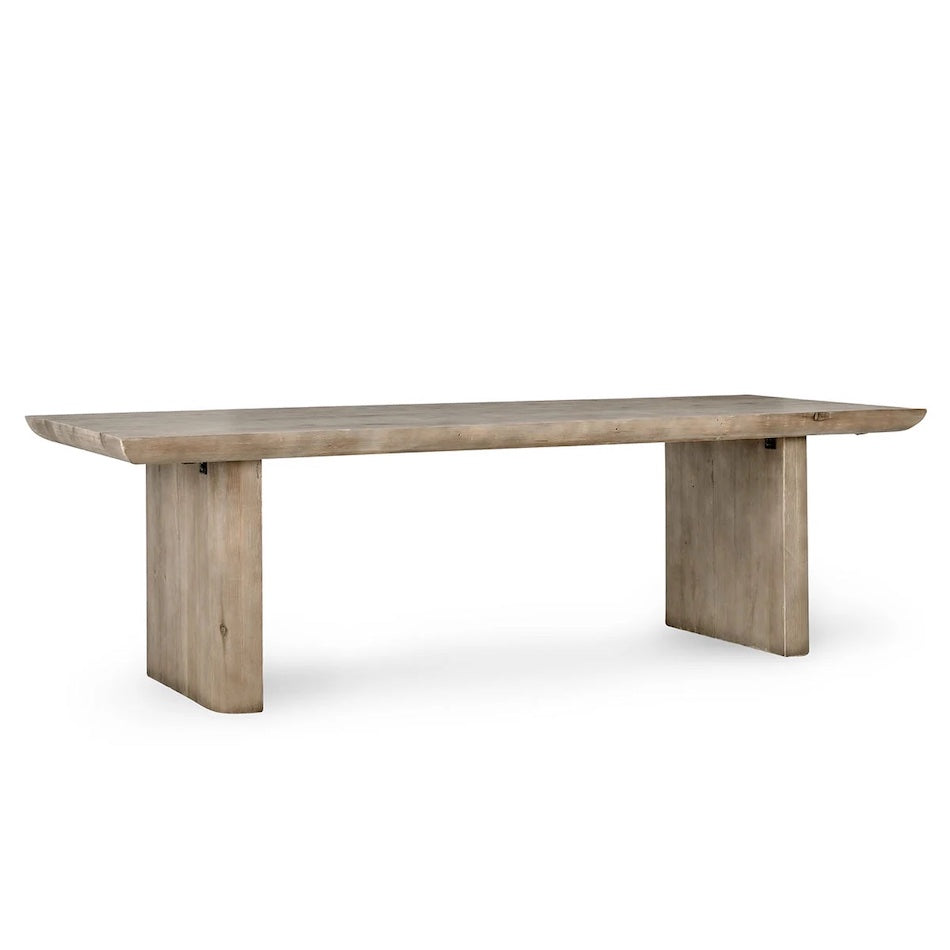
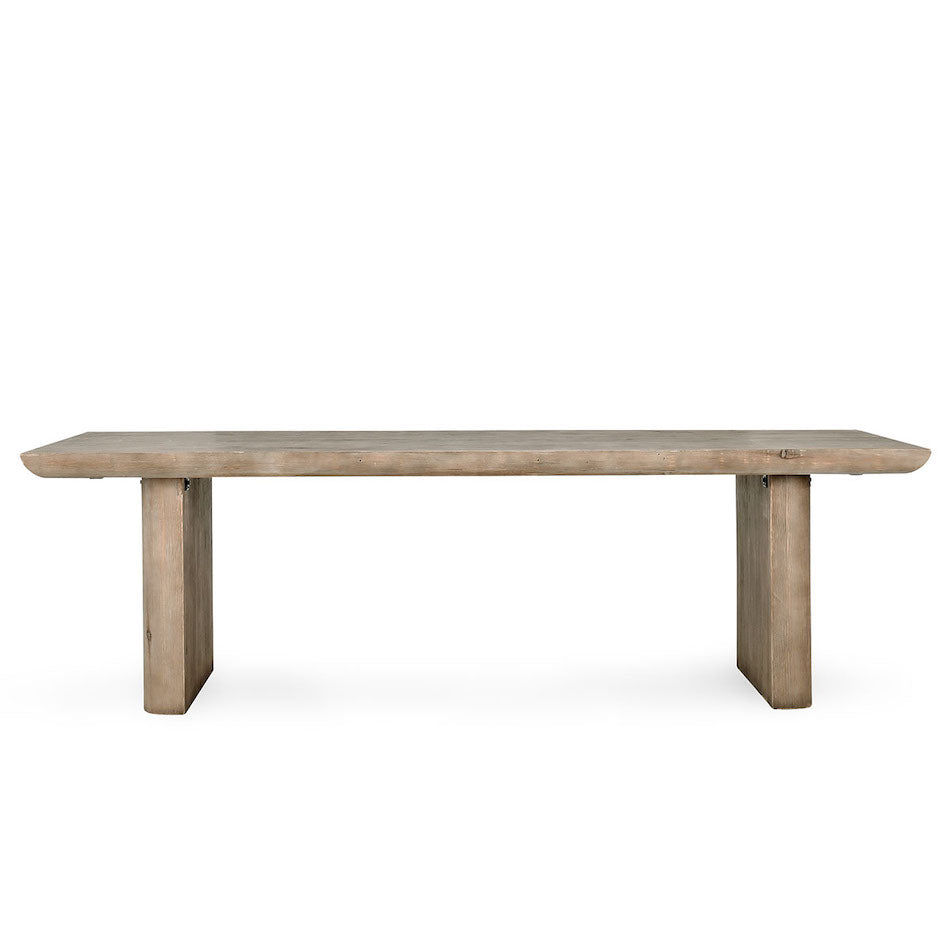
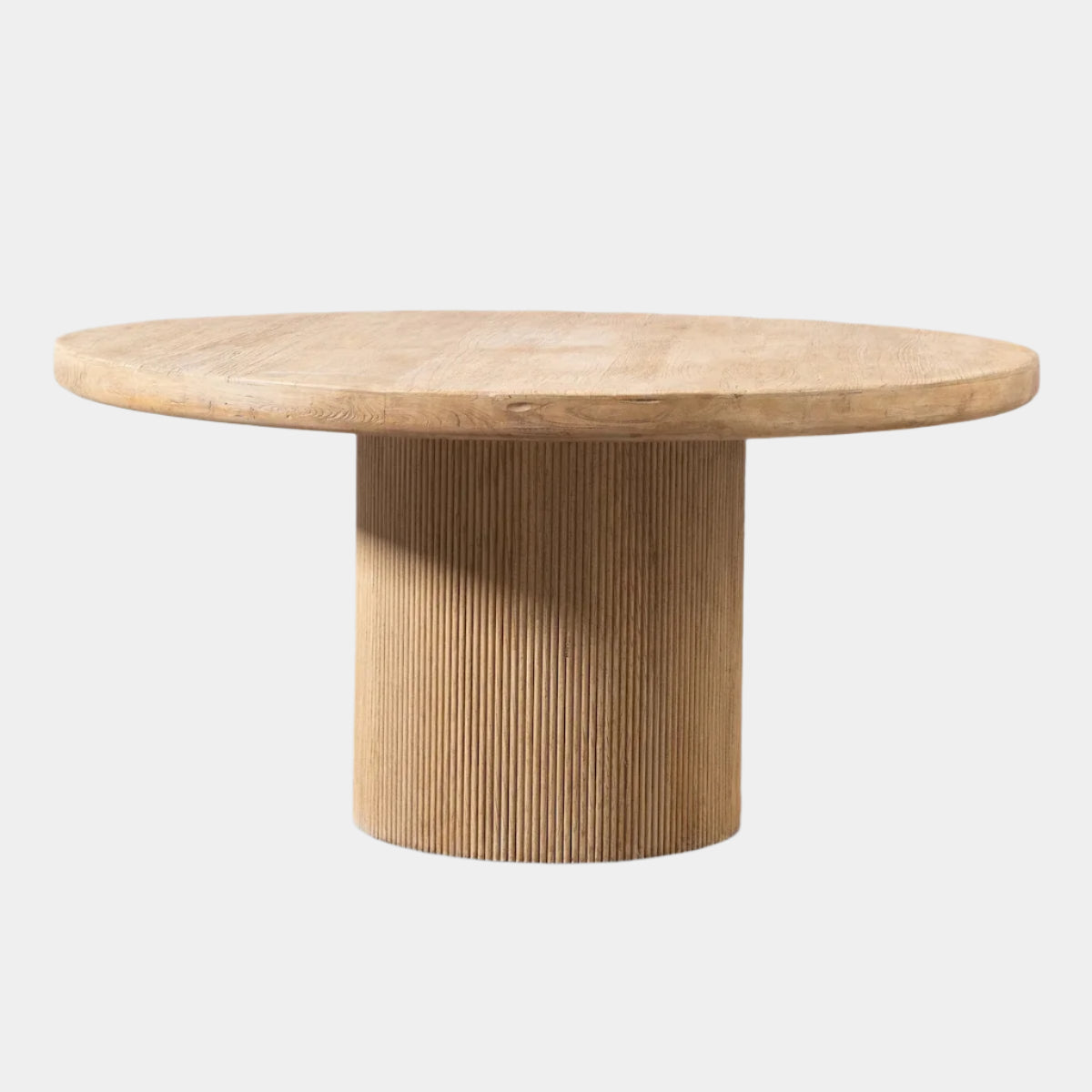
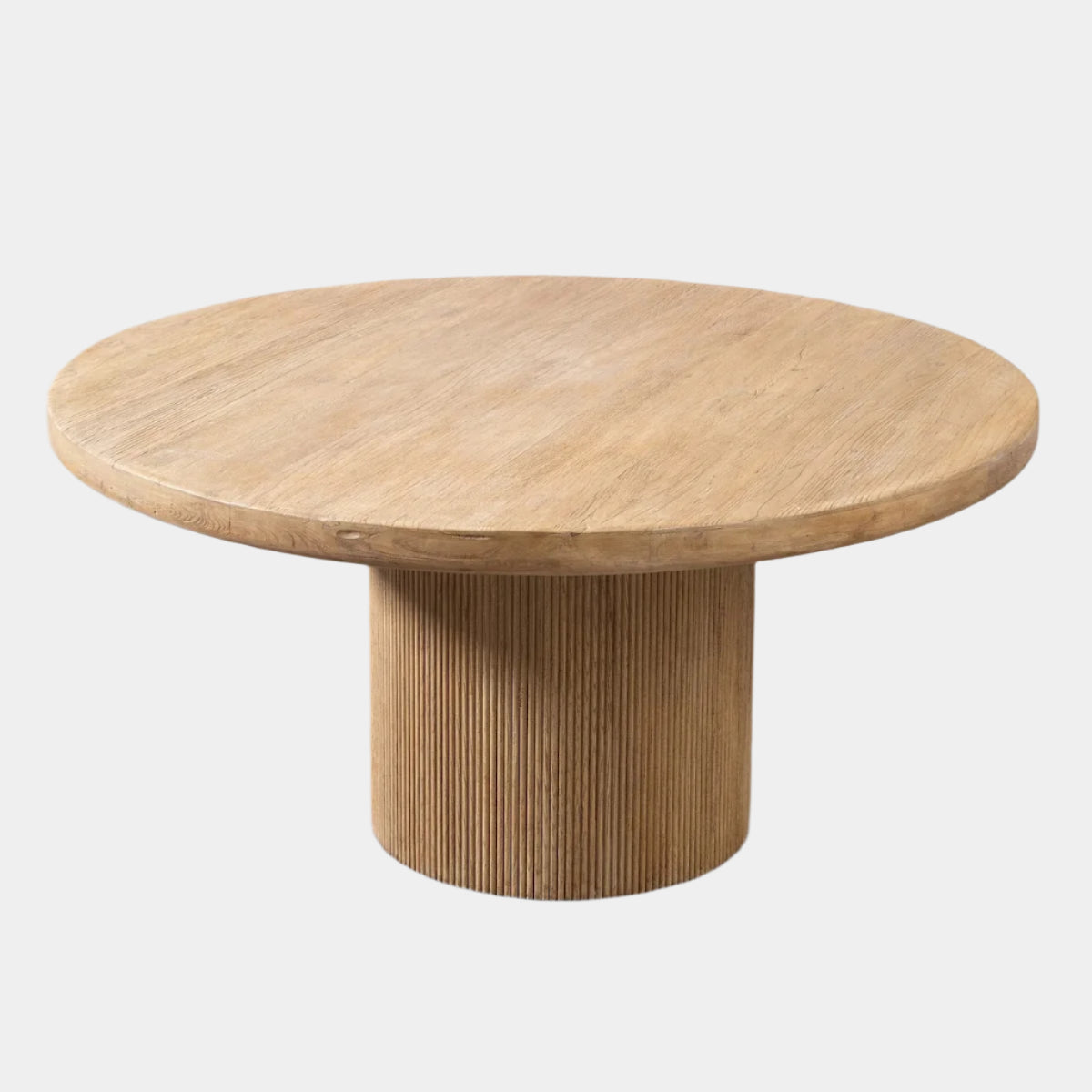
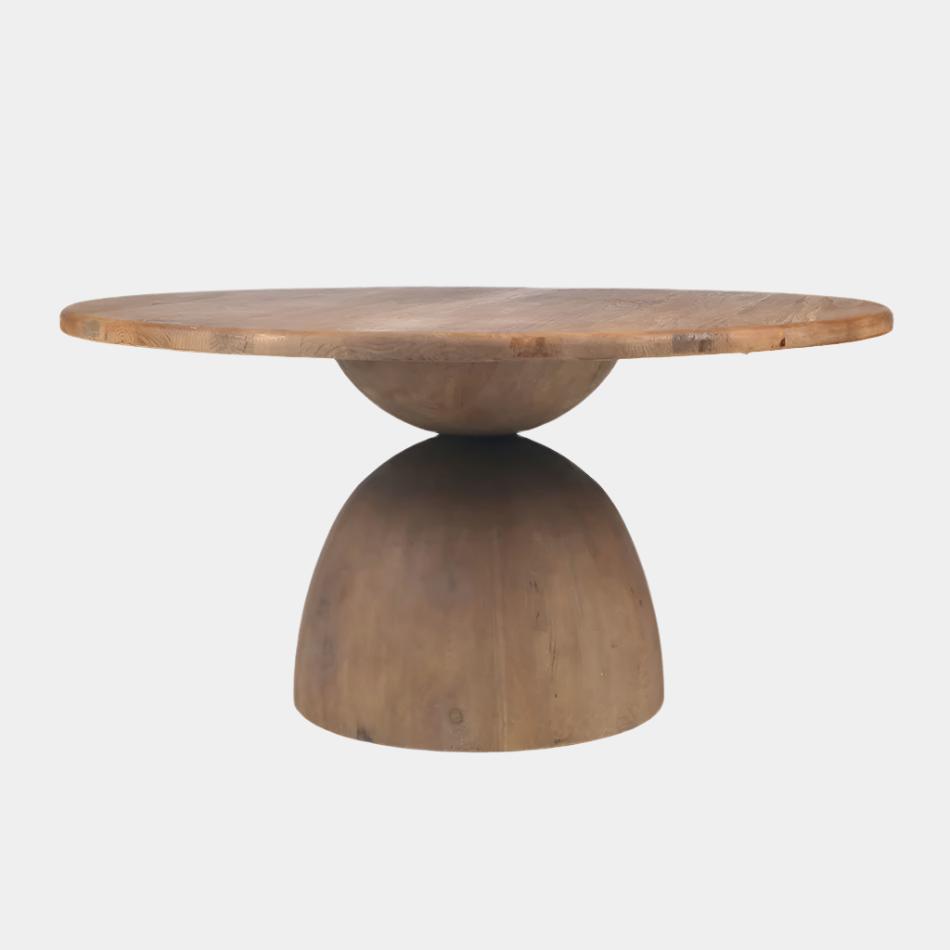
Our tables are made from solid elm and reclaimed pine. The elm pieces have a bold, open grain and a soft, natural tone. The reclaimed pine carries the history of its first life, with color variation and marks of age that make every top one of a kind.
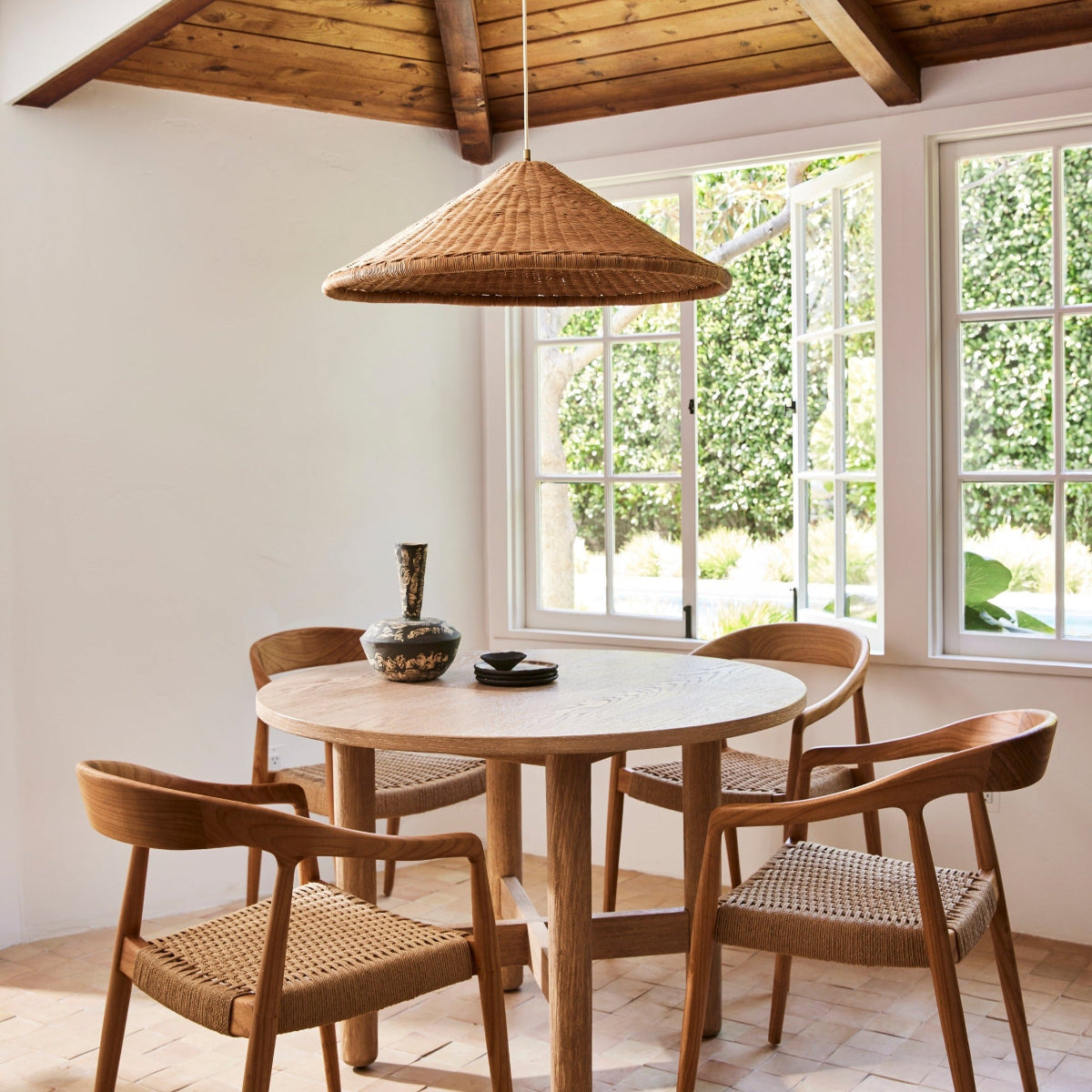
Pick a round elm table for a smaller dining room or kitchen, or a long plank table for hosting a full house.
FAQ
What makes a dining table wabi sabi?
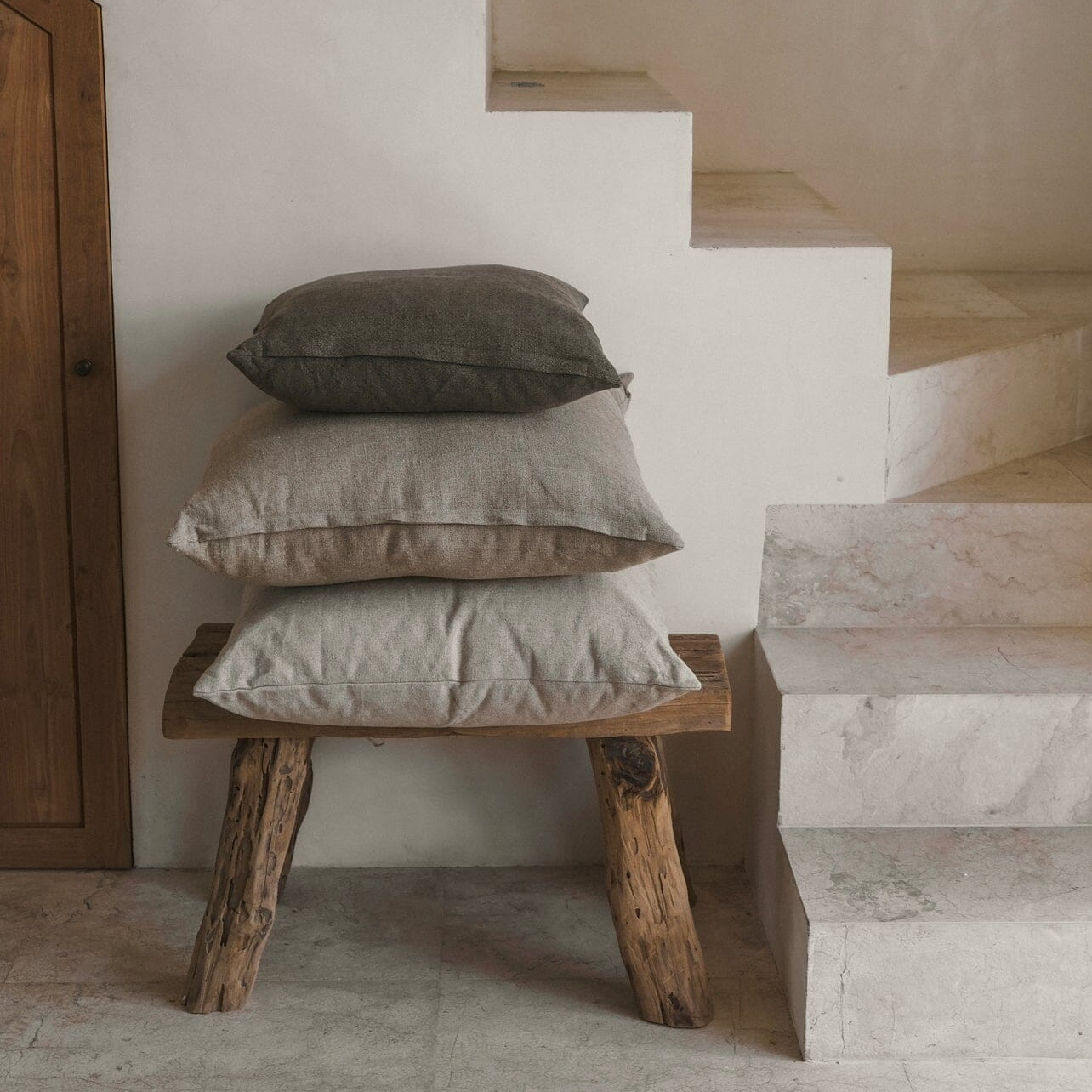
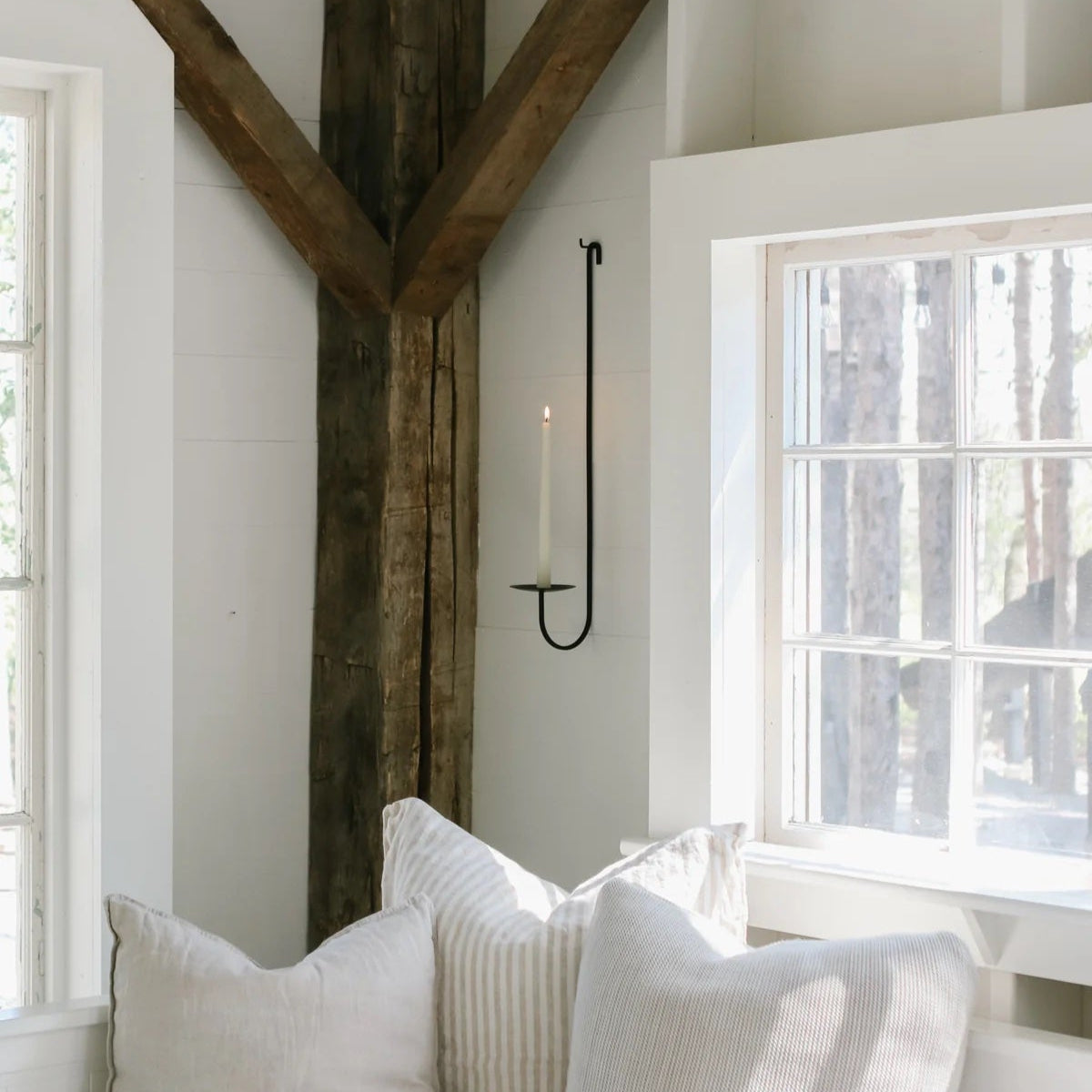
Wabi sabi is the Japanese idea of finding beauty in things that are imperfect, natural and changed by time. A wabi sabi dining table leaves the wood honest. Knots, open grain, small cracks and variations in color stay visible instead of being sanded or stained away. The form is simple and a little rough at the edges, and the table looks best next to other natural materials like linen, stoneware, plaster and woven seats.
What's the difference between a wabi sabi and a Japandi dining table?
Both styles are calm, natural and pared back. Japandi mixes Japanese restraint with Scandinavian order, so it tends to feel more refined and even. Wabi sabi is rawer and more rustic. It leans into reclaimed wood, weathered surfaces and earthy tones, and it welcomes visible wear. Many of our elm tables sit comfortably in both styles, while our reclaimed pine tables lean more toward wabi sabi.
Will a reclaimed wood dining table have cracks or uneven spots?
Yes, and that is part of what you are buying. Reclaimed wood often shows seasonal splits, filled knots, hand-made repairs and slight differences between planks. Solid wood also moves with the seasons, so small splits can open a little in dry months and close again when the air is more humid. These marks are cosmetic and don't affect the strength of the table.
What size wabi sabi dining table do I need?
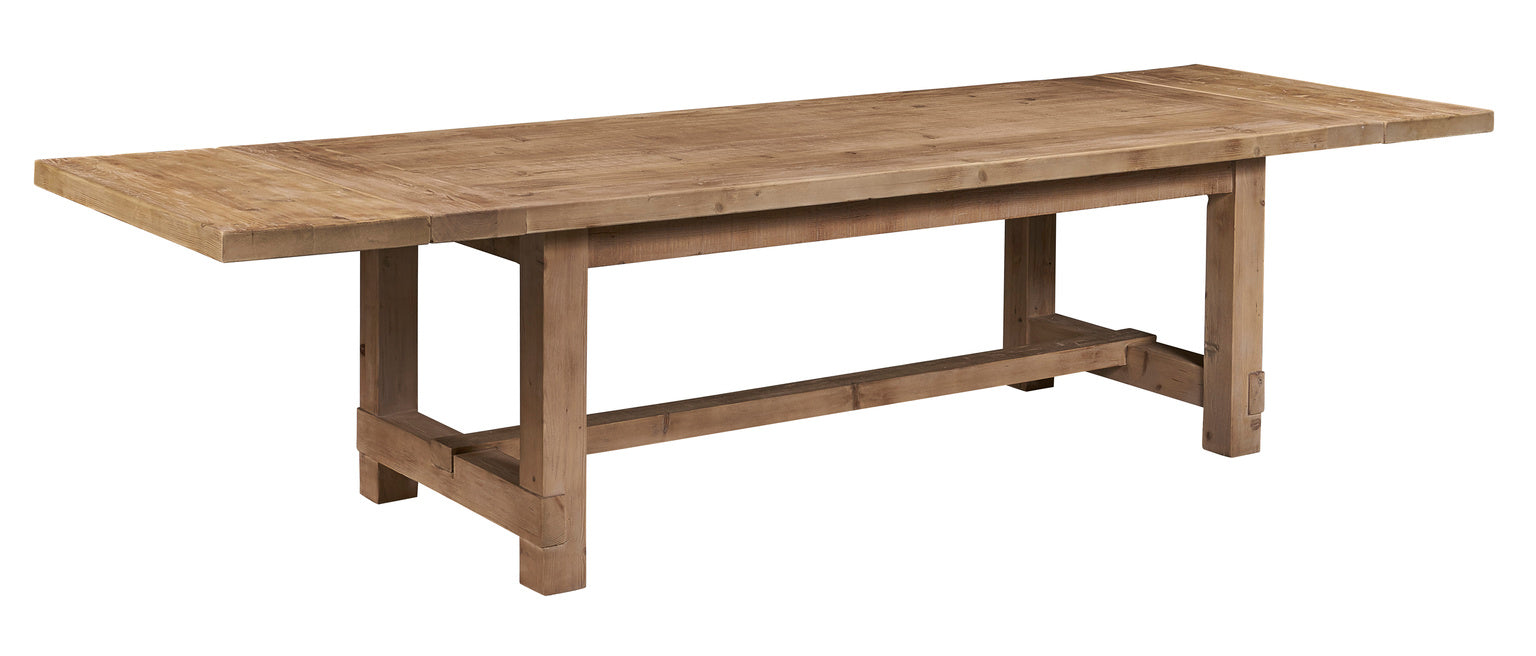
Plan on about 24 inches of table edge per person. A 48 inch round seats 4 and suits kitchens and small dining rooms. A 60 inch round seats 4 to 6 and keeps everyone in one conversation. A 60 inch square seats up to 8. For long tables, 87 to 110 inches seats 6 to 10, and our extension table opens from 96 to 126 inches when you need room for more guests. Leave at least 36 inches between the table and the nearest wall so chairs can pull out easily.
What chairs and decor go with a wabi sabi dining table?
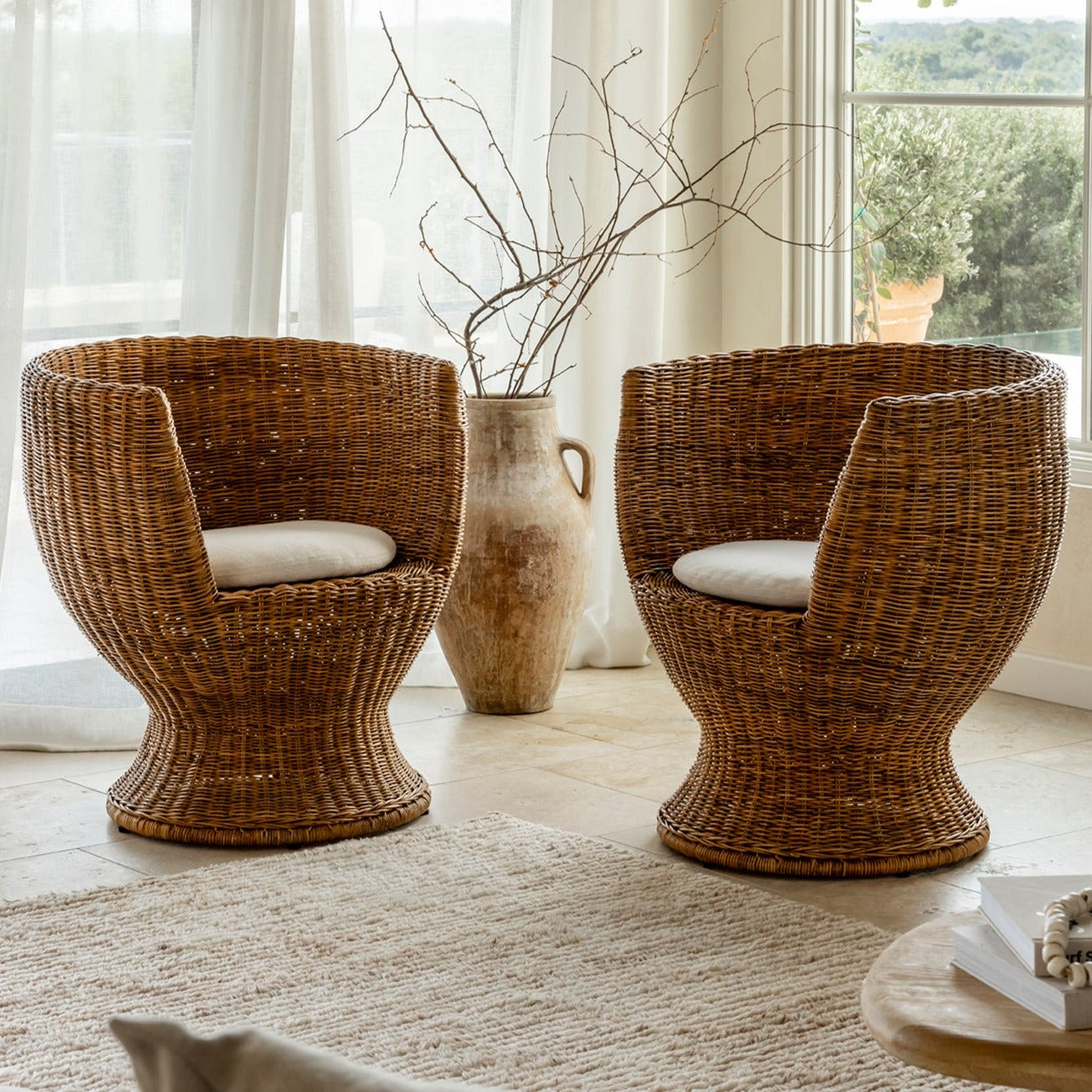
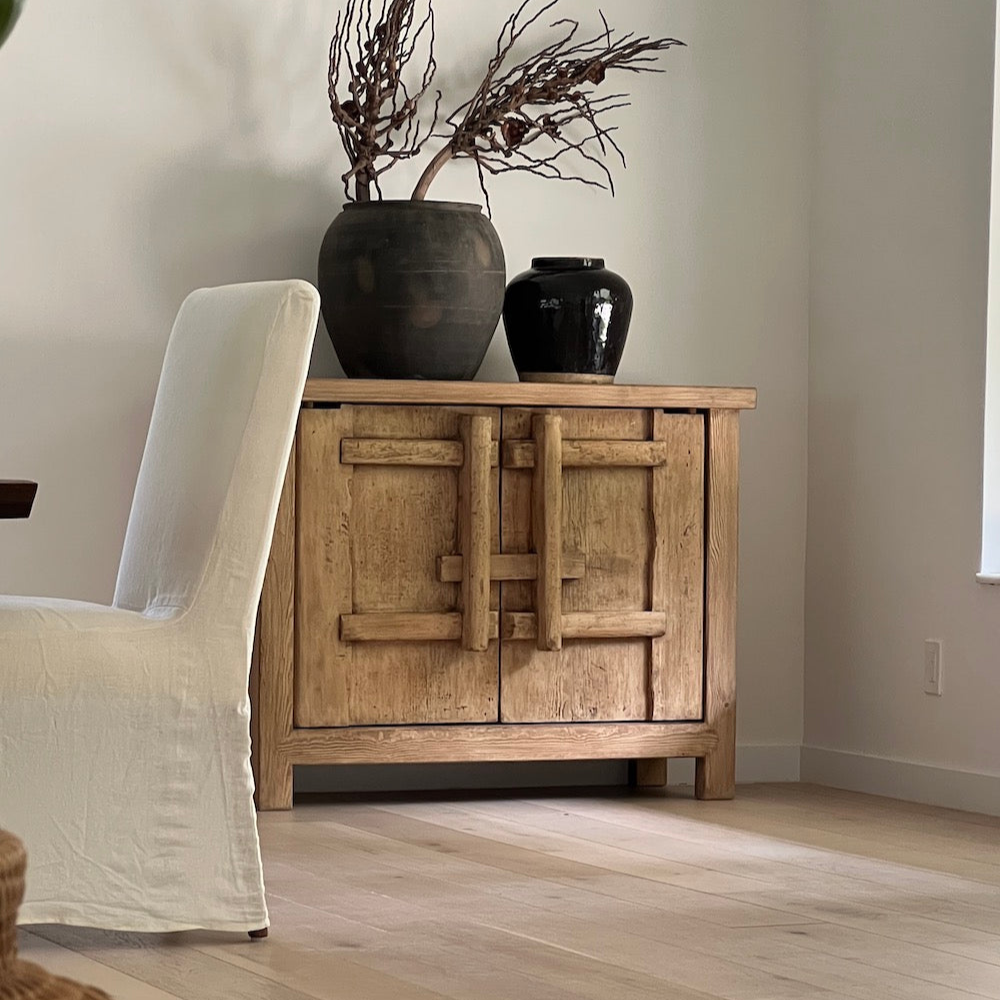
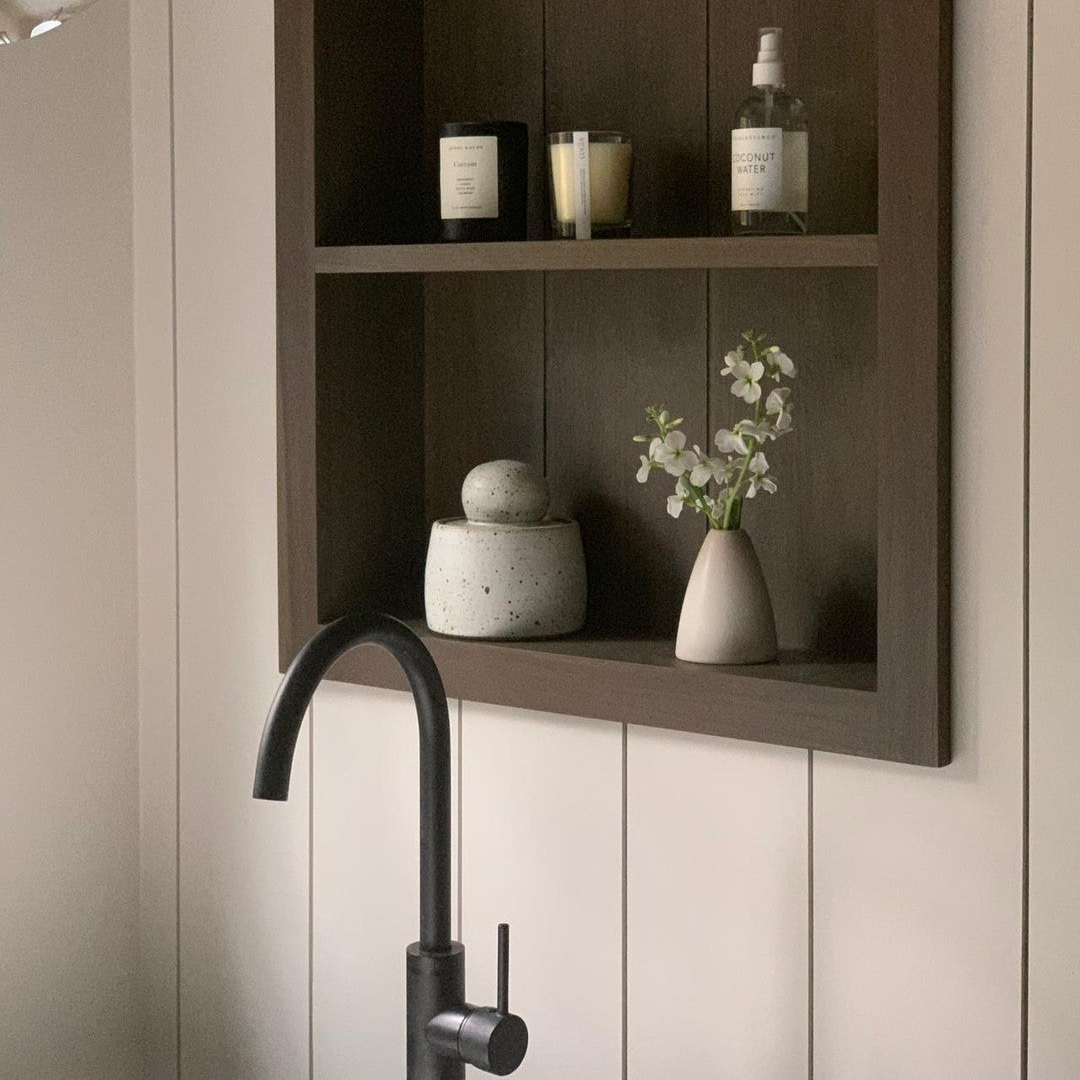
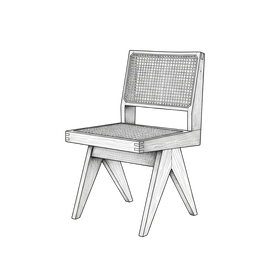
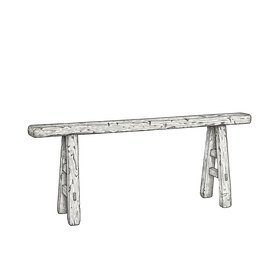
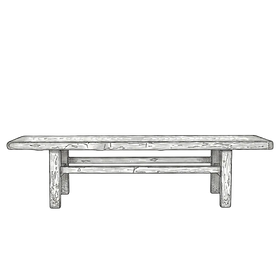
Look for chairs with natural texture, like woven seagrass, rush or cane seats, simple wood frames or linen slipcovers. A bench on one side keeps the look relaxed, and chairs don't need to match perfectly. On the table, keep it simple with handmade ceramics, a linen runner and a single branch or a few stems in a stoneware vase. Skip anything too glossy or polished so the wood stays the focus.